Africa must address the strategic impact of drones on future wars to preserve peace:
The rapid emergence of drones or unmanned aerial vehicles (UAVs), is poised to dramatically alter the nature of warfare across Africa. Their use raises critical legal, accountability, psychological and ethical concerns.
Existing rules of war—including International Humanitarian Law, International Human Rights Law and the law governing interstate conflict, jus ad bellum —are primarily regulated by the UN Charter.
The widespread deployment of drones in Africa will complicate future conflicts, encourage stalemates and amplify the disruptive power of both state and nonstate actors. Drones could lead to increased casualties, property destruction and mass displacement. These changes carry significant consequences for defense strategies, collective security and the prospects for lasting peace. Africa cannot maintain peace without a unified approach and respect for international law to regulate drone warfare.
Types of conflict on the continent:
Africa has witnessed—and in some areas continues to witness—three main forms of traditional warfare.
First, internecine conflicts involve factions within a country, often split along tribal or political lines, fighting each other. These internal struggles stem from deep grievances or contests for power.
Second, government forces engage nonstate actors like insurgents, militias or terrorist groups.
Third, interstate wars, usually triggered by border disagreements or competition for resources, remain a threat even if less frequent. Beyond these, cyber security challenges are also increasingly relevant.
In all these conflicts, access to drones—their numbers and the technical skills needed to deploy them—will increasingly determine military outcomes. Drones expand lethal capabilities far beyond conventional air power or long-range missiles. Their affordable cost puts them within reach of state and nonstate actors alike, potentially shifting the balance of power in unpredictable ways. As lethal weapons, drone use in war must comply with international laws.
Yet, modern technologies challenge established legal frameworks. Artificial Intelligence and the Internet of Things (IoT) are prime examples, and drones are close behind. Africa needs consensus on how the laws of war apply to these new tools to avoid legal, accountability, ethical, and psychological dilemmas. Robust controls and enforcement mechanisms are essential. Drones may undermine state sovereignty and the monopoly on legitimate force, particularly if acquired by nonstate or internal actors.
Drones could also intensify the destruction in wars—the ongoing conflict between the Rapid Support Forces and the Sudanese government is a case in point. Their range, precision and lethality enable remote warfare, causing devastation at minimal cost to the attacker but severe harm to victims. This shift increases two asymmetries: the capacity to inflict violence and a tendency toward indiscriminate suffering. Drones pose new challenges for the right to life and related legal principles. Even with existing laws, Africa must develop new consensus to address these technological advances.
Unwinnable wars and stalemates
The spread of drones may make conflicts unwinnable, preventing any side from achieving decisive victory. Combatants can inflict destruction without capturing territory, leading to prolonged stalemates. In interstate wars, drones may deter escalation; in internal conflicts, they could prolong violence, devastation and civilian suffering. Drones may empower groups focused on damaging state assets and populations to pressure governments. Wars are exceptions in international law, meant to be time-limited and proportional. Remotely delivered force, if not strictly controlled, risks making war a regular occurrence.
Regulating drones in warfare
With drone technology serving multiple purposes, urgent and strict international regulation is needed. The international community should treat drone commerce with the same caution as other military hardware. Their use must respect the laws of war. Africa requires a regional regulatory framework to align international and national laws, and to advance continental efforts like the “Silencing the Guns” agenda. Drones are a disruptive new class of weapon that demands coordinated regulation. Warfare and drone use must be a last resort, handled in a regulated and consensual manner across the continent.
Regional initiatives should also pool resources for counter-drone defenses, especially to guard against threats from nonstate actors. Within national borders, strict licensing and oversight of drone acquisition and use are necessary. The rise of UAVs will reshape military organisations, requiring a shift towards technologically skilled personnel and away from large standing armies. This highlights the essential connection between education, technology development and national security.
Deterrence and equalisation
Drones can enhance deterrence for African nations, offering strategic options previously unavailable. The traditional dependence on large armies may shift toward technology-driven deterrence, potentially supporting peace at national and continental levels. Drones can help balance military power at a lower cost, possibly reducing incentives for conflict.
However, investments in advanced defense technologies like drones often divert resources from urgent socio-economic needs. The move to remote, non-presential warfare could further disconnect society from the harsh realities of conflict, weakening the drive for peace and reconciliation. Ultimately, the proliferation of drones may render most wars unwinnable, as all sides gain the ability to inflict destruction from afar, eroding traditional military advantages and fostering prolonged, inconclusive conflicts.
Conclusion:
Drones are likely to be at the centre of Africa’s future wars, which may increasingly be drawn-out and unwinnable. While drones offer strategic benefits—especially for defense—they require a reorganisation and retraining of military forces. African countries and regional bodies must urgently develop binding guidelines and robust regulatory frameworks to prevent conflict, silence weapons and promote peaceful coexistence. Managed wisely, drone technology could usher in an era of relative peace; if mishandled, it could fuel greater violence and instability.
Current conflicts in Sudan, Mali and the Democratic Republic of Congo show how drones can disrupt the battlefield—both leveling it and giving nonstate actors disproportionate advantages. African nations must urgently confront these challenges and develop thorough restrictions on drone use to reduce the risks and impacts of both internal and interstate wars. Africa must seize every opportunity to secure peace and stability for its people. New and emerging technologies should serve peace, not conflict.
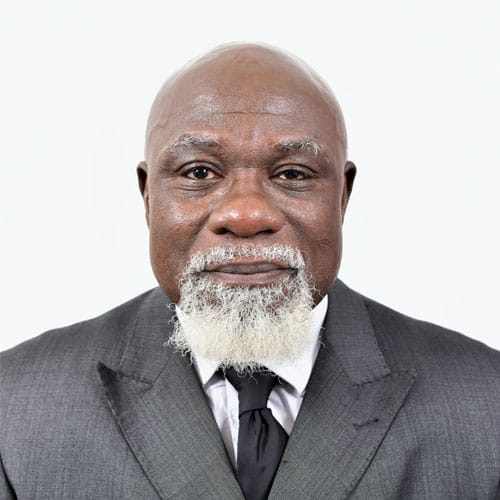
Anthony Ohemeng-Boamah is a staff member of the UN Development Programme. He is an expert on helping countries overcome development challenges.
Malema calls for calm as sentencing looms:
Economic Freedom Fighters (EFF) leader Julius Malema has called on party supporters not to engage in violence as they await his sentencing.
His statement comes after some vowed that “all hell will break loose” if Malema was given a custodial sentence on Thursday in the firearm case against him.
On Tuesday, party supporters held a night vigil at Jan Smuts Stadium in KuGompo, where they gathered to sing revolutionary songs in support of their president, who appeared in the magistrates’ court on Wednesday for pre-sentencing proceedings.
Last year, Malema was found guilty of contravening the Firearms Control Act. He had fired a gun at his party’s fifth anniversary celebration rally in 2018.
Walking into court, Malema appeared relaxed and told the Mail & Guardian that he would go home after the sentencing.
Making his submissions in court on Wednesday, his lawyer, advocate Thembeka Nqukaitobi, requested that Malema be given a non-custodial sentence.
On Wednesday morning, EFF supporters marched from Jan Smuts Stadium to the court, where they gathered outside and continued singing revolutionary songs.
Outside court, supporters followed proceedings on big screens provided by the party.
The police barricaded the court precinct with fences and maintained a heavy presence.
The courtroom was packed with family members; notably Malema’s wife, Mantwa, and his son, Ratanang.
At 12.30pm, the magistrate, Twanet Olivier, postponed the matter until Thursday, much to the dissatisfaction of Malema’s family members and the party leadership.
After proceedings, EFF supporters and leaders sang Makuliwe, loosely translated to “let’s fight”.
As Malema walked out of court, loud cheers were heard from supporters, with some saying “sicela imisebenzi” (“we are asking for jobs”).
One of the EFF supporters, Vusi, who did not want to divulge his surname, had driven from Gauteng for the proceedings. He said he believed all hell would break loose should their leader be sent to prison.
Vusi said several townships across East London had been protesting in support of their leader. “You can see from the police presence that they are anticipating chaos. They blocked all the roads to town because if he is sent to jail, people will loot,” he said.
“The people who are here are the youth and they will not behave like us who are older if the case doesn’t go the way they want.”
Another EFF member, Mike, said the general feeling among those gathered outside court was that Malema was being targeted for his views on land redistribution. Mike said they would support Malema no matter the cost, adding that they would not allow him to be sent to prison.
“You will see a war should that happen; people will burn things,” he said.
Speaking to supporters after the court adjourned, Malema warned EFF members against being ill-disciplined, saying that the leadership would give direction on what should happen next.
He said EFF members would camp outside the court until the judgment was delivered. He said some party members were protesting at high courts around the country and they too would remain there until the judgment was delivered.
“They are protesting against this persecution brought by AfriForum. You must never forget that we are here because of AfriForum, which wants to silence the voice of black people,” he said.
“I fought them when I was still young. I am too old to be shaken by young Afrikaner boys whose parents I defeated.”
Internationally acclaimed, six-time Grammy Award-nominated singer, songwriter, and multi-platinum selling R&B superstar Tamia is set to grace South African stages this August as she headlines The Biggest Women’s Month Celebration Tour Experience.
The much-anticipated tour will take place across three major cities:
- 6 August 2026 – Grand Arena, GrandWest, Cape Town
- 7 August 2026 – Durban ICC, KwaZulu-Natal
- 10 August 2026 – SunBet Arena, Time Square, Pretoria
Celebrated globally for her soulful voice and timeless catalogue, Tamia has captivated audiences with chart-topping hits including “So Into You,” “Stranger in My House,” “Spend My Life With You,” “You Put a Move on My Heart,” “Still,” “Officially Missing You,” “Who Do You Tell?,” “This Time It’s Love,” “Careless Whisper,” and “Rain on Me,” among many
others.
This tour promises to be a premium live music experience, celebrating women, music, and culture during Women’s Month. Fans can expect an unforgettable evening of world-class entertainment, nostalgia, and powerful vocal performances from one of R&B’s most beloved voices.
Speaking about her upcoming tour, Tamia said: “South Africa has always shown me so much love, and I’m incredibly excited to return this August. Performing during Women’s Month makes it even more special — I can’t wait to share these moments with my fans and celebrate the power of music together.”
Tickets are available exclusively via Webtickets and at Pick n Pay outlets nationwide. Music lovers are encouraged to secure their tickets early to avoid disappointment, as shows are expected to sell out.
Be part of this spectacular concert tour experience and celebrate Women’s Month in style with Tamia live in South Africa.
Submit and get free exposure here: Showcase Your Business | Advertise Your Special Offers.