South African wildlife enthusiasts have long enjoyed front-row access to the wonders of nature. With rich biodiversity and awe-inspiring landscapes, it’s no surprise that the region is often considered one of the best places on Earth to witness wildlife. But now, a bold new documentary series is turning viewers’ attention eastward. Asia, produced by acclaimed wildlife filmmaker Matthew Wright, is a cinematic journey across one of the most diverse and ecologically rich continents in the world. As the series concludes, the final episode — The Making of ASIA — airs Monday, 14 April at 20:00 on BBC Earth (DStv Channel 184), offering a behind-the-scenes look at the extraordinary challenges, discoveries, and dedication that brought the series to life.
“Asia and Africa are the twin giants of the natural world,” says Wright. “They’re both colossal continents packed with ecosystems that are vastly different from one another, yet equally compelling.” While South African viewers are familiar with the Big Five and the unique creatures that inhabit their homeland, Asia unveils a treasure trove of wildlife stories — many unfamiliar, yet just as thrilling.
One of the most fascinating aspects of the series lies in the comparisons it draws between species that exist across both continents. “Tigers behave very differently from lions, Indian elephants face challenges distinct from those of African elephants, and the rhino species in Asia lead lives that contrast starkly with their African relatives,” Wright explains. These subtle distinctions offer a fresh lens on how geography, climate, and human interaction shape animal behavior.
A core theme throughout the series is how animals are adapting to an increasingly urbanized and human-occupied world. It’s a theme that resonates with South Africans, who regularly see wildlife encroaching on urban environments — like baboons navigating Cape Town’s suburbs or leopards moving through parts of the Drakensberg.
One remarkable story in the series showcases a tigress raising four cubs on the edge of Bhopal, a bustling Indian city. “What was truly astonishing was her ability to avoid humans not by location, but by time,” says Wright. “She would move through parkland or along roads just minutes after people had passed through. It’s a sophisticated strategy — and one she’s likely teaching her cubs.”
In southern India, elephants have adapted their movements around vast tea plantations — creating another example of how wildlife and humans coexist in unexpected ways. “They don’t actually eat the tea leaves — they’re too bitter — but they graze on the weeds growing between the bushes,” Wright says. “It’s like watching massive gardeners move carefully through someone’s backyard.” To aid this delicate balance, local scientists are developing early-warning systems to prevent human-elephant conflict and ensure both species can thrive.
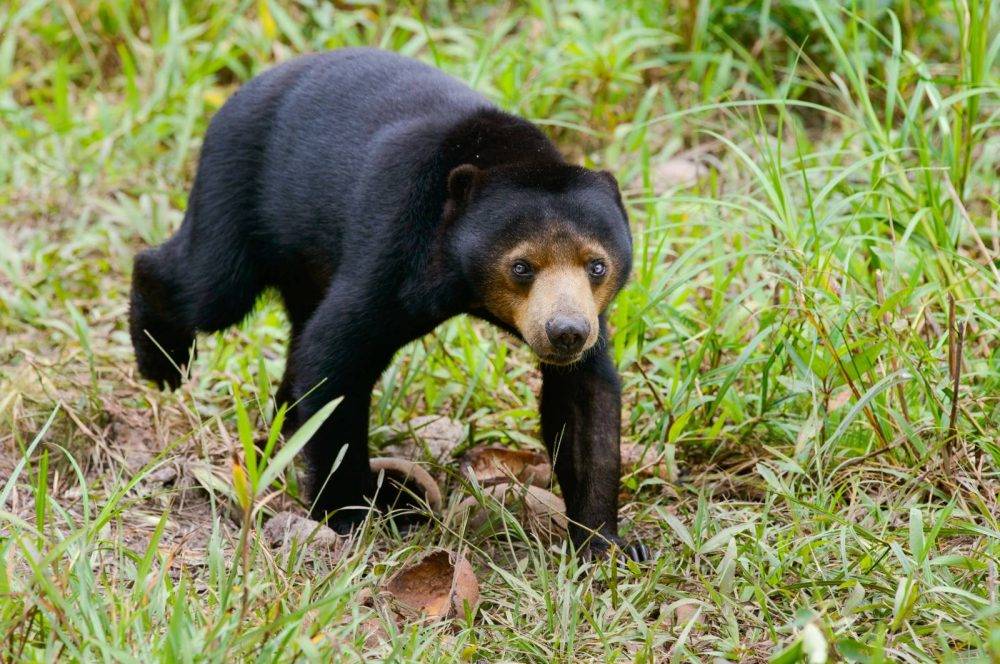
Among the series’ greatest challenges was filming the critically endangered Gobi bear. With fewer than 40 individuals remaining in the wild, spread across the immense Gobi Desert in Mongolia, documenting these animals seemed nearly impossible. “We worked with Mongolian scientists and park authorities, setting up remote cameras over a span of 18 months,” Wright says. “What we captured was the most comprehensive footage of the species ever filmed — including a cub, which was the first seen in several years.”
Conservation is a recurring thread, with many of the stories underscoring how habitat loss, climate change, and population growth continue to threaten wildlife across the continent. “We can’t just protect species — we need to protect the spaces they need to survive,” Wright warns. He draws comparisons with Europe, where many animals have vanished due to the destruction of wild spaces, and emphasizes the importance of proactive conservation before it’s too late.
Wright also highlights the spirit of collaboration that made the series possible. Throughout production, his team worked closely with local scientists, rangers, and conservationists — people who dedicate their lives to protecting Asia’s natural heritage. “There’s a deep and growing appreciation for wildlife among the public in many parts of Asia,” he says. “It’s incredibly inspiring.”
Technology also played a starring role in the making of Asia. “Drone technology has revolutionised how we film,” Wright explains. “We used lightweight, ultra-quiet drones with extended battery life and powerful zoom lenses. That meant we could film elusive animals without disturbing them — and capture authentic, natural behaviour from the sky.” In Nepal, drones recorded stunning sequences of wild tigers mating, bathing, and hunting — footage that would have been nearly impossible to capture with traditional techniques.
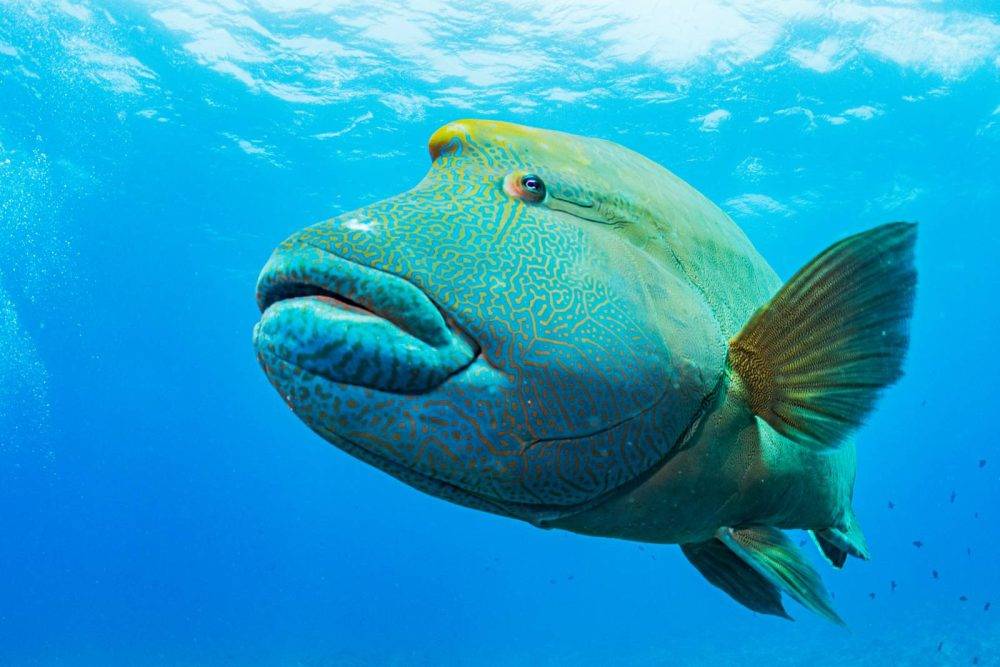
For underwater scenes, the team developed custom camera rigs mounted on high-speed boats, allowing them to film fast-paced marine action. “One of the most dramatic moments was a school of Moorish idol reef fish spawning, only to be pursued by a group of sharks — it was like watching a perfectly choreographed action scene unfold in real life,” says Wright.
Though South Africans may feel they’ve already witnessed the pinnacle of the natural world, Asia offers a fresh, powerful reminder that there is always more to explore. “Living in Africa, you might think you’ve seen the best nature has to offer — but Asia will surprise you,” Wright promises. “It’s full of creatures, environments, and behaviours you’ve likely never seen before.”
For South African viewers, the series offers something even more valuable — a renewed sense of wonder. “If you want to know what it feels like for someone seeing Africa’s wildlife for the first time,” Wright concludes, “watch Asia. You’ll be amazed.”
Catch the final episode of Asia on BBC Earth (DStv Channel 184), or binge the entire series on DStv Catch Up. A must-watch for wildlife lovers, explorers, and fans of exceptional storytelling.
Red tape and capital flight: Bureaucracy undermines SA’s economic future:
South Africa’s economy remains stagnant, inequality remains high and unemployment continues to devastate communities.
While many factors contribute to this crisis, one of the most overlooked is the suffocating weight of bureaucracy. Excessive red tape is not only holding back entrepreneurs but also driving away capital, often capital that belongs to ordinary South Africans, and exacerbating inequality.
For aspiring entrepreneurs, particularly those from historically disadvantaged communities, compliance costs are not merely technical but existential.
Starting a formal business in South Africa is arduous, time-consuming, and expensive. According to the World Bank’s Doing Business 2020 report, South Africa ranked 84th globally for ease of starting a business. From registering with multiple government agencies to navigating tax and municipal systems, the average entrepreneur faces weeks, if not months, of paperwork before opening their doors.
These burdens disproportionately affect small businesses and informal traders, many of whom operate without legal assistance or start-up capital. With every additional form, approval and compliance certificate required, the cost of participation in the formal economy increases and the incentive to remain informal or to give up entirely grows.
The result of this bureaucratic environment is not just the suppression of domestic business but the systematic erosion of national capital. Faced with regulatory uncertainty and administrative inefficiencies, investors increasingly move their funds offshore, seeking better returns in more business-friendly environments.
Between 2018 and 2023, the portion of South African government bonds held by non-resident investors declined from 42.8% to 25.4%, according to the South African Reserve Bank. During the same period, foreign investors sold off nearly R100 billion worth of South African equities and bonds (Daily Investor, 2023).
This capital exodus is not merely a response to global economic shifts but reflects deep-seated concerns about South Africa’s regulatory and policy environment. The resultant reduction in investment undermines economic growth and limits the resources available for addressing social and infrastructural challenges.
A significant proportion of the capital leaving South Africa belongs to ordinary South Africans — teachers, nurses, police officers and millions of working-class people who contribute to large asset managers’ pension funds. These funds, tasked with securing stable, long-term returns, often look abroad for profitability and predictability.
Instead of building clinics, funding infrastructure or supporting new enterprises at home, South Africans’ own money is enriching stock markets in developed economies, lining the pockets of foreign investors and flowing into already-wealthy white-owned firms that are better equipped to navigate South Africa’s regulatory maze.
This flight of capital deepens the very inequalities that post-apartheid South Africa sought to dismantle. Established businesses, often those with the infrastructure, networks and administrative capacity to comply with complex regulations, continue to attract investment and scale their operations. Emerging black-owned businesses, meanwhile, are shut out by a wall of red tape.
The interplay between bureaucratic hurdles and capital flight creates a self-reinforcing cycle of economic inequality where established firms, often with the historical advantages and resources to navigate complex regulations, continue to attract investment and dominate markets. In contrast, emerging entrepreneurs, particularly from marginalised communities, struggle to comply with regulatory demands, limiting their growth and access to capital.?
This dynamic perpetuates a concentration of economic power and wealth, undermining efforts to foster inclusive growth and broad-based economic participation. Without targeted interventions to streamline regulatory processes and support emerging businesses, these disparities are likely to persist.
Though designed to ensure order and compliance, the regulatory regime ends up being an exclusion engine, where opportunity is a luxury, not a right. This is not a call for deregulation. It is a call for smarter regulation. The current system does not merely regulate; it obstructs. South Africa must make business easier, faster and cheaper, especially for small and medium-sized enterprises that generate employment and innovation.
Reform efforts should focus on digitising and consolidating compliance systems to avoid duplication and delays and incentivising domestic investment by making it more attractive for pension funds and asset managers to invest in local ventures with social returns. These are not radical interventions; they are common-sense economic strategies many middle-income countries use to unlock growth and build inclusive economies.
South Africa is not a poor country; it is a misallocated one. Talent, capital and creativity exist in abundance, but they are trapped behind gatekeeping systems built on compliance-heavy models that favour the few.
If we are to build an economy that truly reflects the spirit and potential of its people, we must cut through the red tape. Growth cannot thrive in an economy where bureaucracy costs more than risk and where inequality is reproduced by the very systems meant to end it. South Africa cannot afford to continue exporting its future.
When bureaucratic inefficiency drives capital away, it is not just lost investment, it is jobs, innovation and dignity. The tragedy is not just that foreign investors are leaving but that ordinary South Africans are being forced to enrich others while their own communities languish.
Reclaiming our economic destiny requires a hard look at the structures that block growth. Red tape is not a sign of order but a symptom of inertia. And unless we dismantle it with purpose, the promises of post-apartheid economic justice will remain unfulfilled.
Yonela Faba is a University of Cape Town PhD student and writer with blockchain, finance and policy analysis expertise. He has a background in academia and banking. Linkedin: Yonela Faba.
Trump’s tariffs on China will affect South Africa’s growth:
South Africa, like other countries around the world, was offered a reprieve when the US delayed the implementation of punitive tariffs by 90 days but the negative effect of Washington’s escalating trade war with China will still be felt on local shores.
On 9 April, the day a 30% tariff on South Africa was set to take effect, President Donald Trump announced a three-month pause on all reciprocal tariffs on several countries he accused of having taken advantage of the US for years but hiked those on China which he said had shown a lack of respect by retaliating while other affected nations had sought to negotiate.
China and the US are the first and second biggest single country recipients of South African exports, so the economic toll of a trade war would be felt here.
According to the South African Revenue Service, China accounted for 9.9% of South Africa’s exports in February, followed by the US at 8.6%, Germany at 6.4%, Mozambique at 4.8% and Japan at 4.4%.
Other than the indirect effects of the onslaught against its biggest trading partner, the overall slowdown in the global economy that is now a near certainty will also be felt, putting pressure on consumers, said Maarten Ackerman, the chief economist at Citadel.
“We’re taking pain from that point of view and not specifically from the tariffs that the US is imposing on South Africa … There are definitely going to be some challenges,” Ackerman said.
He noted that a 30% tariff — should Trump reinstate it after 90 days — would not necessarily mean the US would stop buying South African goods, but that they would be more expensive for them, probably leading to a drop in demand.
“At the same time, it might create opportunities for us to replace that export share trading with other countries, so the direct impact on the economy and also on the job market should, and can, be weathered in terms of looking for other trading opportunities,” Ackerman added.
Tariffs would also effectively nullify the preferential access to US markets that many sub-Saharan Africa countries have enjoyed under the Africa Growth and Opportunity Act (Agoa), as the departments of trade and international relations said in a recent joint statement.
In any case, Agoa expires in September, and its chances for renewal are slim as Trump pursues his “America first” agenda.
According to the government, the US represented 7.45% of South Africa’s total exports in 2024, while South Africa accounted for only 0.4% of US total imports.
“As such, South Africa does not constitute a threat to the US and, where there is a trade imbalance in favour of South Africa, it is mainly on agriculture products which are counter-cyclical and on minerals which are inputs in US industries,” the two departments said in their statement.
Last year, South Africa’s total mineral and precious metal exports to the US amounted to R65.3 billion, with platinum group metals accounting for 76.3% of the total, according to the Minerals Council of South Africa.
Platinum group metals, chrome, manganese and other minerals were exempted from the US import tariffs, but iron ore, diamonds, slag and precious metal jewellery would be taxed.
The minerals council said business and consumer sentiment, investment and overall growth would be dim amid the turmoil, adding that there should be a greater focus on the knock-on effects of the tariffs on other countries, especially China.
“There are a couple of important minerals for South Africa, where China is our most important customer [including iron ore and chrome]. So, indirectly, anything that the US does that has a bad impact on the Chinese economy and also our other trading partners, in theory, may dampen the demand for South African exports,” its chief economist Hugo Pienaar told the Mail & Guardian.
The US is South Africa’s second-largest component export destination, after Germany, and industry experts said the US was likely to bear the brunt of more expensive vehicles.
“The immediate impact on direct component exports to the US is most likely to be felt in the US rather than South Africa. It can take 12 to 15 months for US importers to change their supply of components,” said Renai Moothilal, chief executive of the National Association of Automotive Component and Allied Manufacturers.
“This means, for at least the short-term, the US will need to absorb the price increase, ultimately causing inflation in the US.
“It’s important to recognise that auto component trade between South Africa and the US is not one-way. The US has a trade surplus in this sector. In 2024, R16 billion of auto components were imported into South Africa from the US versus the R4.3 billion exported there.”
The tariffs would also reduce demand for South African vehicles, leading to lower production, pressure on local component suppliers and job losses across the value chain, warned Mikel Mabasa, the chief executive of the National Association of Automobile Manufacturers of South Africa.
He noted that in 2024, 25 553 vehicles — 6.5% of South Africa’s total exports — were sold to the US, up from 20 910 in 2023, but these were now at risk due to price competitiveness issues.
“The tariff announcement has created uncertainty in trade relations and may impact ongoing and future export orders to the US,” Mabasa said.
South Africa’s farmers will probably have to look for alternative markets in Africa, Asia, the EU and among fellow Brics+ members for their produce in the face of the tariffs, industry experts said.
On a broader scale, investments across the agricultural value chain — from farmers to distributors, food processors and manufacturers — will feel the strain, said Mmatlou Kalaba, a senior analyst at the Bureau for Food and Agricultural Policy.
“There are investments that were made towards canning these products, bottling the wines and the packaging … If we are unable to continue exporting to the US, we will start seeing the effect on the chain, on the employment in those areas, all the way up to the farm,” Kalaba said.
On Monday, President Cyril Ramaphosa named former deputy finance minister Mcebisi Jonas as his special envoy to Washington amid the fast evolving international trade war and generally frosty diplomatic relations between Pretoria and Trump’s administration.
Jonas’s brief will be to advance trade ties with the US, the presidency said in a statement.
Submit and get free exposure here: Showcase Your Business | Advertise Your Special Offers.