Democratic Alliance’s Cilliers Brink elected Tshwane’s mayor:
The Democratic Alliance-led coalition emerged as the victor in the City of Tshwane mayoral election on Tuesday afternoon when its candidate, Cilliers Brink, came out on top.
Brink garnered 109 of the council votes against Congress of the People candidate Ofentse Moalusi, who received 102.
In his inaugural speech as the mayor, Brink thanked councillors for the confidence in him and said nothing that had happened in the three tumultuous weeks the metro has endured would take away the honour of serving the people of Tshwane.
Brink’s first attempt at becoming Tshwane mayor was thwarted in February by the ANC and the Economic Freedom Fighters, with some of the DA’s own councillors going rogue and voting for the opposition. Then the newly-elected mayor, Murunwa Makwarela, was found to be insolvent and ineligible to be a councillor.
Makwarela was deregistered by the Electoral Commission of South Africa but later produced a rehabilitation certificate, which led to his being reinstated. An investigation into the authenticity of the certificate found that it was fraudulent and Makwarela resigned as mayor.
With the Tshwane council again left without a mayor, the DA-led coalitions terminated the membership of the councillors found to have gone rogue, clearing the path for Brink’s election.
Speaking on the matter, Brink said he hoped the council had reached a turning point and that the people of Tshwane looked to the council to resolve differences in an orderly way.
“No matter how low debate has sunk in this council, it can never be acceptable for us to threaten each other with violence. If elected representatives behave in this way, it destroys the trust that we have with ordinary people, and the trust that ordinary people have in our democracy,” he said.
“Let us break this culture now. And so I extend a hand of cooperation to all of the political parties in this council. But especially the opposition who did not vote for me.
“There might be time for battle but there’s also time for deliberation, earnest debate for empathy and for cooperation. Each of us, no matter how politically warm blooded we are, must love our city and our country more than we dislike each other.”
He said the parties in the coalition might have differences of policy or personality, but what bound the council together was stronger than what set its members apart, Brink said, adding: “In that sense we are very much like the people of South Africa. The people of South Africa and our capital city have got more in common, shared interest, shared values, than what sets us apart.”
Brink said he was certain that Tshwane councillors wanted to build a capital city that works, with clean, effective corruption-free administration, secure continuous supply of basic services and value for the rates, tariffs and charges paid by residents.
“We want to build a capital city that works for all of its people, one that improves the lives of the poor that creates opportunities for people to move up in life. We know in our heart of hearts, that this city will only be a good place for any of us to live in, if it’s a good place for all of us to live in. A city that works and goes one way no one is left behind aren’t two separate cities,” he said.
Brink said Tshwane should avoid the fate of other municipalities that have stumbled, and that the council should regain control of the city’s finances and bring spending in line with what it could collect.
“This is an important task, as responding to the findings of the auditor general and building up the financial controls that have been broken down or that have never existed. In the past three years, the city has faced a combination of factors that has had a devastating impact on our finances, and on the financial recovery that we’ve embarked upon,” he said.
He said the city had to return to the mandate of local government and serve its constitutional mandate. This included reducing dependence on Eskom.
“If we don’t make these bold changes, if all of the municipalities outside of the Western Cape don’t make these bold changes, then we won’t be able to fulfil our constitutional obligations.”
Objects of Desire: Fierce and Fabulous:
The best objects, designs and unique pieces are surreal and sophisticated and they are youthful and inspired. Fashion is fun, but you can’t really take it too seriously. For fashion to be fabulous, frivolity is integral.
Hidden gems
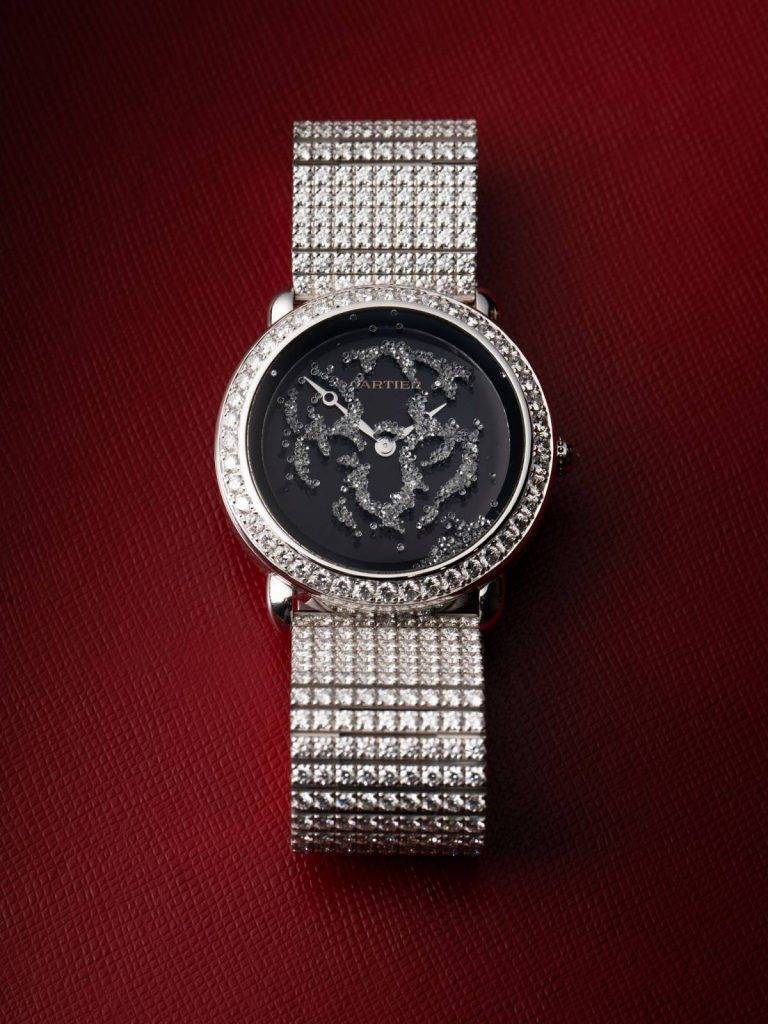
Sometimes we need to remix the originals. The Révélation d’Une Panthère by Cartier once sported an alligator leather strap and gold spheres suspended in the watch’s face, but this rendition has 650 diamonds on the face alone. A decade in the making, these diamonds form a panther on the face of the watch, which echoes the 639 diamonds in the strap and bezel. Available through Cartier.
Licence to twill
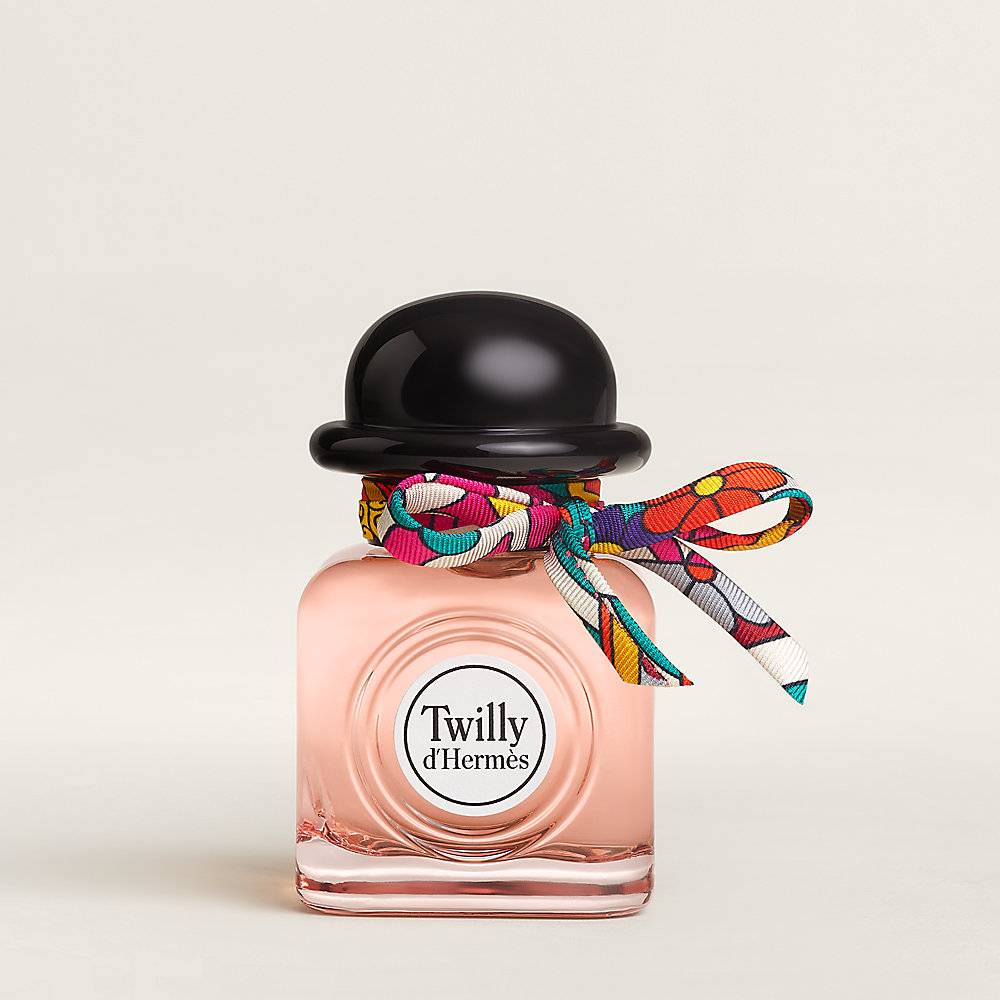
Inspired by the French maison’s iconic silk scarves, or Twilly, the soft, fragrant Twilly d’Hermés is worth the hype. It comes in ginger, tuberose and sandalwood. Each lantern-shaped bottle has a unique silk ribbon tied around the top. If you are not in a position to accessorise with an Hermés silk scarf, accessorise with scent. Available through Arc Stores.
For the love of the arts
South African artist Lulama Wolf has partnered with H&M Home for the second instalment of For the Love of Art. It features work by Wolf and US artist and poet Amber Vittoria. The collection brings Wolf’s signature motifs and muted tones, as well as her exploration of neo-expressionism and modern African art, to cushions, hand-painted dinnerware, rugs and throws. Available exclusively through H&M Home, Sandton City.

If the shoe fits
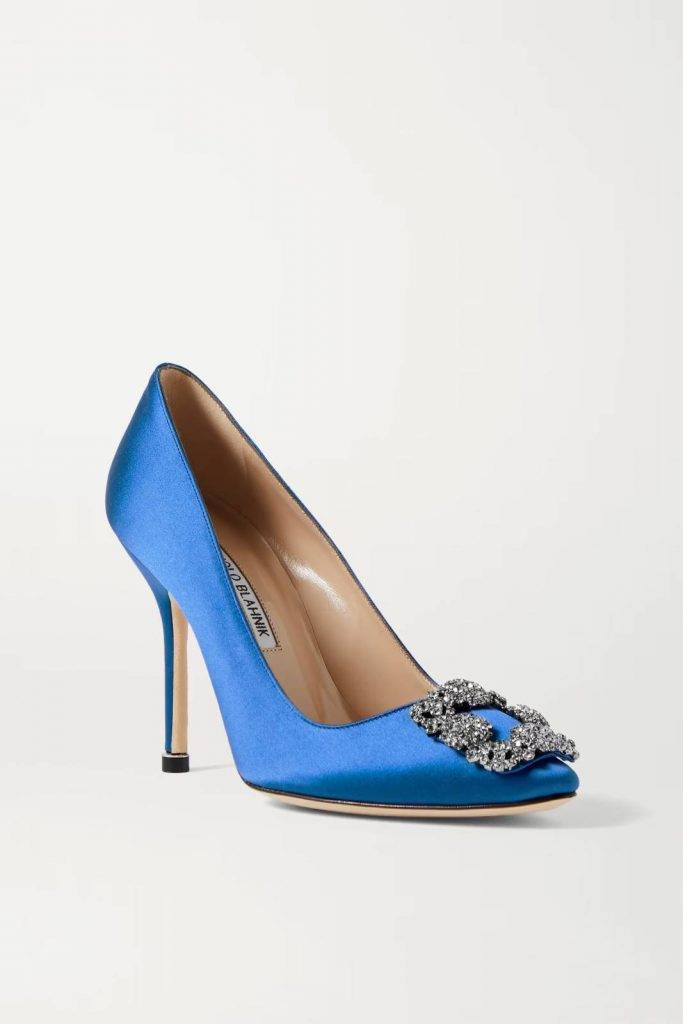
Manolo Blahnik is what happens when childlike wonder and human genius converge with designing shoes for women. Blahnik’s Hangisi are an essential pair of heeled pumps that can be sported as street style as well as with evening “car-to-carpet” couture, with their inspired jewelled buckle on the toe. Available through Manolo Blahnik.
Time is ticking for South Africa to mull whether to arrest Putin:
On 17 March, the International Criminal Court (ICC) issued an arrest warrant for Russian President Vladimir Putin for his alleged war crimes in Ukraine. The court accused Putin, alongside Maria Alexeyevna Lvova-Belova, Commissioner for Children’s rights in the office of the Russian president, of “unlawful deportation and transfer of the Ukrainians (children) from the occupied areas of Ukraine to Russia”.
This followed a global campaign by Ukrainian President Volodymyr Zelenskiy and sympathisers to have Putin held accountable for what they consider war crimes and crimes against humanity, in addition to violating Ukraine’s sovereignty.
As expected, the Russian government was defiant in response to the court’s arrest warrant. As the country’s Ministry of Foreign Affairs spokesperson pointed out, “Russia is not a party to the Rome Statute of the ICC and bears no obligation under it.”
While Russia signed this statute in 2000, they never ratified it and withdrew the country’s signature in 2016. However, president of the ICC Piotr Hofmanski dismissed the Russian claims, arguing that “the court has jurisdiction over crimes committed in the territory of a state party or a state which has accepted its jurisdiction”. Even though Ukraine is not a member of the ICC, it has accepted the ICC’s jurisdiction. In the event of the issue of an ICC arrest warrant, its subject can be detained and extradited if they travel to a member country.
In August this year, South Africa will be hosting a Brics summit comprising Brazil, Russia, India, China and South Africa. It is expected to take place in Durban. Given that South Africa is an ICC member if, between now and then, this is Putin’s only foreign visit, and if he does attend the summit, the ICC would expect South Africa to arrest Putin and hand him over to The Hague for trial.
It would not be the first time the South African government was confronted with such a predicament. In 2015, when Jacob Zuma was president, the court had a warrant of arrest for president of Sudan Omar al-Bashir for his alleged war crimes and crimes against humanity in Darfur. When Al-Bashir came to South Africa for the African Union summit, the ICC expected the country to arrest and extradite him. However, Zuma did not command forces to make the arrest and Al-Bashir left South Africa after the summit. This came amid discontent among African leaders over the ICC’s perceived bias against the continent.
South Africa faced criticism for its failure to make the arrest, with the ICC later ruling that the country had failed to uphold its obligation to the court as a signatory. While South Africa attempted to withdraw from the Rome Statute after the Al-Bashir controversy, the country remains a member of the ICC. The government might have to make another tough decision — whether or not to arrest the Russian president and hand him over to the ICC if he does come to the country in August.
However, it is very unlikely he would be arrested, not only because of the strong ties between South Africa and Russia, but also because of the questions surrounding the court’s legitimacy and its perceived bias. Furthermore, the governing ANC has relations with Russia that go way back to the colonial and apartheid eras.
While the court condemned South Africa for not arresting Al-Bashir, it was not referred to the Assembly of the State Parties or the United Nations Security Council, meaning no punishment was imposed.
Time will tell whether Putin will attend, or send a delegation, to the summit. South African officials will be hoping for the latter because they have a very tough decision to make if he does come. However, August is still far away; it remains to be seen what will happen between now and then.
Dr Siphumelele Duma is a postdoctoral fellow at the University of Johannesburg’s Institute for Pan-African Thought and Conversation.
Submit and get free exposure here: Showcase Your Business | Advertise Your Special Offers.