Faeces again floods pump station near Umhlanga:

eThekwini Municipality has launched a clean-up operation at the Ohlange wastewater pump station after a video showing the premises swamped with faeces went viral on social media.
Peter Graham, owner of the Facebook page Peter’s Post, visited the Ohlange pump station in Blackburn with ActionSA eThekwini caucus leader Alan Beesley last week, where he filmed the filthy state of affairs.
The faulty pump station has previously been the source of raw sewage that has washed into the Ohlange River and into the sea at Umhlanga, causing repeated beach closures due to high levels of E.Coli in the water in recent months, and hurting tourism.
According to a statement by eThekwini mayor Mxolisi Kaunda, the pump station was repaired in November 2022 after it was damaged during floods in April that year.
However, when Graham visited the pump station last week, he found that just one pump was installed on the site and it was battling to cope with the volume.
“I am here at the famous Ohlange fixed power station — this is where 30 million litres of raw sewage was being pumped into the ocean. Yesterday, there was a massive spill … this is raw untreated s*** I am walking through. It all ended up in the river,” Graham said in the video, highlighting the extent of the sewage overflow.
“The stench here is, like, out of the movies. I am slipping; the stench here is beyond belief,” he said.
Walking into the pump station, Graham was not able to touch the handrail to walk downstairs as it had been contaminated with raw faeces.
“Here is the problem. Where is the other pump? How can this effectively brand-new sewage pump station be reduced to one immersible pump? This poor pump is doing its best,” he said.
However, he said in sewage reticulation it was essential to have a redundancy system in place — the intentional duplication of critical components or functions to increase reliability of the system.
“Unfortunately, here at Ohlange, there is no redundancy in place. If this pump fails … this s*** is literally going to end up in the Ohlange River,” he said.

Responding to the viral video, eThekwini Municipality said in a statement that a clean-up operation is underway at the Ohlange station “in preparation for the reinstallation of one of the duty pumps that required repairs due to a mechanical fault”.
“The pump station has been operational since December last year after it was commissioned following flood damage. New machinery, including a control panel, pumps and a standby generator were installed to avoid overflows during load-shedding,” the council said.
It said in addition to reinstalling the repaired broken pump, two new pumps and a new mechanical control centre are being installed at the old Ohlange wastewater pump station.
“Once the installations are completed, both pump stations will be running, using four pumps.”
Repairs to other infrastructural damage, such as pipelines that were washed away and blockages, are being addressed around the city. In some areas, most of the blockages, which result in major overflows, are due to vandalism and the misuse of the sewer system, the city said.
“The frequency with which these are occurring is a concern for the city. We will continue to educate the public about the effects of disposing foreign objects into sanitation infrastructure,” it added.
Art meets science at UJ exhibition:

The first bio-art exhibition to be held on the African continent will be on display at the University of Johannesburg’s Fada Gallery until 17 August.
Bio-art is “a creative practice that deals with the hands-on application of the latest advances in biology and life science practices, microscopy, and biotechnology, including technologies such as genetic engineering, tissue culture, and cloning”.
This is according to the co-founders of the Creative Microbiology Research Co-Labat at the university, Leora Farber, director of the Visual Identities in Art and Design Research Centre, in the Faculty of Art, Design and Architecture, and Tobias Barnard, director of the Water and Health Research Centre in the Faculty of Health Sciences.
The SYM|BIO|ART exhibition, which took about a year to put together, includes works by nine artists and scientists — Barnard; Farber; artist and writer Nathaniel Stern; dancer and choreographer Nelisiwe Xaba; research designer Nadine Botha; artist-in-residence Brenton Maart; architectural inventor Xylan de Jager; architect Miliswa Ndziba and para-disciplinary artist Nolan Oswald Dennis.
The team uses interdisciplinary approaches when working with biomaterials and producing new ones.
This exhibition feels as if every time you return to an artwork, it has changed to something totally different. It is such a bizarre experience, but in a satisfying way.
The artists have highlighted the relationship between our bodies and the ecosystem. They remind us how we are one with living and nonliving matter that is inside us and surrounds us. We are reminded through the artworks that we are one with our environment.
Farber and Barnard say that the concept of bio-art is not new. Alexander Fleming (the penicillin guy) was among the first people to explore bio-art by using bacteria to create drawings in petri dishes.
“In the 1930s, artists such as Edward Steichen and George Gessert first employed genetics as an art medium to modify organisms. Both artists showed their works in art galleries. Thereafter, bio-materials [bodily fluids like sperm, menstrual blood and urine] were used in several 12th-century Western art genres such as in early feminist body art and performance [as in the work of Ana Mendieta and Carolee Schneemann],” they say.
In 1997, contemporary artist Eduardo Kac coined the term bio-art in reference to his artwork, Time Capsule, created with French geneticist Louis-Marie Houdebine. Kac was known for commissioning the controversial creation of a genetically modified rabbit named Alba, who glowed in the dark after being injected with a green fluorescent protein.
Over the years, artists and scholars have explored bio-art, creating a platform for the discipline to evolve as much as it has.
But Africa has a lot of catching up to do; few artists and designers work with bacteria or with biotechnological processes in general.
“Given that bio-art practice is unrecognised and unestablished in South Africa, it offers enormous potential as a field of creative and theoretical research in this country,” say Farber and Barnard.
“Bio-art can also increase awareness of the bacterial world that resides in us and surrounds us, and prompt new ways of interacting with microbial organisms. For instance, instead of seeing bacteria as only harmful and dangerous to our health, we might think about ways of engaging with them that acknowledge the interdependent and symbiotic nature of our relationship with them.”
Other uses of bio-art are biofabrics used in fashion and textile industries, and the use of mycelium in architecture to create eco-friendly, bio-sustainable bricks for the construction industry.
This discipline is not only enjoyable but has practical potential to catapult solutions to some environmental issues.
What is interesting about the SYM|BIO|ART exhibition is that since the day it started, some of the material may have taken a new shape, which means you’ll have to see it again.
The artists show their works in one space but all the pieces merge into each other, telling a story about what the future could look like.
“Bioart offers an innovative approach to converging new methodologies, materialisms, and forms of knowledge,” say Farber and Barnard. “As such, it can be a powerful platform for African artists and scientists — or bio-art practitioners — to express and address concerns that are relevant and particular to the continent, be these socio-political, historical or environmental.”
Xiaomi TV Box S and 2K TV Stick:

High-quality streaming meets unbeatable convenience
Do you want to improve your existing TV setup? The Xiaomi TV Box S 2nd Gen provides a real upgrade for most TVs that are currently on the market, including 4k streaming, which surpasses the resolution of both SD and HD streaming, and produces exceptionally clear visuals.
The Xiaomi TV Stick is another great addition to your existing setup, providing you with the opportunity to take your favourite TV programmes with you on holiday — just slip it into your pocket. You can also upgrade that older TV in the kids’ bedroom or your guest room, so they can enjoy access to all their favourite shows online, without needing to fork out on the cost of a brand-new Smart TV.
It’s a no-brainer choice if your current streaming devices are a bit outdated and their performance has begun to deteriorate. They may be losing access or support to your favourite streaming platforms or no longer support your apps of choice, which can create a really frustrating experience when you’re hoping to binge watch a new show.
Why is a Xiaomi streaming device your best choice? Well, you don’t have to go out and buy or upgrade a flatscreen that breaks the bank, and you simply won’t find better prices anywhere else for similar products. The XTV Box S 2nd Gen has a recommended retail price of just R1 199, while the Xiaomi TV Stick retails for only R949.
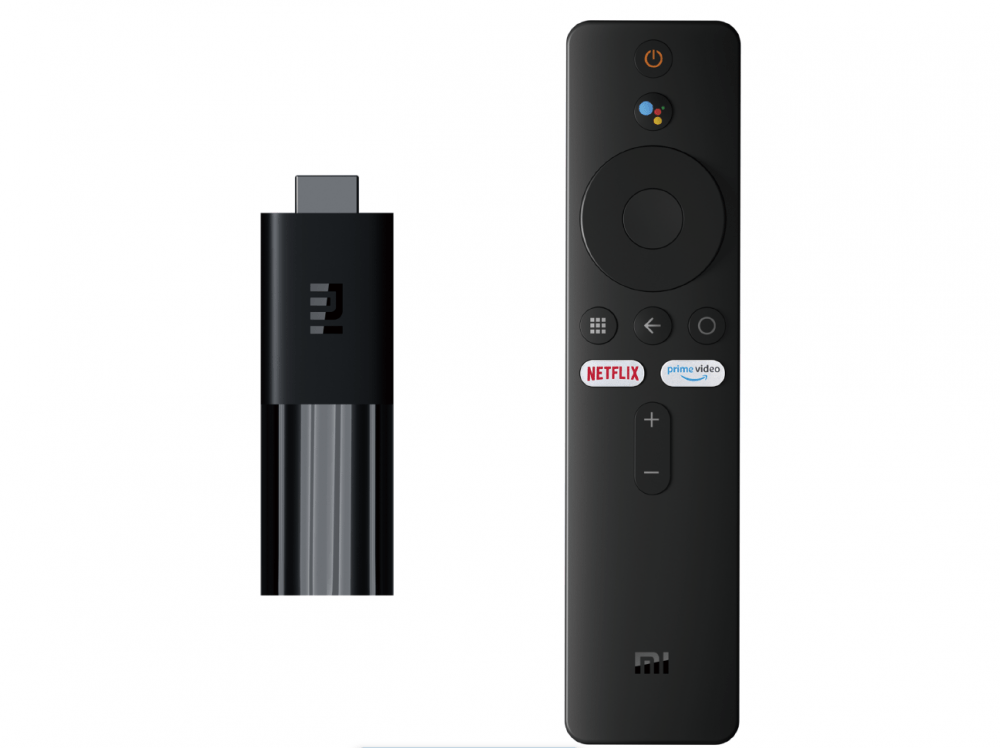
Both devices will blow your sock off with the latest high performance, quality Dolby audio and video. The Xiaomi TV Box S 2nd Gen has Dolby Vision, which optimises the images to the device you are streaming on, while Dolby Atmos ensures that you get the best performance from your speakers. Expect crystal-clear images with HDR10+ and a full range of sound. The Xiaomi TV Stick has Dolby DTS, capable of delivering quality sound to home theatre systems.
Kerryn, a satisfied customer who bought the Xiaomi TV Box S 2nd Gen in June, writes in a review: “I have been thinking about buying a TV box to make my TV smart for over a year and finally decided to get the Xiaomi over all other options after doing A LOT of inquiry and research. AND I am thoroughly satisfied. Good quality, easy setup, great clarity, sound, and functionality.”
Xiaomi is a global top three Android phone brand with full access to Google Mobile Services, so if you buy the Xiaomi TV Box S 2nd Gen you get Google certification, which includes, among others, Google TV, Google Assistant and Google Play Store for app downloads. You also get Chromecast — so your favourite shows such as Netflix and YouTube are built in for you to watch in 4K quality on your TV or big screen, and you’ll also get regular firmware updates. The Xiaomi TV Stick has Android TV, which provides streaming services such as Netflix, YouTube and Apple TV.
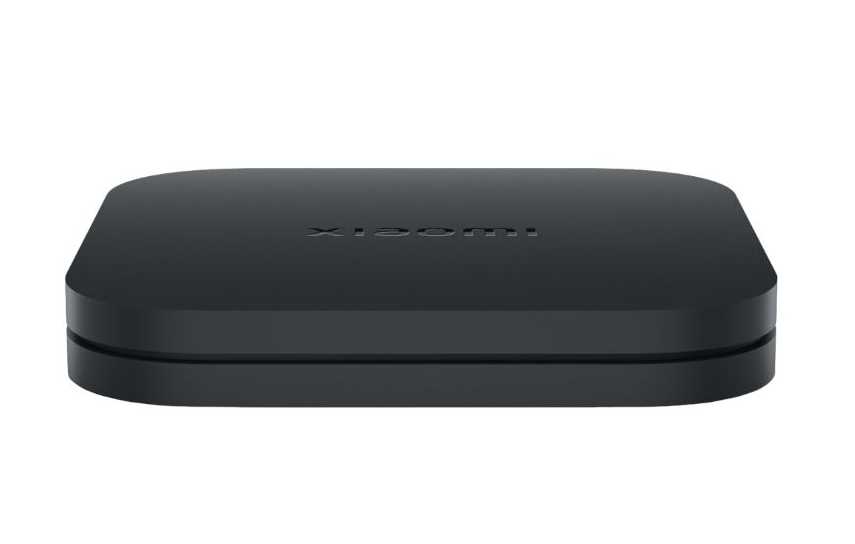
The size of the Xiaomi TV Box S 2nd Gen and Xiaomi TV Stick is really advantageous for users. The box is less than 10cm wide and weighs 145g, and the stick is even tinier, almost like a USB thumb stick, and fits neatly into your pocket. In addition to serving as a multimedia solution for your smart home, they are so small that you can easily take them with you to the office or on holiday. As an on-the-go solution they are unbeatable — just plug them in and play. They even respond to voice commands, so you never have to leave your seat, but they come with remotes if you prefer to push buttons.
Sit back and relax. Top quality streaming is now available, for a price that most South Africans can afford. Don’t wait: the demand is high!
The Xiaomi TV Box S 2nd Gen has a RRP of R1 199
The Xiaomi TV Stick has a RRP of R949
Buy these products at:
- Takealot
- Incredible Connection
- HiFi Corp
- Game
- Makro
Submit and get free exposure here: Showcase Your Business | Advertise Your Special Offers.