Great art has no gender: Female composers take centre stage in Wakkerstroom:
Renowned women composers and performers whose works of “enduring beauty and power” have been shelved, sidelined, misattributed or overlooked will be given a platform at the 2026 Wakkerstroom music festival.
In her welcoming note, festival chairperson Linette van de Merwe, a professional mezzo-soprano and lecturer in the Humanities Department at Pretoria University, invites classical music enthusiasts to turn their gaze and ears towards “the truth that patriarchal society has forgotten: great art has no gender”.
‘‘I don’t think I can recall seeing a man perform a programme of women composers here in South Africa,’ cellist Mietze Dill says.
Dill, the founder of string quartet Serendipity Strings teaches music at a boys’ school in Pretoria and is enrolled for a PhD in artistic research at the University of the Free State, exploring Virginia Woolf’s relationship with chamber music.
“Virginia Woolf was very knowledgeable about music and its political context, which was unusual for women in the Victorian era,” Dill says. “Music was central to her social life and appears frequently in her letters and diaries. In her novel, The Voyage Out, Woolf’s heroine plays a Beethoven piano sonata commonly considered to be unattainable for women and in Night and Day references to Mozart’s operas are critiqued for their elevated status in patriarchal society.”
In a performance appropriately titled Unheard (of), Mietze Dill and pianist Mareli Stolp will play the Cello Sonata in A minor, Op.5, composed in 1887 by Dame Ethel Smyth. Smyth, a close friend of Virginia Woolf’s during the past 19 years of the writer’s life, also features in Mietze Dill’s doctorate.

“She was a remarkable composer and is completely underrated and undervalued to this day,” Dill says. When Dill asked a friend who was going to London to find Smyth’s composition, she struggled, although it had been published by a reputable publisher. When she did finally get the music, it was full of mistakes.
“This is a famous music publisher, how could this happen?” Dill asks. “Attempts to find the sheet music by other women composers online have been equally unproductive.” After researching the sonata’s publishing history, it came to light that the work was out of print for nearly a century – only resurfacing as a published work in 2016.
Smyth’s music has been praised for its emotional depth. “It’s a remarkable work of great ingenuity and beauty,” Dill says. The last of the three movements has a quick tempo, suggesting marching music. Dill speculates that this might be related to the composer’s activism as a member of Emmeline Pankhurst’s suffragette movement.
In 1912, Smyth was jailed for two months, allegedly for throwing stones at a politician’s window. An enduring anecdote is of Smyth leaning out of a prison window and using a toothbrush as a baton to conduct fellow suffragettes in the courtyard below in a performance of her music, The March of the Women.
Next on the Unheard (of) programme is a selection of pieces composed between 1893 and 1921 by the American composer, Amy Beach. Beach was the first woman to achieve international recognition as a composer of large-scale art music in the US. Her Romantic/late Romantic music has been used to represent one of the two distinct pillars of early 20th century American classical music. Gershwin’s modernist music influenced by jazz represents the other pillar. The two pillars represent the evolution of music from the European tradition to a distinctly American style of music.
Beach, who was married to a businessman, was inhibited from pursuing her vocation like most women of her era and she received little formal training. Dill says this is evident when compared to music Smyth composed.
Dill and Stolp will play four pieces by Beach: La Captive, Berceuse, Pastorale and Dreaming.
A short romantic melody for cello and piano, titled Solitude, by French composer Rita Strohl in 1897 is another gem on offer by Dill and Stolp. Born in France in 1865, Strohl was trained at the Paris Conservatory and received private tuition in composition. The fruits of her prolific musical career include 50-odd melodies written between 1887 and 1901.
The final piece on the Unheard (of) line-up is Serenade, Op. 46 by the late-Romantic French composer, Mélanie Hélène Bonis. Born in Paris in 1858, Bonis taught herself to play the piano until a family friend persuaded her parents to allow her to take private music lessons when she was 12. At 16, she got herself admitted to the Conservatoire de Paris, where she fell in love with a singing student, Amédée Landély Hettich.

Her parents whisked her away and married her off to a twice-widowed industrialist and father of five sons. Her husband, who was 22 years her senior, had no interest in music and was intolerant of his wife’s musical ambitions. While married, Bonis reunited with Hettich, who had also married. Living a double life, Bonis forged a path that went against the social norms of the time. She wrote more than 300 works, blending Romanticism with Impressionism, including piano pieces, chamber works, orchestral music and choral works.
The Wakkerstroom Music Festival was founded 15 years ago by acclaimed ballerina Rona Sonnenburg, now deceased. For the past 10 years it has been chaired by Van der Merwe.
A focus on women in classical music is timely for the Wakkerstroom Music Festival and South African audiences.
Mchunu disbandment letter divided SAPS:
National police commissioner Fannie Masemola said suspended police minister Senzo Mchunu had ample time to brief him of his intention to disband the political killings task team (PKTT) but had never brought it up.
“We had not yet agreed. I said ‘gradual’, the minister said ‘immediate’,” Masemola said.
Speaking at the police ad hoc committee, Masemola confirmed previous testimony by deputy national commissioner for visible policing Tebello Mosikili, who said the national commissioner had been on annual leave when Mchunu had sent a disbandment letter via whatsapp.
Senior police officials have told the committee, which is investigating KwaZulu-Natal police commissioner Nhlanhla Mkhwanazi’s claims of police corruption and political interference, that they read the letter on social media.
Masemola said the objective of Mchunu’s disbandment was to stop the operations of the Gauteng crime intelligence investigations, which were closing in on businessperson and alleged leader of the Big Five cartel, Vusimuzi Cat Matlala.
“It is still my evidence that the minister never consulted with me about the directive or even before he issued the directive. I can add that I was with the minister for most of that week,” said Masemola.
Mosikili previously testified that Mchunu and Masemola had been part of a cross-provincial festive season safety campaign and had attended the funeral of a police captain several days before the disbandment of the political killings task team.
“Still I stand by what I said; at no stage did he hint or indicate there’s this imminent disbandment of the PKTT,” he said.
There had been ample opportunity to discuss the matter, especially the urgent disbandment instructions, Masemola said.
He said that in a virtual meeting in December 2024, Mchunu had raised concerns about Matlala’s controversial R360 million police healthcare contract with Medicare24 and had never raised concerns about the political killings task team, which was investigating Matlala.
Masemola had cancelled the contract in April 2025 after reports about complaints concerning poor Medicare24 service delivery.
Masemola said that when he had received Mchunu’s disbandment letter, he had briefly read it as he thought it was not a legitimate document. Once confirmed, he had requested departments to write reports based on the directive.
Masemola has previously testified before the ad hoc committee and Madlanga commission, which is investigating similar allegations, that he had advocated for a gradual wind-down of operations instead of an immediate shut down if disbandment was unavoidable.
He said he had received a letter from deputy national police commissioner for crime detection Shadrack Sibiya who had instructed the removal of 121 dockets from the task team as part of Mchunu’s disbandment order.
“I engaged General Sibiya in terms of how I would want to approach the matter, which I said: ‘I’m not going to do it as an immediate disbandment. If … we do it, we should wind down the team instead of doing it abruptly,’” he said.
Sibiya had told him the task team would be disbanded in a similar way to how the Scorpions had been disbanded as he had been a member, adding that dockets had been taken from the officers.
“I told him that: ‘No, no, no, but that for me is very irresponsible. You don’t even know what is in the dockets. You [can’t] just pack the dockets and say people must go.’
“I said: ‘I’m not going to do it [in] that irresponsible way. I will do it my way and my way is this way of winding down. So, I don’t want your Scorpion plan, go and do the plan, my plan of coming with a proposal of winding down the team.’”
He said Sibiya had submitted a plan, which still emphasised the immediate disbandment of the task team.
“I said: ‘No, for some reason maybe you don’t understand what I’m saying.’ I then tasked [crime intelligence head Dumisani] Khumalo to do the same”.
On 22 January, he had submitted the report drafted by Khumalo and the SAPS legal services recommending a structured shut down of the task team to Mchunu.
Masemola had subsequently met President Cyril Ramaphosa in person to brief him on the events.
“It was an arranged meeting which I requested from the president. The agenda was to talk basically about the disbandment of the PKTT, where I alerted him that there’s this thing that is happening, the PKTT was being disbanded and we don’t know why,” he said.
Ramaphosa had seemed surprised and stated that he would talk to Mchunu, said Masemola.
During a subsequent managerial meeting, Masemola had requested Mchunu to justify the disbandment of the PKTT.
“There, I said to the minister: ‘Minister, these are the senior managers of SAPS. Can you take them into your confidence? What are the reasons that we are disbanding this team?’”
Masemola had noted that Mchunu had responded at the end of the meeting.
“And later in the meeting here indicated one of the reasons why this team must be disbanded is that there’s no political killings, they happened pre-1994. For now there’s just killings,” he said.
Masemola said that had shown a clear division between those who supported the disbandment and those who did not and were forced to advocate for a gradual wind-down instead.
Life between cyclones: How Beira’s people carry the mental weight of storms that never really end :
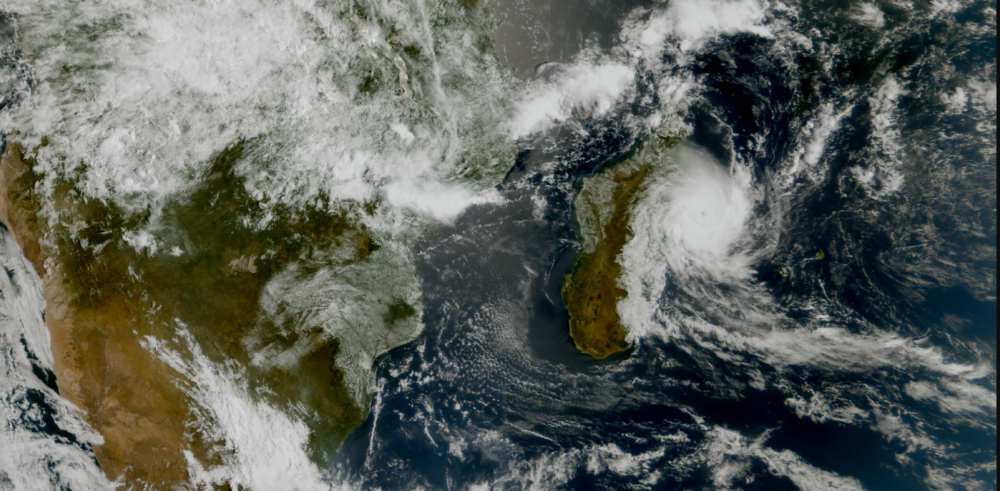
Lying on a short bed in a stiflingly hot second floor apartment in Beira, I check the weather report, see that the tropical disturbance wallowing off the west coast of Madagascar has been upgraded to a moderate tropical storm called Gezani. It is a name contributed by the South African Weather Service to the World Meteorological Organisation ahead of this year’s South-West Indian Ocean cyclone season, but what does it mean? The internet delivers multiple answers. A name of Zulu origin, meaning “be satisfied”, or “complete”. A word of Tsonga origin, meaning “to protect”. A masculine name of Bantu origin. A Swahili girl name.
It is too early to tell if Gezani will strengthen and through its impacts contribute new meaning to the name. The Malagasy and Mozambican governments are certainly worried about it, and with reason: in late January, cyclone Fytia left at least 12 people dead in Madagascar, displacing nearly 28 000. Around the same time, more than half a million Mozambicans were displaced or otherwise impacted by widespread flooding in the south of the country, following early and very heavy rains in the catchments of the Limpopo, Umbeluzi and Incomáti rivers. A direct hit from an intense cyclone now would add unthinkable burdens to a nation whose children are still at home, after the government postponed the opening of schools until March.
Some of those children have only just fallen silent, ordered to bed by shouting mothers.
February 9
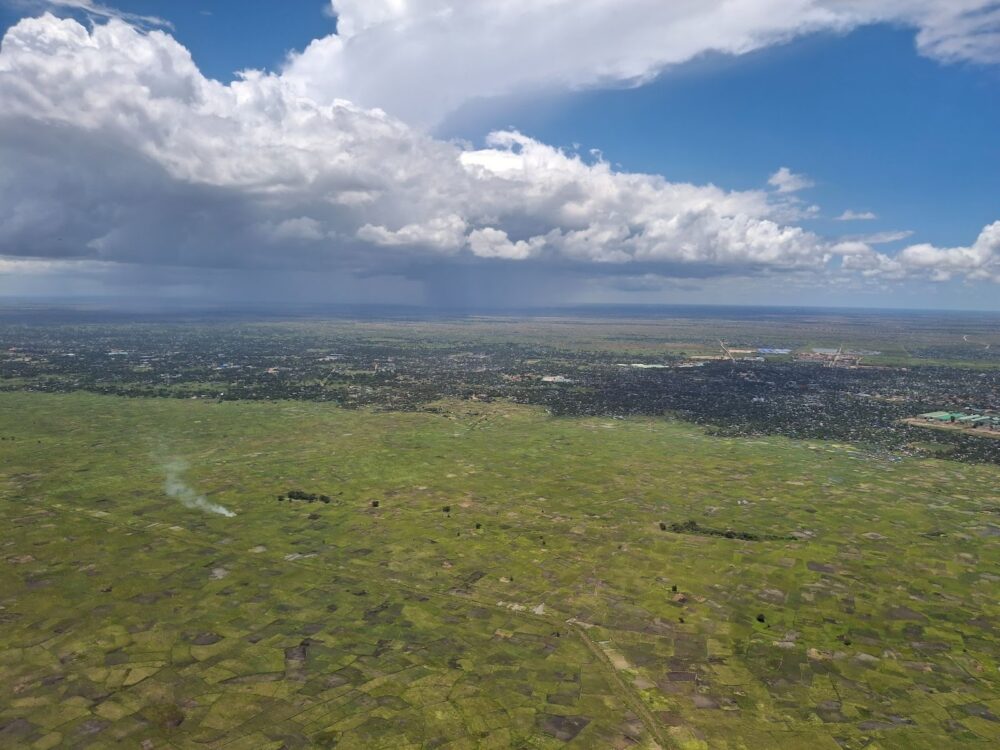
Approaching Beira a few days ago, the plane crossed the vast and uninhabited floodplains of the Búzi and Púngue rivers, lined up with the runway then surged into a go-around, taking us out over the Bay of Beira’s sediment-brown waters. From that vantage it was possible to appreciate local historian Antonio Sopa’s description of the city as “[an] enormous liquid mudflat, generating dampness and pestilence, permanently threatened by tides and storm”.
As one storm gathers force 1 500 kilometres away, we are here to investigate the impacts of a cyclone that almost wiped Beira off the map on March 15 2019.
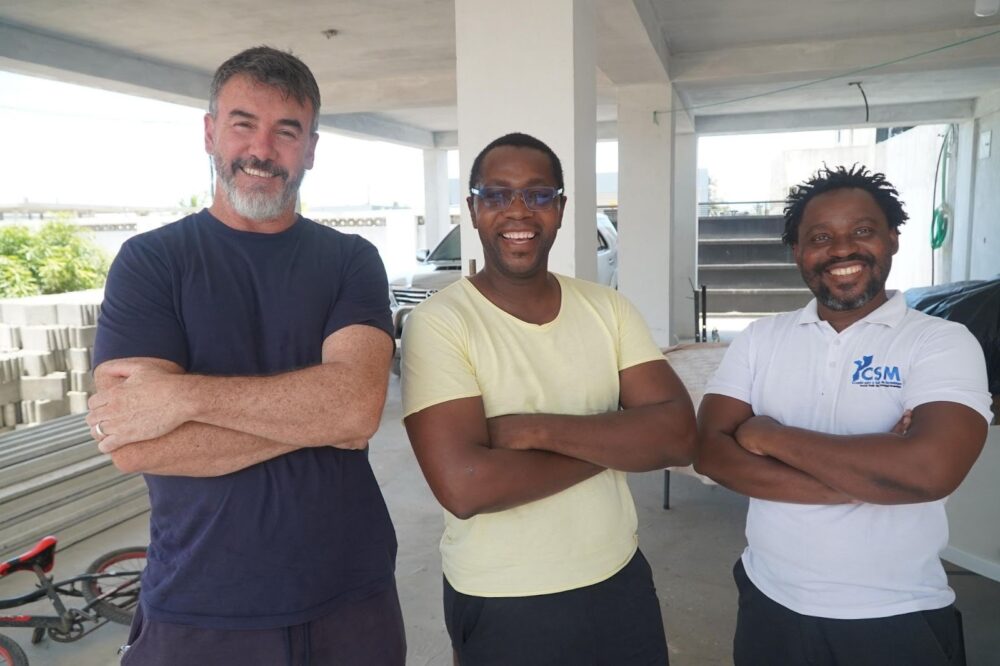
Everyone has a story about Idai. Alberto Muanido, who met me at the airport in a light blue golf shirt branded with the acronym of the organisation he leads — CSM (Comité para Saúde de Moçambique, formerly Health Alliance International) — was hosting a training designed to treat common mental health disorders in the days before. One of the international participants, after consulting weather apps, told the rest of the group that something bad was coming, and advised them to get out of town.
“We are used to storms here, so nobody was that concerned. He flew out alone, but not before we took a team photo outside a multi-storey building on the Macuti seafront. The next day, there was no building there,” Muanido recalled.
After Idai, Beirans are no longer dismissive of the sms warnings sent out by Mozambique’s emergency response agency — Instituto Nacional de Gestão e Redução do Risco de Desastres (INGD). Muanido and his team constantly refresh zoom.earth and windy.com, and discuss the relative merits of different roofing materials. The work they have been doing this past year in partnership with The impact of extreme weather events on the mental health of vulnerable populations in Africa (Wema) project, travelling the city in search of individuals whom Idai has left with untreated mental wounds, has made this cyclone season feel all the more personal.
Hilario Dario is one of the participants in their project. When Idai struck he was at home with his family in Praia Nova, an unplanned settlement sandwiched between the edge of the old colonial city centre, and the beach. After receiving the government’s warnings he sent his wife and youngest children inland, but stayed home with his two oldest boys, then 16 and 14.
“The roof went first, then the wall collapsed, crushing my foot,” says Dario, who yelled for help to no avail — the people in the street beyond his gate were too busy fleeing in winds that gusted up to 250 kilometres per hour. As the level of water in the house rose, Dario summoned his boys, and with a son under each arm to support him, they went out in search of shelter.
“We still talk about how scared we were of the power lines, which had fallen in the water. With every step, we thought we might be electrocuted,” he says.
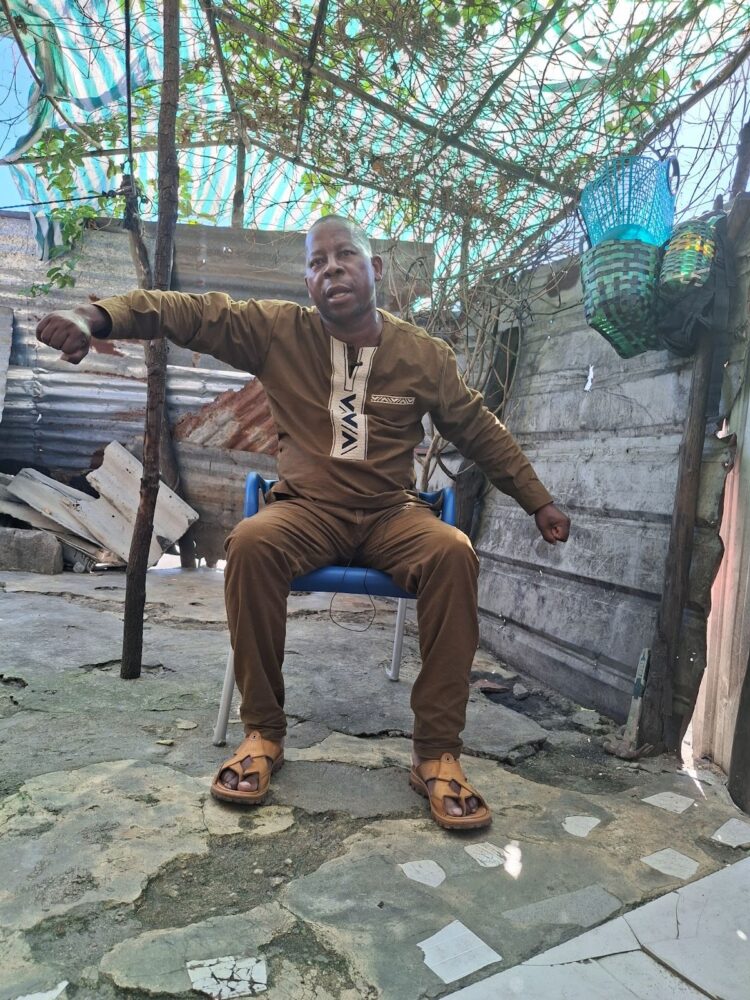
They took shelter in a soundly built primary school, Escola Primaria Completa Agostinho Neto, and at dawn, in immense pain, Dario hobbled nearly two kilometres to the Pavilhão dos Desportos da Beira (Beira sports pavilion), where Cuban doctors had set up a mobile hospital. The attending surgeon had wanted to amputate Dario’s leg, now pale from blood loss, but Dario refused, and with the help of his sons returned home to Praia Nova, where he waited on a soaked bed for the waters to recede.
Idai took Dario’s livelihood. He had worked most of his adult life as a truck driver for J&J Africa, but today, despite the supportive metal implants put in by Cuban surgeons, his foot swells and becomes painful if he sits for prolonged periods. He has managed to rebuild his house, but he doubts it will survive another Idai.
“If I could afford it, I would move to higher ground,” says Dario. His eldest son digs out his phone, and that “Oh no no no” old-man-chortling meme sounds out, but he is looking for something else, a vox pop made around the time of Idai, of a woman saying, “Beira e caminho de vento” — Beira is a place of wind.
“It has been sampled by a bunch of deejays,” he says, “it’s a hit”.
When the wind comes up, residents of Praia Nova scurry around, “talking fast.”
“We have not forgotten Idai,” he says.
February 10
Wake to the news that tropical storm Gezani has intensified, and is now tropical cyclone Gezani, on a collision course with the eastern Malagasy port of Toamasina, estimated population half a million. There is a strong chance it will clear Madagascar, enter the Mozambique Channel and strike the mainland by the end of the week. INGD has started informing cellphone users of the storm’s progress — who should be on alert, what stores to lay in.
We head out to Mandruzi, a resettlement area for families who lost their homes to Idai. It is near Dondo, at the edge of the Púngue floodplain, but somewhat raised and deemed safe from future inundations. The homes here are a hodgepodge of United Nations (UN)-Habitat bungalows, single room “GREPOC” homes constructed by the government’s post-cyclone recovery plan with World Bank funds, and larger houses constructed by the Catholic Church, using traditional bricks called tijolos de barro.
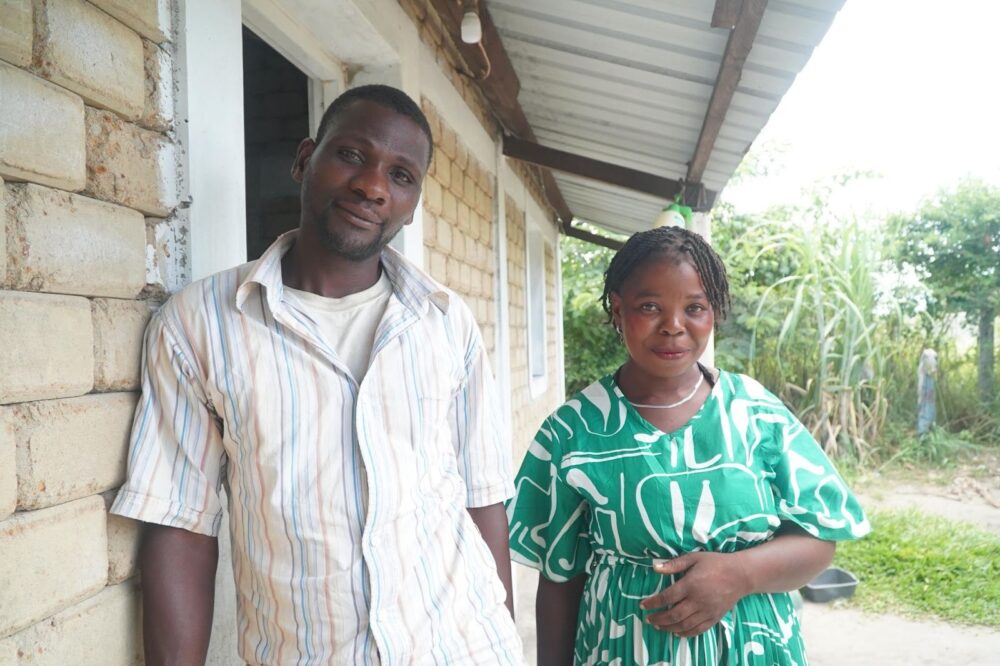
Anita Orlando Atmando Assumate sits outside one of the latter, her forearms with their latticework of melted body tissue folded. After Idai’s winds and waters destroyed her home in low-lying Balança, she and her family sought shelter at a nearby school, where men and women were separated and given tents. Hers caught fire at 3am, and she escaped just in time with one child, leaving the other inside. In a storm, it isn’t only water and wind that kill. Assumate woke in hospital, after her child had been buried. She later joined her husband and surviving children in a room in their old neighbourhood, and ultimately they were resettled in Mandruzi.
“Having a home like this helped us so much, but for a year I struggled to sleep, and my dreams were bad,” says Assumate, who was referred to Beira Hospital by the CSM team in 2025. Here she received counselling sessions, and says these “changed my thoughts” and that she “no longer feels such sadness”.
The overwhelming majority of those who lost homes did not receive new ones, however.
Delfina Katarina’s home in Massamba collapsed under the pressure of Idai’s winds.
“When the storm came I started singing, ‘Não morrerei, Não morrerei’ (I will not die) with one of my daughters,” says Katarina, softly singing out the chorus of a song by Brazilian gospel singer Marquinhos Gomes.
She too sheltered in schools and tents for days that became weeks, and was ultimately taken to Mandruzi. It was here that she says her real suffering began, in large part because she had arrived with her children, alcoholic husband and bedridden nephew, Antonio Pedro Cherene.
“The secretary shouted at me, saying ‘Why have you brought a dead person here?’,” Katarina says.
Every neighbourhood in Beira is administered by a chefe du centre, or secretary — a government employee who is typically also a resident, exerting a significant amount of control over communal life without much oversight. Such powers can and often are abused, a form of bureaucratic violence experienced by many in the wake of Idai, including Katarina.
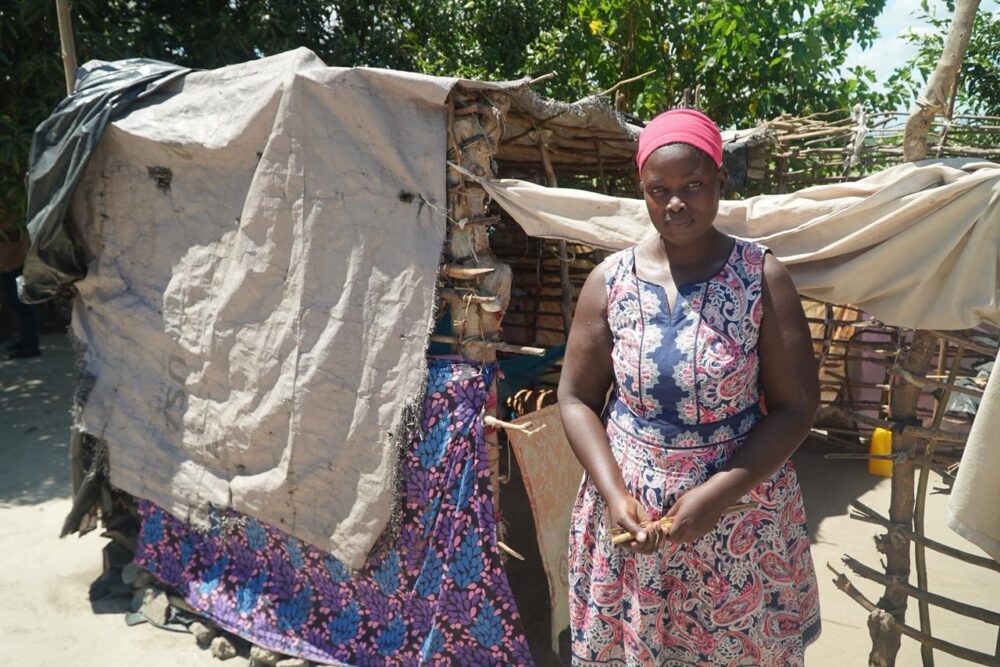
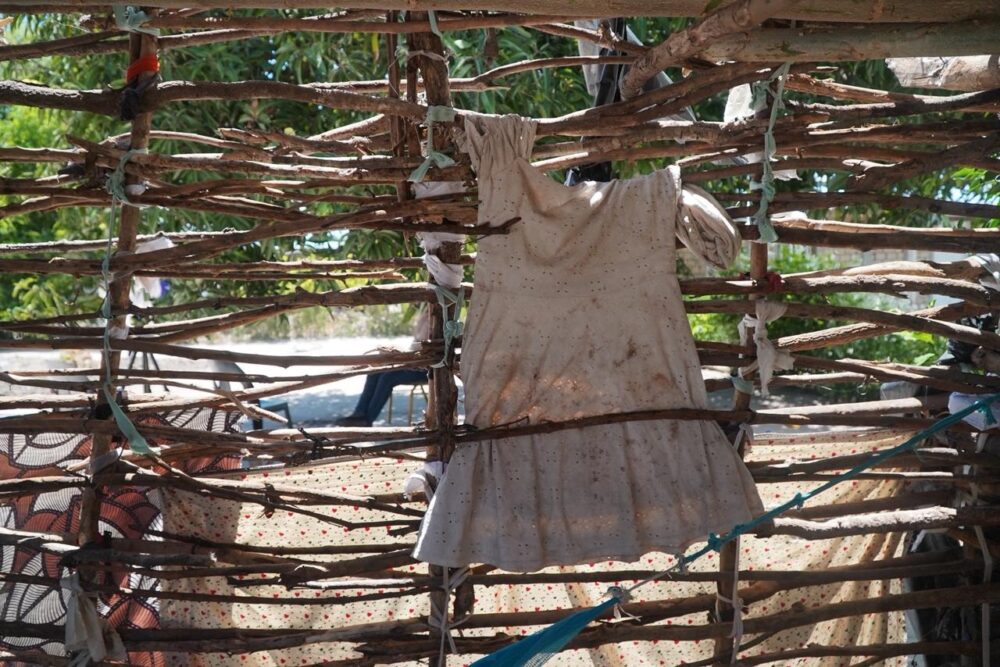
“All of us who were brought to Mandruzi gave our names to the secretary but because she does not like me I was the only one who did not get a house,” says Katarina, who was left with no choice but to build her own home in the traditional way, using branches, mud and grass. An area of backfilled earth marks the place where this structure collapsed in the heavy storms that came to Beira in January.
She now lives with her sister in a roofless shelter made of gum branches, with a few tattered capulanas (sarongs) here and there providing a modicum of privacy. Their plot of swept sand is located at the end of Mandruzi furthest from the main road. Katarina and her sister survive on eggs laid by a single hen, and whatever they earn from piecemeal jobs in the city. They have planted some rice (“only enough to fill a 50 kilogramme bag, before it is cleaned”), a few cassava plants, kiubo (lady’s finger) and a tangerine tree, all donated by the government. She does not feel at all safe, following the murder of a girl across the way by bandits.
“Idai taught me that most people become very selfish in chaos,” she says.
On our return to Beira we read that Gezani has made landfall over Toamasina as a category 3 storm, having strengthened considerably throughout the day. The last report from Toamasina airport, before it was abandoned, was of gusts up to 135 kilometres. The INGD’s messages come thick and fast now: leave risk zones, reinforce walls, ceilings, windows, support the elderly, children, stay away from rivers, beaches and trees. It has a depressive effect on Muanido, who is amazingly upbeat most of the time.
“This weather is relentless,” he says.
In the last decade alone, cyclones Chido, Dikeledi, Dineo, Eloise, Favio, Gombe, Guambe, Idai, Jude and Kenneth have collectively killed over a thousand people in Mozambique (Idai alone killed over 500), and that is before factoring in the many deadly tropical storms that have come through in the same period, or indeed the mortality from ensuing outbreaks of malaria and water borne diseases.
And now Gezani. Or possibly not.
February 11
The early reports from Toamasina are light on detail and that in itself is not good, suggesting devastation of power and communications infrastructure. Dozens are dead and thousands of buildings have been destroyed by winds gusting up to 270 kilometres per hour. The system has now weakened to a moderate tropical storm, but may gather force again over the warm waters between Madagascar and Mozambique.
After a bolstering raid on Só Bolos bakery for delicious filhoses we head over to Ndunda 2, one of Beira’s more flood prone neighbourhoods.
“You don’t need machines to dig boreholes here, the water table is a metre below the surface,” says Simao Francisco Jose, a community outreach officer with CMS.
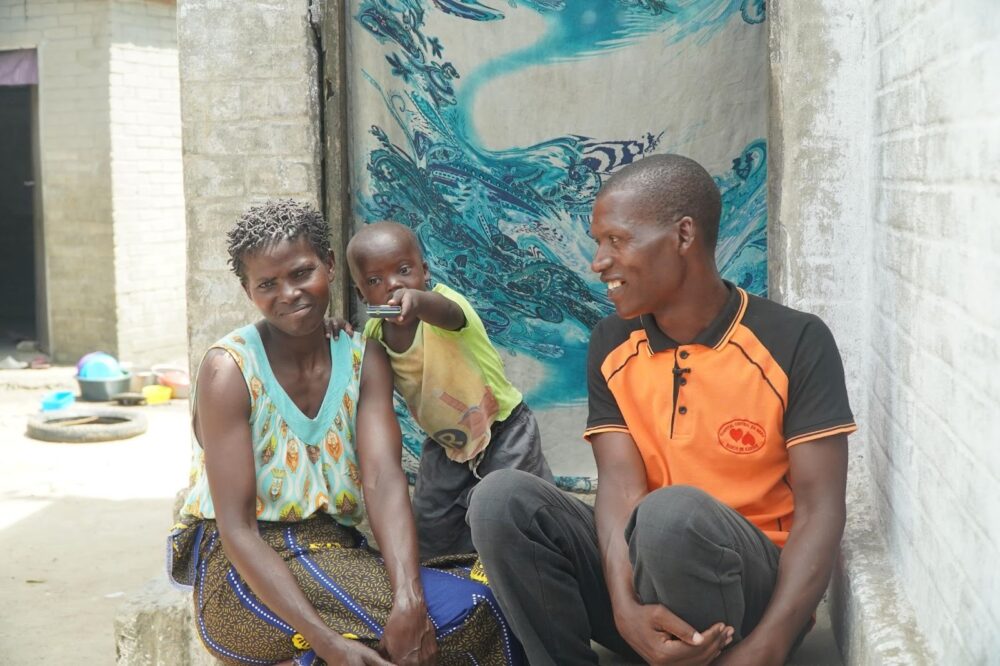
We meet Sousa Luis de Sousa and his wife Sara Fernando Charles outside a home built after Idai by the evangelical church they attend, Ministério Evangelica Remanescente de Moçambique. It is raised several feet above the ground and they sit on the steps, a water-patterned capulana wafting in the doorway. Sousa relates his tale, speaking in Portuguese. At a point his mouth starts quivering, emotion coursing through him. We wait for Muanido’s translation to begin to be reminded that life is not fair.
“He said he was at work on the day of Cyclone Idai, but everyone was told to return home early, after receiving a series of warnings from the government. Sousa returned to his wife and four children in the palma-pique (wattle and daub) home they lived in then. The wind became strong at 3pm, and by 7pm it had knocked down the house of a neighbour. Sousa put his children to bed and not long afterwards the wall of his own home collapsed, killing his children.”
Muanido doesn’t say it quite like this, he uses the word smash-ed, pronouncing the “-ed”, which hits hard, as does what follows: Sousa, unable in that moment to break the news to his wife, told her to go to the house of another neighbour.
“When he joined them there his wife cried, ‘Where’s Mussa?’ and he told her, ‘a better place’. Minutes later the wall of this home fell in, too, killing their neighbour.
The family needed to move somewhere safe, and so Sara and the surviving children made for a nearby radio station, leaving Sousa to watch over the bodies, which he placed under a blanket. When no help arrived the next day he wove coffins from branches and buried the dead.
For six months the events of that night haunted his dreams and for years he fought constantly with his wife, colleagues and friends. After he became involved in the project, Sousa and Sara both received counselling, which is ongoing.
“It changed everything. Now I can talk about what happened without crying,” he says, but glancing at the wall of his new home he says, “a house you can rebuild but a child you cannot get back”.
Our last stop for the day is the home of Vasco Cumbe, a psychiatrist from Maputo now living in Beira, where he is the director of the health research and training centre at Beira Hospital. He is also the principal investigator for the Mozambique arm of the Wema project.
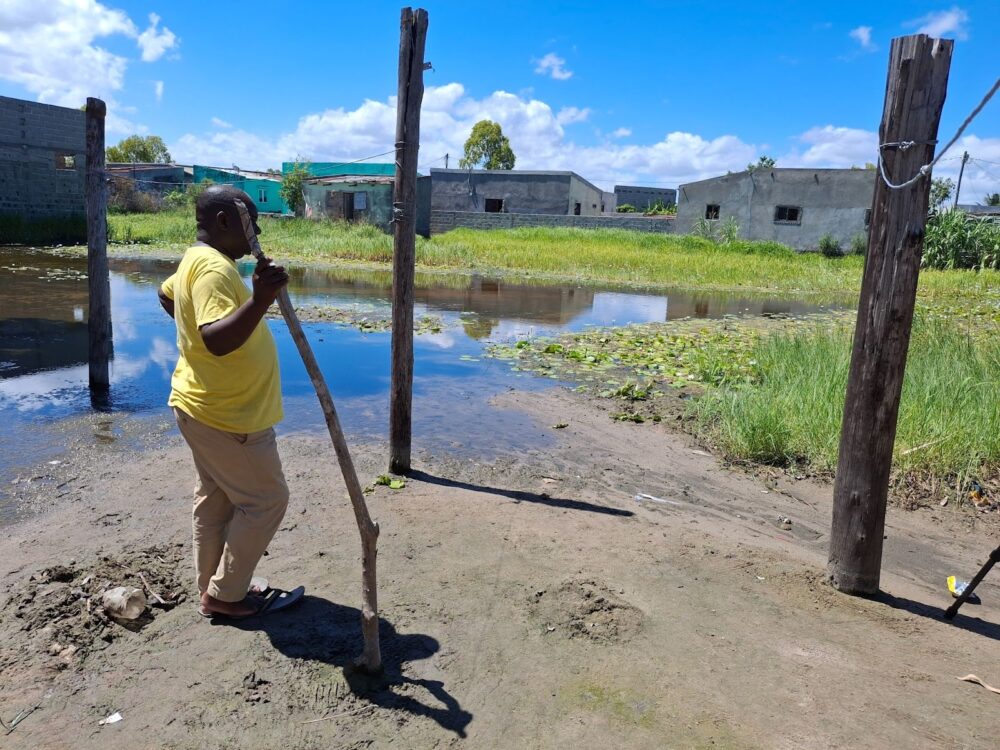
Cumbe’s home is in another new extension of Ndunda, built on waterlogged land that was made available to healthcare workers specifically. Over the last decade he and several of his colleagues have been slowly constructing their homes, and like all Beirans they are in a defensive stance against water, which rises up in vacant lots to form ponds covered in flowering water lilies.
“To keep water from coming up the walls here your foundations need to go down six metres,” he says, quickly adding that he cannot now imagine living anywhere else.
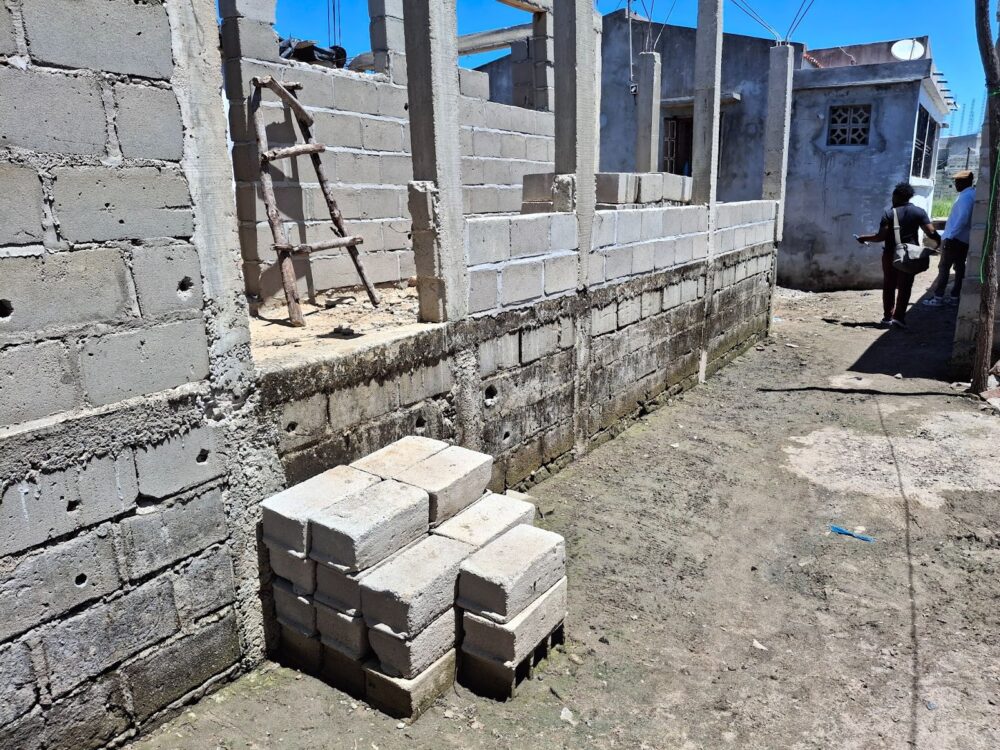
“Beira is a good place, the people are very friendly and from a public health perspective it is the country’s laboratory — a lot of the models that are currently in use in our system were developed here,” he says, although he is forthright about certain shortfalls in his own discipline.
“Mental health is a cause that has always needed championing in Mozambique. Our response is improving but we still have many gaps, and an understanding of the impact of natural disasters on mental health is one of them. In fact, what we know of the prevalence of common mental illness in general is very limited, even in the cities, and the further out one goes the fewer mental health professionals there are, and the less we know,” he says.
Cumbe was part of a team of researchers that reviewed 15 peer-reviewed studies that address the impact of climate change on mental health in sub-Saharan Africa, and although none of these focused on Mozambique specifically, their review found a particularly strong association between flooding, psychological distress, post-traumatic stress disorder (or PTSD, which can develop after someone experiences or witnesses something deeply frightening, shocking or life-threatening) and other mental health conditions.
And these impacts can endure for a long time. A study conducted after Hurricane Katrina devastated the city of New Orleans in the US in 2005 found that, in low-income mothers in New Orleans, post-traumatic stress symptoms were still present in one in six women more than a decade later, while research from storm-prone US state of Florida found that each hurricane hits harder mentally than the last.
In Beira, it has been six years since Idai, and Cumbe says he and the CSM teams are finding there are still “quite a number of people crying out, still struggling to overcome mental health issues.”
“It is clear to me after talking with some of these people that beyond the immediate emergency response there is a need for more targeted, community-based interventions,” he says.
February 12
Cyclone Gezani has destroyed 80% of Toamasina. Last night the storm entered the Mozambique Channel on a westward and southwards trajectory, leading Mozambique’s meteorological institute to issue a statement listing Sofala Province as an area at risk.
Because I can, I go, changing my return ticket to an earlier flight. Lifting off I have the sense of leaving behind not one but a compression of recent weather events, and not past tense but still living, nested in the physical injuries and mental scars of thousands upon thousands of Beirões.
This is oppression by weather, if such a thing can be said to exist.
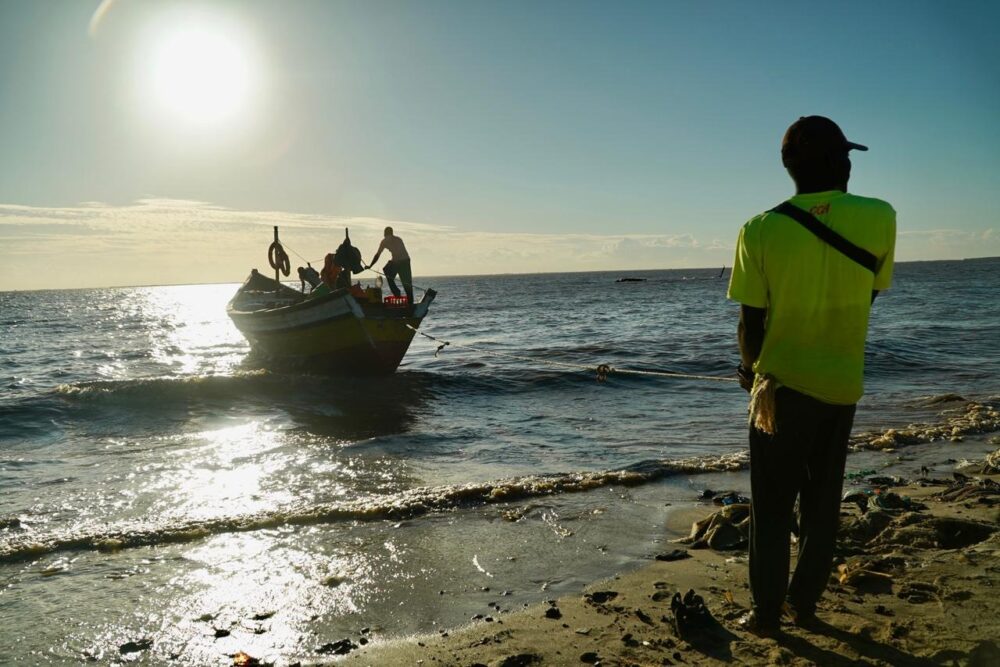
On Friday February 13, Cyclone Gezani missed Beira but brushed Inhambane, killing four people and destroying many homes.
A message arrives from Muanido: “Our prayers have been answered, the cyclone is in the south zone now. We are hoping it doesn’t loop back like Cyclone Freddy did two years ago! lol”
—
This is the fourth in our series of articles about the impact of climate change on mental health. Read the previous stories here: first, second and third. Also view our Health Beat TV programme on the mental health impact of floods in KwaZulu-Natal. Bhekisisa is a collaborator on a Wellcome Trust-funded project, which the Africa Health Research Institute at the University of KwaZulu-Natal is leading. Bhekisisa, however, operates editorially independent of the project.

This story was produced by the Bhekisisa Centre for Health Journalism. Sign up for the newsletter.
Submit and get free exposure here: Showcase Your Business | Advertise Your Special Offers.