

Outside it is a muggy Johannesburg on Friday 1 December. In the upmarket mall’s air-conned, gently darkening movie house there are four of us ready for the first global screening of Renaissance: A Film by Beyoncé: me, colleague Lesego Chepape and, five rows closer to the screen, two young guys.
Watching a 12.15pm show feels like my student days eons ago when I did day-watching instead of attending classes — the difference is instead of vodka dinkies smuggled in to pour into my orange juice, I sneakily brought Lesego and I snacks in a cotton sling bag from some revolutionary conference. Ever the subversive, middle-class rebel with a Woolies card, I refuse to buy the cinema’s overpriced popcorn and slush.
At least we have aloe juice to sip on while being bombarded by trailers of movies I’ll most likely be skipping.
So, what am I doing here? I’m certainly not a member of the Beyhive. For people who have not been paying any attention whatsoever, here’s a handy definition from the Urban Dictionary: “Beyhive (noun) refers to Beyoncé’s fandom.
“Members of the Beyhive are usually women and gay men who obsess over Beyoncé to no end. They play her music to DEATH, saw The Pink Panther in theatres and worship the ground she steps on in her Louboutins.
“Members of the Beyhive will not hesitate to drag fans of other basic bitch Rihanna, Lady Gaga, Britney Spears, etc and their chief weapon (among others) is Beyoncé’s performance style, vocals, four consecutive #1 albums, box office receipts and Grammys (16 and counting).”
That information is slightly dated — it is now seven number ones and a record 32 Grammy Awards.
I have always been impressed by Beyoncé. She’s way more creative than most artists, not only those performing without surnames.
Just look at some of the interesting artists she has played with beyond the Drakes, Pharrells and Jay-Zs of this world: Sleigh Bells, Of Montreal, James Blake, The Chicks, Frank Ocean, Missy Elliott, Jack White, Andre 3000 and Grace Jones.
Her songs also include samples or interpolations of music by unexpected artists such as Lyn Collins, Donna Summer, Andy Williams, Animal Collective, Isaac Hayes, Shuggie Otis, Osunlade, Betty Wright, Cameo, Led Zeppelin, Nicolas Jaar, Oumou Sangaré and Tchaikovsky. All of this indicates an intelligent, tuned-in artist with ears wide open.
I’m also in the cinema for the spectacle. The movie is based on Beyonce’s five-month-long Renaissance World Tour, with its focus on last year’s back-to-the-discothèque album, Renaissance — incidentally still impressive, but my least favourite of her records.

The tour, which ended in September and was attended by 2.7 million fans across 56 dates in 39 cities, was described by Vanity Fair as “a cultural phenomenon, with attendees dressed in their finest silver outfits meticulously documenting every stop on social media”.
Before the tour, Forbes Magazine predicted it could clear her nearly $ 2.1 billion.
“Those eye-popping estimates are based on the most optimistic assumptions of the number of fans buying tickets at their concerts and high average ticket prices of about $ 700,” the report stated.
Fifteen minutes of trailers and ads are finally done — time to be Bey-guiled by the main attraction.
It is a roller-coaster ride, it’s a tank ride, it is a glass horse ride. It’s maximalist with a big M, where more is so much more.
The concert has translated amazingly to the big screen. Fantastic editing — blink, it’s Queen Bey in a spectacle costume. Blink! Another costume. Blink! A silver one. Blink! A red one. Blink! A bee, no Bey-themed, yellow and black. All in the same song.
The fans, or rather rapturous congregants in their glittering silver outfits, are singing back every song, tears streaming down their faces, smartphones held aloft like little Bey-bles, recording every sacred verse. This is their “safe space” provided by their goddess Beyoncé.
But the sense of Church isn’t just in the audience. At some stage, we’re seeing backstage there’s a little prayer group of emotional dancers, holding hands like in a revivalist church, eyes clenched closed.
It’s a sonic onslaught — it feels like I’m inside a fantastical video game but with super-sized added lights, glitter, sequences, robots, dancers, going from wow to wow-er in every scene, the volume tuned to “11”.
It is hyper capitalism on diamond-crusted stilettos. The military-industrial complex even gets a look-in with an ominous mobile tank with General Beyoncé on top.
“Over the course of the show’s three-hour, six-act structure, the stage is transformed into a glitzy disco cowboy wonderland (you couldn’t count all the sequins in just one sitting), a hypnotic lipstick-red universe, and an intergalactic sphere of otherworldly forms and metallic hues,” is how Elle Décor describes it.
Just when the “good grief!” of the spectacle starts feeling relentless, there are “ag shame” breaks away from the stage to Beyoncé’s past: poignant recounts of the gay family friend Uncle Johnny (his love of black dance music led to the making of Renaissance), chats to her mother, intimate scenes with her lovely kids, a mini-reunion of Destiny’s Child, a visit to her upscale childhood home in Houston.
As Wesley Morris writes in The New York Times, “She’s bringing the past with her into the present, communing with both an audience and her ancestors, accepting stewardship as a rite of longevity.”
But, after a while, even the “aw, shucks” folksiness doesn’t make me feel that I don’t want to check what’s happening on X. It strikes me, I need something to make me smile, which is when some unintended humour arrives — maybe just funny for us Saffas — as the screen suddenly goes black.

We’re seeing what really happened for 10 minutes during the tour’s Phoenix concert on 25 August. It’s added to the Renaissance: A Film by Beyoncé for real dramatic effect — a truncated version of course.
This is how Entertainment Tonight described the blackout: “Fans at her Thursday night show in Glendale, Arizona, and the fan account Beyoncé Legion, said the ‘entire sound system failed’ as she performed Alien Superstar, which ironically begins with lyrics including, ‘The DJ booth is conducting a troubleshoot test of the entire system.’”
Beyoncé and her dancers then leave the stage.
The Entertainment Tonight report continues: “The moment the sound cut out was also captured on video, at which point the crowd collectively gasped and yelled.”
After the 10 minutes of silence Beyoncé “returned to the show in what appears to be a brand-new outfit — a metallic silver dress with large wings — and started the song over”.
This little melodrama has us Joburgers chuckling in the dark: “What? That’s fokol. Have you seen stage 8, Yoncé?”
There are fantastic moments, especially where the historically astute Beyoncé pays tribute to the heroes: Tina Turner, Donna Summer and then Diana Ross, who does a “surprise” appearance on stage to celebrate the Queen’s 42nd birthday on 4 September.
It’s two and half hours that haven’t flown past. I know I’m not a core fan, so it’s not surprising that I wasn’t engrossed every single moment. I’m in awe for sure because Beyoncé isn’t only a megastar and perfect entertainer, but also a strong woman, a powerful CEO who has not just made spectacular amounts of money with the concert tour, but also the movie.
Beyoncé ruled the box office on the film’s opening weekend, with $ 21 million in North American ticket sales, according to estimates from its distributor AMC Theatres.
AP reports it debuted in 2?539 theatres in the US and Canada, as well as 94 internationally, where it earned $ 6.4 million from 2?621 theatres.
It’s that which I recoiled from — the nauseating wealth, celebrity as a religion, couched in identity politics. This, at a time when the wealth gap is growing, and billionaires are the most powerful people, even in so-called democracies.
This is not Beyoncé bashing. But billionaires, with their power, can at least be a force for good with what they do, seeing they will never be taxed properly in capitalist societies.
So, later on Friday, 1 December I saw visuals on social media of young Israelis with massive flags in a local cinema, dancing and singing wildly — Beyoncé’s Break My Soul had become their new fighting song, this as the bombing of Gaza and killing of civilians continue.
Of course, she has no control over that, but surely she could have refused the film being shown in Israel while the Netanyahu regime continues its war on Gaza with the subsequent humanitarian crisis?
Newsweek reported this has put her under fire. Some of Beyoncé’s pro-Palestinian fans “took to social media to slam the singer, criticising her for championing causes such as civil rights and female empowerment but not taking a stand in the Israel-Hamas conflict”.
Wambúi wa Mwatha wrote on X: “She’s nobody’s saviour. Just another capitalist who doesn’t care about Palestine.” Another angry fan said, “You are progressive when it suits you and it’s not cute.”
The post Into the great Beyond … appeared first on The Mail & Guardian.

From philanthropy to shared value
Corporate social investment (CSI) and environmental, social and governance (ESG) practices are gaining traction among South African companies despite pressing challenges. According to co-founder and director of the Amekh Group, Khavitha Singh, however: “Each of these challenges — limited resources, compliance with evolving regulations and obstacles in integrating ESG into existing business models — offers opportunities for innovation, enhanced brand reputation and opening of new market segments.”
The future trajectory of CSI and ESG practices in South Africa will likely see an increased focus on climate change mitigation, social equality and ethical governance. “Emerging themes include innovation in sustainability and transparent corporate practices,” says Singh’s business partner and Amekh co-founder and director Merle Kock.
The growing prominence of CSI and ESG is driven by a growing awareness of social and environmental responsibilities, with companies increasingly investing in sustainable practices, community development and ethical governance. “They do this not only to comply with regulations but also to build a sustainable future,” Kock says.
Increasing integration within the company
According to corporate responsibility consultancy Trialogue, one of the major trends is the increasing integration of CSI with the core business. The company’s Business in Society Handbook, released in 2023, states that in addition to utilising the company’s resources and expertise, CSI will grow to be a significant part of the business’s operations, brand and employee value proposition. More companies are expected to elevate their CSI in corporate brand messaging as programmes are increasingly incorporated into business operations.
Singh says many South African businesses are viewing CSI with a greater degree of strategic intent. “This integration has shown benefits such as improved risk management, enhanced corporate reputation and increased attractiveness to investors,” she explains.
Companies with an integrated CSI approach will be better positioned to draw talent and increase employee engagement because of their social impact, which will also increase the prospects for volunteerism. Employees can find meaningful work at a company with a clear mission statement, and these workers may see “giving back” as an integral part of who they are at work, rather than something they do voluntarily.
Towards systemic societal impact
Another trend highlighted by Trialogue is the move towards systemic change in society. Increasingly, businesses are realising that cooperation is key to reaching communal societal goals, taking active steps to share information, exchange expertise and combine resources to jointly effect social change.
Businesses cannot operate in silos, and these collaborations are crucial to ensure a better future for all of humanity. “There are examples of successful collaborations between companies, non-profits and government entities in South Africa, and these partnerships have led to impactful outcomes in areas like environmental conservation and social development,” Kock says, adding that the Amekh Group has already entered into strategic partnerships and collaborations to enhance the impact of its own CSI and ESG initiatives. “These partnerships focus on areas like sustainable packages solutions and associated circular economy analyses.”
As companies work toward achieving systemic impact in society and promoting social justice — which entails realising people’s rights, defending the interests of their communities, and possibly influencing policy outcomes to improve people’s lives — they will be viewed more favourably as the voice of certain social issues, and more funding will be allocated to networking, applied research and thought leadership in their chosen fields of development.
Evolving regulations and stricter laws
The current trends are transformative and heavily informed by a rapidly changing world and a shifting business landscape, with a significant shift towards enhanced reporting and mandatory disclosures. This is driven by a demand for better corporate transparency, particularly around environmental impact and exposure to the physical and transition risks of a changing climate. New reporting and disclosure requirements will create a new wave of sustainability and ESG reporting for 2024 and beyond.
According to Singh, the evolution of the regulatory environment also influences CSI practices, both locally and globally: “The South African regulatory environment has evolved to emphasise sustainability and social responsibility, with new regulations pushing companies to adopt more responsible business practices, impacting how they operate and strategise for long-term sustainability.”
She says the Amekh Group addresses environmental concerns by implementing strategies for climate change mitigation, resource conservation and carbon footprint reduction, led by expert associates in the space. “Some of these approaches include supporting companies with their sustainability strategies and ESG reporting,” she explains.
No to greenwashing
In 2024, stronger legal actions and consequences for greenwashing — a practice in which false or misleading information is conveyed about the environmental soundness of a company’s practices and products — are also expected.
This trend of dishonest environmental messaging allows companies to tout ecological stewardship while obscuring unsustainable activities. Catch-phrases such as “eco-friendly”, “net-zero” and “carbon neutral” will need robust third-party data to substantiate the declaration of such claims.
The EU has its sights set on a greenwashing ban and set new rules to prevent misleading advertisements, meaning companies will be forced to exercise more caution when it comes to their environmental messaging.
Tighter legislation and legal consequences for misleading claims will bolster accountability, with fines proposed that could be as high as 4% of a company’s annual global revenue for violations; several nations plan to enact similar statutes.
Impact and outcomes-based investing
CSI has evolved from simple philanthropy to a strategic partner and enabler for businesses. Impact investing has emerged as a pivotal trend in reshaping CSI strategies. This growing movement centres on channelling funds into enterprises and projects that generate measurable positive outcomes for people and the planet, alongside financial returns.
Kock says that a company’s ESG profile is increasingly important for investors. “There is a trend towards investing in companies with strong ESG frameworks, as these are often seen as more sustainable and less risky in the long term.”
For companies, aligning societal contributions with revenue-generating sustainability activities creates shared value. It embeds social conscience within business operations instead of remaining tangential to commercial interests. The outcomes are mutually beneficial — profitable solutions moving the needle on environmental and social metrics.
CSI not only enables start-up financing for early-stage social ventures but can also be directed at scale to spur innovation within a corporation’s supply chains and distribution networks. By providing patient capital and market-based solutions, businesses can aid underserved communities to develop affordable access to vital goods and services.
Impact investing’s growing popularity spotlights CSI’s evolution from chequebook charity to a springboard for positive change. By financing self-sustaining social enterprises, corporations can drive development outcomes that transform lives at scale.
Local and community-driven
By creating opportunities for both communities and corporations, CSI has emerged as a key driver of shared value and impact investing, especially when looking into investments that seek both social and financial returns.
This impact, says Singh, is why many businesses engage with local communities regarding CSI: “Effective engagement with local communities involves understanding their specific needs and developing programmes that align with these needs. Best practices include collaborative projects in education, healthcare, and environmental sustainability that have a tangible impact on community development.”
Trialogue’s report also emphasises that new funding models and new ways of giving are on the rise — particularly those that aim to rebalance the power between companies, non-profits and communities, with more voice and decision-making given to those on the ground.
New funding models
There will be an exploration of new financial leverage strategies, with blended and alternative financing arrangements becoming more and more common. Alongside traditional grant funding, attention should be paid to social enterprise, impact bonds, loan financing and crowdfunding; social funding that does not come from typical CSI or trust institutions will become more prominent. There’s a good chance that business units will raise their social spending, and impact investments will rise overall.
Another trend to keep an eye on is outcomes-based finance, where investors make investments subject to the achievement of particular social or environmental goals. This is where ESG reportin is critical: businesses will need to leverage data and technology to quicken their monitoring and learning processes.
These trends highlight the growing importance of CSI and ESG in shaping the future of sustainable business practices. They reflect a global shift towards more responsible and inclusive business models that not only focus on financial returns but also on creating a positive impact on society and the environment.
The business case for sustainability
Companies that take decisive climate action and contribute to sustainable job creation will earn a competitive advantage – and social legitimacy
Over the past decade, climate change has become an undeniable and enduring part of the business agenda. The 28th Conference of the Parties to the United Nations Framework Convention on Climate Change (UNFCCC COP28), which is currently underway in Dubai, in the United Arab Emirates (UAE), is poised to be a pivotal moment in the global effort to combat climate change, with an increased emphasis on corporate involvement and business-led initiatives.
In Africa, climate change is a critical issue that demands urgent and collaborative action from government, civil society and business. Corporate social responsibility (CSR) and corporate social investment (CSI) will play a pivotal role in addressing the interconnected challenges of climate change, job losses from decarbonisation and building sustainable economic alternatives across the continent.

The business sphere has an undeniable role to play, given both its resources and innovative capacity to implement solutions and create local employment opportunities. However, transitioning to renewable energy alone will not ensure a just transition in Africa.
Companies must adopt responsible business practices while governments put in place policies that balance environmental priorities and socioeconomic imperatives. Vulnerable groups need social safety nets and upskilling programmes, and these can be made possible through multi-stakeholder partnerships.
Understanding ESG amid COP28
ESG refers to the environmental, social and corporate governance information of a specific company or organisation. According to the World Economic Forum (WEF): “ESG is CSR raised to a strategic priority, bringing transparency and accountability into the company’s environmental and social impacts.”
Set against the backdrop of COP28, ESG is set to become ever more crucial to companies wanting to improve their financial performance. According to social responsibility consultancy Trialogue, companies, non-profit organisations and entrepreneurs can play “a crucial role in transitioning South Africa to a green economy through implementing innovative solutions, contributing to job creation and developing local expertise”.
The company notes that one of the primary challenges facing Africa is the job losses that often accompany the transition to a low-carbon economy. “Society, corporate citizens, intermediate organisations and entrepreneurs have an important role to play in building the resources for alternative, green economies. This will take collaborative effort as well as long-term commitment and investment.”
Deloitte’s latest global C-suite (CxO) Sustainability Report puts to rest any doubts that climate change is an enduring part of the business agenda. The increase in the number of weather-related events that have impacted people, businesses and economies around the world has led to “increasing alignment across the business community around the need to address climate change and share a responsible path toward a decarbonised economy”.
Amid a year of continued uncertainty, disruption, and competing business challenges, the CxO Sustainability Report states that leaders ranked the threats posed by climate change as a top issue, second only to the economic outlook. Notably, more than half of executives said that employee activism on climate matters had led their organisations to increase sustainability actions over the last year, and 24% said it led to a significant increase. Regulation also played an influential role, with 65% of those occupying the C-suite stating that the changing regulatory environment has led their organisations to increase climate action over the last year.
COP28 is a chance for African businesses to step up with ambitious sustainability commitments and investments that tackle interconnected climate, social and economic crises, which will enable a just transition for the continent. The outcomes will shape policy and public expectations of the private sector’s role in building climate-resilient African economies with opportunities for all.
At COP28, the African private sector has the opportunity to showcase commitments and initiatives aligned with Nationally Determined Contributions, the Africa Union’s Agenda 2063 and national development plans. This includes setting science-based emissions targets, investing in circular economy solutions and collaborating with SMEs on clean technology.

Companies serious about ESG need to move beyond token gestures and integrate sustainability into core strategy, governance frameworks, risk management and performance incentives. Those who take decisive climate action and contribute to sustainable job creation will earn a competitive advantage and social legitimacy.
Tailored and targeted action needed
However, addressing ESG matters isn’t a one-size-fits-all endeavour — and that’s by design. Each company must navigate its organisational structure, global reach, environmental impact, business circumstances and industry requirements. Moreover, the expansive spectrum of issues encompassed by ESG doesn’t neatly align with the purview of a single board committee. Consequently, companies are progressively adopting ESG governance frameworks that distribute responsibilities across different combinations of board committees and the entire board.
The journey to a low-carbon future will take time; it will require business investment, and be driven by new and innovative technologies and creative approaches. There are important challenges the business community will need to help address, from finding ways to balance short-term costs with long-term benefits to establishing new ways to measure environmental impact and progress.
The bottom line on climate responsibility
Addressing climate change is not just about securing the future of the planet. For far-sighted companies, it also makes good business sense. Investing in emissions reductions and renewable energy delivers cost savings from efficiency gains and avoided regulatory expenses. Businesses building climate resilience protect assets and supply chain reliability in the face of intensifying physical risks.
Leading on sustainability also provides a competitive edge. It meets shifting consumer and investor demand for ethical brands with strong ESG credentials. First movers on low-carbon solutions can accelerate innovation and position themselves to compete in the emerging green economy. Proactively tackling climate change enhances corporate reputation and the social licence to operate. Companies contributing to equitable climate solutions earn community goodwill and preferential access to natural resources.
Ethical consumerism is on the rise, and this extends into the workforce. Climate initiatives drive employee attraction and retention, especially among purpose-driven millennials and GenZs. Younger workers are far more likely to choose employers aligned with their values on environmental and social issues. According to Greenly, a carbon accounting platform for businesses: “Seeing as younger generations value sustainability, it will be important for businesses to follow ESG trends to ensure that they are meeting the desires and needs of future customers and investors.”
In contrast, inaction on climate change poses major commercial threats. Lagging companies will confront regulatory burdens, supply instability, stranded assets, commodity price volatility, litigation risks and threats of divestment. The climate crisis will disrupt industries and reshape competitive landscapes this decade. Companies putting sustainability at the core of corporate strategy will future-proof their success.
The incentives for urgent business leadership on climate change are clear. Beyond securing our common future, embracing sustainability makes sound financial sense. The time for action is now.
COP28 – What it means for business
It is anticipated that COP28 will play a crucial role in preserving the objective of restricting long-term global temperature increases to 1.5C, a commitment established by nearly 200 countries during the 2015 Paris Agreement. The significance of the 1.5C target lies in its capacity to avert the most severe consequences of climate change, as emphasised by the Intergovernmental Panel on Climate Change (IPCC), the UN’s climate body. Despite this, however, current projections outlined in a UN environmental report indicate that at the current rate, the world is set to warm by up to 2.9°C if country-level emissions reduction remains consistent. Consequently, the timeframe for maintaining the 1.5C limit is swiftly diminishing, heightening the urgency for decisive action and global cooperation.
Significantly, the first Global Stocktake (GST) is set to take place at this year’s COP28, which will provide a comprehensive assessment of progress since the adoption of the Paris Agreement nearly a decade ago. This will help align the efforts on climate action, including measures that need to be put in place to bridge the gaps in progress, according to the official COP28 website.
COP28 aims to build upon the foundations laid by previous conferences, particularly the rulebook established at COP24 in Katowice, Poland. The agenda includes discussions on enhanced Nationally Determined Contributions (NDCs), increased climate finance commitments, and innovative solutions for adaptation and mitigation. Additionally, COP28 will spotlight the urgent need for collaborative efforts between governments, businesses and civil society to achieve the ambitious targets set by the Paris Agreement.
Employee volunteering programmes
Embracing the power of collective action
One corporate social investment (CSI) and corporate social responsibility (CSR) trend highlighted by experts is the rise in employee volunteering programmes. These programmes are expected to gain more prominence, with companies recognising the value of employee engagement in their CSI initiatives.
International Volunteer Day was observed on 4 December, with companies worldwide answering the United Nations’ call to embrace the transformative potential of volunteerism as a cornerstone of their CSR initiatives. With the theme “The Power of Collective Action: If Everyone Did” the significance of volunteer contributions to society is being emphasised.

The United Nation’s fourth State of the World’s Volunteerism Report (SWVR 2022) highlights the crucial role that volunteers play in achieving sustainable development goals. Volunteerism, according to the report, fosters collaborative decision-making and reshapes power dynamics, acting as a bridge between diverse groups and fostering better understanding and cooperation.
According to the Trialogue’s Business in Society Handbook, 53% of companies reported non-cash giving in 2023. One example of this is the medico-pharma company Sanofi South Africa and the integration of volunteerism into CSI through its “Play to Win” strategy, which focuses on improving healthcare access, reducing environmental impact and building an inclusive workplace.
Prudence Selani, Head of Corporate Affairs, emphasises the company’s commitment to addressing global challenges: “Volunteerism plays a crucial role in promoting a culture of collaborative decision-making and reshaping power dynamics. Volunteers can act as connectors, bridging the gap between different groups and facilitating better understanding and cooperation.”
She says Sanofi understands the immense value of collective efforts in building a healthier, more resilient world for patients, communities, partners and employees, but this must be seen as part of the core corporate strategy. ”Our dedication to addressing some of the world’s most pressing challenges is evident in our comprehensive social impact strategy, which is now an integral part of our business, influencing every level of our organisation.”
Volunteerism should be part of a comprehensive social impact strategy and aligned with organisational values to create meaningful and authentic impact. Collaboration is also key to fostering long-term, impactful partnerships within beneficiary communities. Companies should also encourage and facilitate employee participation, turning volunteer initiatives into team-building opportunities and strengthening the company culture.
According to Selani, there is immense value in working together to effect real change. “Volunteerism is one of the most vital delivery mechanisms for social, environmental and economic transformation, ensuring a lasting impact because it can change people’s mindsets, attitudes and behaviours. The power of collective action is not just a theme for a day but a guiding principle in transforming lives through united efforts.”
Unleashing the power of AI for CSI
Top tips for businesses to stay ahead of the curve
In the ever-evolving landscape of corporate social responsibility, businesses are increasingly turning to innovative solutions to enhance the impact of their social investment initiatives. Artificial Intelligence (AI) is revolutionising the way businesses operate, and its potential to enhance Corporate Social Investment (CSI) is immense. As businesses in South Africa strive to align their strategies with societal needs, AI is emerging as a powerful ally for social good.
According to Trialogue, a corporate responsibility consultancy company, only 35% of companies and 15% of NPOs have invested in AI for core operations, and only 10% of companies have invested in AI for CSI work. This is expected to increase in 2024.
Traditional approaches to social investment often grapple with the challenge of accurately identifying areas of need and gauging the effectiveness of interventions. AI, however, can process massive datasets to pinpoint societal issues that require urgent attention. Companies can then make informed decisions, ensuring that their CSI efforts are strategically targeted and yield tangible benefits.
AI can also enhance the efficiency of resource allocation in social investment. By leveraging predictive analytics, businesses can forecast trends and anticipate future challenges in the communities they aim to support. This foresight allows for the optimisation of resources, directing funds and efforts towards initiatives that promise long-term sustainability and positive societal impact. In a country as diverse and dynamic as South Africa, AI’s predictive capabilities can be instrumental in tailoring CSI programmes to address the unique needs of different regions and demographics.
Through advanced monitoring and evaluation systems, businesses can track the outcomes of their initiatives in real time and measure the impact of their social investments. This real-time feedback loop facilitates adaptive decision-making, enabling companies to adjust their strategies based on the evolving needs of the communities they serve. Consequently, AI-driven CSI programmes become dynamic, responsive and better equipped to foster lasting positive change.
While the integration of AI in corporate social investment holds immense promise, it is crucial to approach this technological shift with ethical considerations in mind. Transparency, accountability and the protection of privacy must be at the forefront of any AI-powered CSI initiative to ensure that the benefits extend to the communities without compromising individual rights.
As South African businesses increasingly recognise the potential of AI in reshaping their approach to corporate social investment, the philanthropic space is in a transformative era. By harnessing the analytical prowess of AI, companies can elevate their social impact, contribute meaningfully to community development, and ultimately pave the way for a more sustainable and equitable future.
Putting people at the heart of social investment: Tshikululu’s 25-year journey
There’s a need for a genuine and measurable impact on the lives of those directly affected by social initiatives
In the ever-evolving landscape of social investment, the emphasis on impact measurement, management and reporting has grown significantly. Tshikululu Social Investments, a prominent South African social investment fund manager and adviser, has played a pivotal role in shaping this landscape over the past 25 years. Their commitment lies in ensuring that funds invested in communities result in positive and meaningful outcomes.
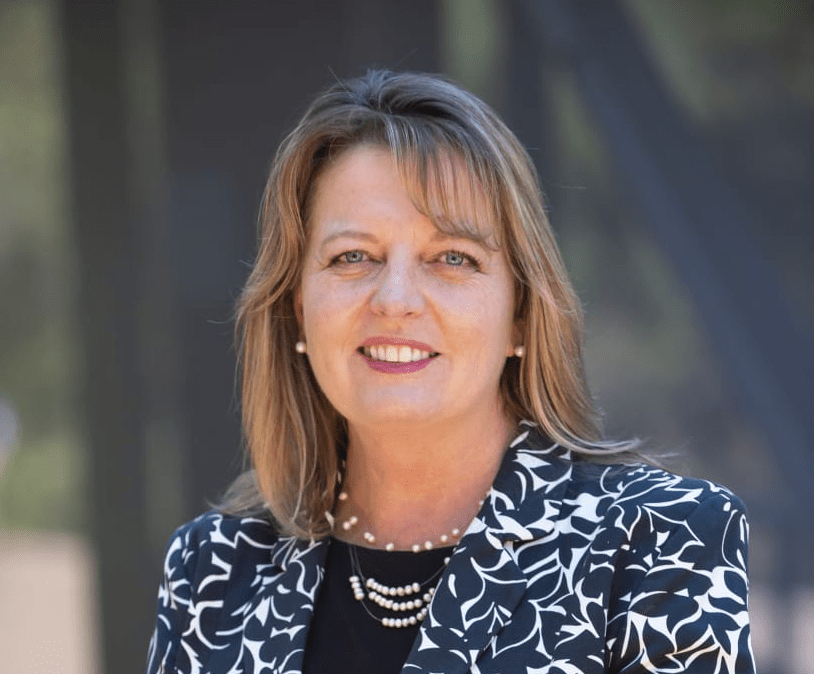
According to Tracey Henry, CEO of Tshikululu since 2008, significant changes have occurred in the sector’s professionalism and the requisite skills for effective social investment fund management. The increasing complexity, stringent governance frameworks, and emerging factors such as ESG considerations have driven this transformation. Henry emphasises the current focus on impact measurement and management to apply a sustainability lens to all investments.
“Sustainability comes before absolutely everything,” Henry asserts. For Tshikululu and others in the social investment space, sustainability is at the core of social impact, guided by development principles, a clear vision of intended outcomes, and continuous monitoring, evaluation and impact reporting.
Decision-making regarding where to invest, for what duration, and the funding principles guiding these decisions varies among funders. While long-term investments are increasingly common, short-term interventions remain crucial for immediate needs, as exemplified by the rapid response during the Covid-19 pandemic. However, for areas such as education, environment, job creation and livelihoods, a longer-term perspective is necessary for building thriving communities, adding complexity to social investment.
Henry notes the diversity in strategies and developmental approaches among social investors. Whether supporting a local initiative or participating in a national effort alongside government departments, each approach contributes to supporting thriving communities.
She underscores the paramount importance of sustainability and measurable impact, and stresses the need for transparency to assess on-the-ground realities. “The focus should always be about impact, and the voice of communities in shaping what success looks like is important.”
Partnerships and collaboration for impact
Tshikululu encourages building partnerships that leverage financial and other resources to scale social impact, a principle challenging to achieve but crucial for success. Henry reflects on the collaborative efforts made during the Covid-19 pandemic when corporates, civil society and social investors united, transcending sector boundaries for a common purpose.
As the country faces ongoing challenges such as youth unemployment, education issues, and gender-based violence, Henry advocates for continued collaboration. “Our country is facing numerous crises, and we need to pull together,” she says.
Grassroots impact: Beyond the glossy pages
Despite greater transparency in reporting social impact to stakeholders, the article raises a crucial question: What is happening at the impact level within communities? How do initiatives translate to individuals such as the child in the classroom, the girl facing challenges at home, or the youngster with dreams about their career?
These questions prompt a call for authentic reporting beyond the glossy pages, emphasising the need for a genuine and measurable impact on the lives of those directly affected by social initiatives.
The post The future of CSI appeared first on The Mail & Guardian.
TUT Academic Excellence Awards:

Celebrating the people behind ‘the people’s university’
Tshwane University of Technology (TUT) ended the year on a high note by celebrating excellence within its ranks at the 2022/2023 Academic Excellence Awards. Held on 29 November 2023 at the Maslow Time Square Hotel in Menlyn, Pretoria, the glittering event recognised top academics, researchers, innovators and support staff who exemplify TUT’s commitment to academic excellence and impactful research.

Hosted by South African media powerhouse Thami Ngubeni, the night delivered on its theme and presented lecturers, academics, researchers, innovators and support staff “A Time to Shine” as they took the red carpet ahead of the gala dinner.
In his opening address, TUT Vice Chancellor Professor Tinyiko Maluleke praised the award winners for helping redefine TUT as a unique institution “where industry and academia meet” over its short two-decade history.
University of humble origins
Maluleke traced TUT’s origins from three separate apartheid-era institutions segregated by race to today’s modern university, which leads in entrepreneurship and work-integrated learning. “You have, in 20 years of quiet but remarkable academic outputs, invented a distinct and unique TUT teaching and research brand,” he told the audience.

He credited award recipients and their TUT colleagues for their “concerted efforts and commendable research and innovation” that have helped TUT live up to its mandate as a “people’s university” focused on positive impact: “Look around you, because in this country, on this continent and elsewhere in the world, there is nothing quite like TUT. And you, my dear colleagues, researchers, lecturers and innovators, are the secret sauce. You are the value proposition. YOU are the unique selling point.”
A future-focused challenge
Amid celebrations, speakers also made calls to action — for both the institution and award winners. Maluleke noted that TUT has “not even begun to flex its muscles” and step into its full potential, saying excellence must remain an unrelenting pursuit.
Speaking in the middle of 16 Days of Activism for No Violence Against Women and Children, Maluleke also took a moment to acknowledge that it was up to every person and every institution — including institutions of learning — to play their part in ending this “silent war” against society’s most vulnerable members.

This, he said, was not just a challenge to better society; it was one to better the institution. “GBV is not a problem out there, it is a problem in here; here in the university, here in the workplace, here in the classroom and laboratory and in the curriculums we teach, the materials we prescribe and the research methodologies we employ and deploy.”
He noted that today’s complex challenges require institutions of higher learning to increase their research and innovation impact, “especially if necessity truly is the mother of invention”. Along with the scourge of gender-based violence, he named global pushes for sustainability and environmental preservation as issues requiring urgent academic attention.
This, he added, should not be disheartening: “While you, as individuals and as groups of researchers, have recorded remarkable achievements already, there is so much more to do.”
“While there will and there must always be room for blue sky research, the ultimate test of all research, all curricula, all innovations, all entrepreneurial ventures, all quantitative and all qualitative research is the extent to which these will advance environmental sustainability, as well as the extent to which these will contribute to the prevention and elimination of violence,” he explained.
Collaborative excellence
He acknowledged the efforts of each person in attendance for their role in crafting and deploying, in consultation with industry partners, a flipped classroom that has set TUT on its trajectory to become the premier entrepreneurial university in the country, an institution “where innovators, creators and future-ready graduates are made”.
Speakers emphasised that excellence depends on collaboration, passion and relationships across all facets of the institution. Deputy Vice Chancellor Ben van Wyk singled out the “security personnel, maintenance staff, IT specialists and administrators” who play essential but often overlooked roles in delivering top-notch education. “Our pursuit of the objectives of a knowledge-centric institution necessitates the concerted efforts of diverse stakeholders,” he said.

The annual Academic Excellence Awards is just one way that the university fosters a culture of dedication and compassion while showing its appreciation for those dedicated to “the extraordinary endeavours on display, often forged amid arduous, tumultuous and demanding circumstances”.
Impactful research
Deputy Vice-Chancellor Dr Papa-Zamxaka echoed this in her address. She noted TUT’s impressive recent research growth — including a record of more than 900 research outputs submitted in 2022, more than double previous records, and a 20.37% growth in its number of rated researchers — “would not have been possible without the commitment, sacrifices and passion” of diverse research and support teams across TUT.
She said the days of universities standing as monuments to the elite are long gone; instead, it was the role of institutions like TUT to avail themselves to address societal problems. “As a development-oriented university priding itself in producing future-ready graduates and impactful research, it remains our imperative commitment to assisting the country in addressing socioeconomic challenges, and this must be reflected by the work of our academics.”
These awards should inspire and refuel our energies as the world continues to face global disruptions. “We are grateful for your efforts in continuing to raise the TUT flag high, and we know that your achievements will continue to inspire others. It is through you that the African philosophy of ubuntu is reflected in our university,” she said.
Awards spotlight shining stars
The highlight of the evening was recognising standout talent across teaching, research, innovation and university citizenship. Top honours included Lecturer of the Year awards for each faculty and the Institutional Lecturer of the Year Award to Veronique Bosch of the Faculty of Science. The Institutional Lifetime Achievement Award went to Professor Felix Dakora, also from the Faculty of Science. The award for SDS Practitioner of the Year went to Kobus Fourie, while Development Practitioner of the Year was awarded to Anna Ngoloyi. Albert Sekgobela took Employability Practitioner of the Year.
The event also recognised staff members who achieved new qualifications, including 38 Master’s degrees and 31 Doctoral degrees. Each of the 69 staff members who improved their qualifications were given special mention, affirming TUT’s commitment to celebrating excellence within its ranks, and reaffirming the university’s trajectory to take the institution, its staff and its students “from good to great”.
Other award standouts were the TUT Sunchaser Solar Car Team and AI Hub. They received accolades as the Institutional Newsmaker and Institutional Newsmaker Merit winner respectively for generating positive attention in 2022. The winner of the award for Service Beyond the Call of Duty went to JM Nkambule.
Excellence as an ongoing pursuit
The evening closed on a high note. Award winners and guests enjoyed a spectacular opera performance by world-class TUT alumni and opera-singing power-couple Bongile Madlala Musa and Lehlohonolo Musa. Their powerful renditions capped a night filled with TUT talent.
In closing, TUT leaders like Vice Chancellor Maluleke challenged award winners to continue pursuing greater impact amid global disruptions. The awards showcased TUT’s ethos of celebrating stellar work while continually striving for greater influence. As Prof. Maluleke stated, “Academic excellence awards are not retirement awards” but are rather “intended to rejuvenate you and to spur you towards greater heights.” TUT progresses by expecting exceptional efforts today that light the way towards an even better tomorrow.
The post TUT Academic Excellence Awards appeared first on The Mail & Guardian.
Submit and get free exposure here: Showcase Your Business | Advertise Your Special Offers.
