
Luxury timepieces are ticking … watch this space:
‘There will always be people who appreciate the centuries of heritage and fine craftsmanship that go into a luxury watch’
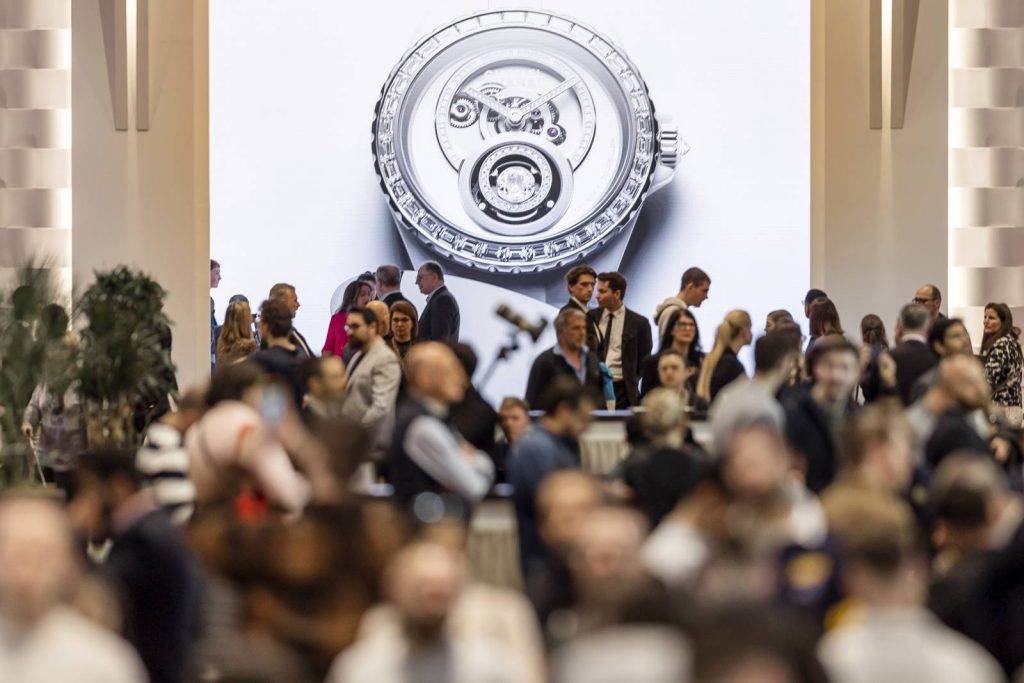
The luxury watch world is showing no signs of slowing down this year. The Watches and Wonders fair in Geneva, Switzerland, which wrapped up early this month, had a record-breaking 43 000 visitors who marvelled at the latest horology creations from top brands such as Rolex, Cartier, Patek Philippe.
The pageantry of a watch trade show tells us the world of fine watchmaking sits comfortably on craftsmanship and fantasies of class and prestige. Buyers, retailers and media from all over the world descended on Geneva to see the latest creations from the most desirable brands.
“People have been really starved of touch and feel. During the Covid-19 lockdown, retailers ultimately only got to see the end product when it arrived for the watch client,” says Yvonne Shaff, managing director of YourLuxury Africa, the only South African publication at the fair.
A fair like Watches and Wonders is similar to Apple launching a new iPhone, with collective excitement and appetite for the latest releases. Some people follow fashion, others follow watches or collect sports cars as these are hugely collectible and good investments.
Watchful eyes
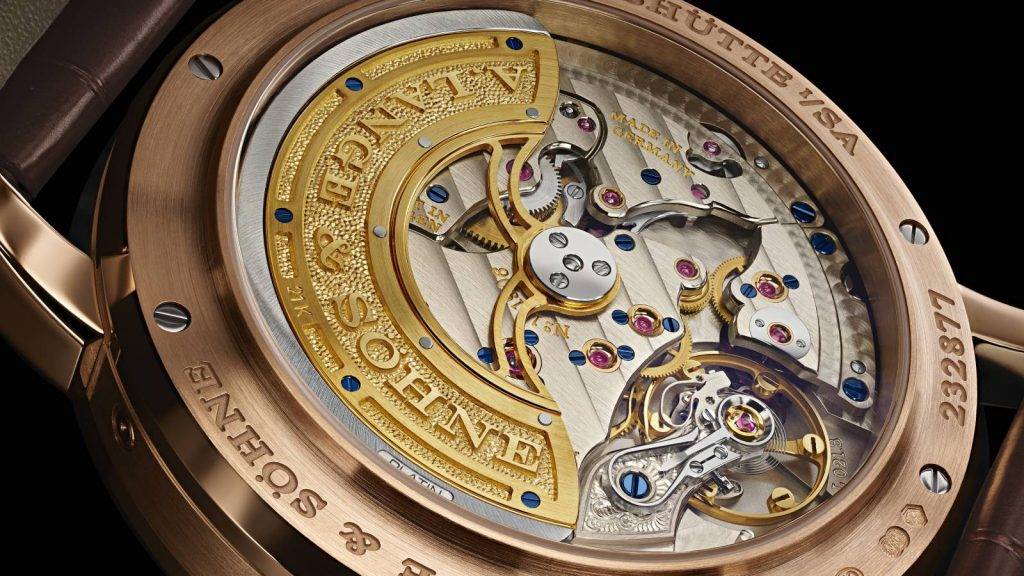
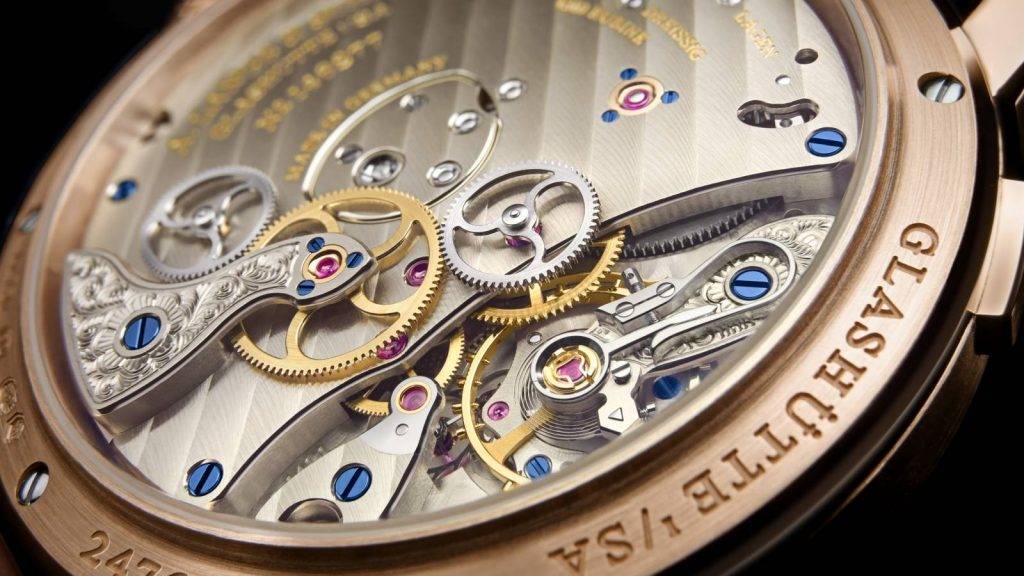
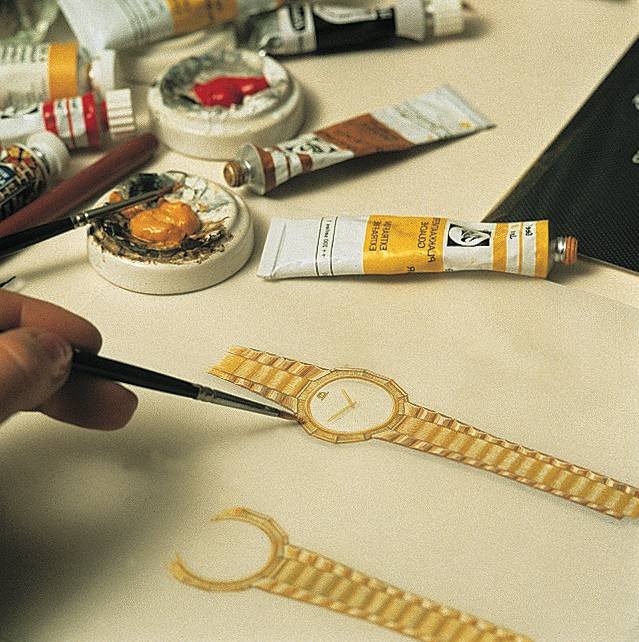
Historically, the watch industry has lived in a very small part of the world with factories and workshops in valleys in Switzerland supplying beautiful watches to the global luxury world, says Jacquie Myburgh Chemaly, editorial director of YourLuxury Africa.
“Once a year, there is a showcase for all luxury watch brands to introduce what they call their ‘novelties’.
“Similar to a fashion designer who produces a new collection every season, the watch industry produces new novelties every year and that’s what they present at this trade show,” says Myburgh Chemaly.
Typically, trade shows are industry gatherings that showcase the latest innovations and trends to help industry players plan for the year ahead by breathing fresh air into products, she explains.
In the last week of the shows, members of the public can attend. Perhaps inviting visitors from the public to a watch trade show is a clever move to downplay the industry’s reputation for being hyper exclusive.
Like other forms of jewellery, watches are seductive with their bejewelled bezels, brushed metals and vibrant dials and straps in gold, platinum and leather.
Watches and Wonders says the rapidly growing global watch market is worth $ 27.7 billion, with 8?000 customer booked to visit watch retailers after the show.
The challenge now is competing for the attention of both established watch collectors and a new generation of fans with different buying criteria, such as sustainability, transparency and a love of collaborations.
To compete with the glitz, glamour and marketing budgets of other industries, watch brands have had to go beyond displaying their wares in Geneva windows. For example, the Breitling Kitchen restaurant represents the brand’s foray into the world of hospitality. This emerging trend among luxury brands is bringing new meaning to the word “tastemaker”, with Prada and Louis Vuitton opening their own eateries of late.
In South Africa, the recently opened Ocean Mall Platinum Walk in Durban joins Sandton City’s Diamond Walk as a luxury destination featuring Gucci and Versace boutiques, says Myburgh Chemaly.
“It’s evidence of a growing luxury market. It stands to reason with the economy that there are people here who have an appetite for luxury lifestyle and who have travelled enough to develop awareness about luxury brands’ quality, heritage and the craftsmanship,” she explains.
Among the hundreds of novelty watches available at Watches and Wonders, there are orders from South Africa for Rolex, Tudor and Patek Philippe watches, says Shaff.
Luxury watches don’t come cheap. Some of the novelties at Watches and Wonders will set you back over R4 million. A new Cartier Tank Normale is priced at R1.9 million and a Chanel Première Robot is R459 000. But what do these creations tell us besides the time?
It’s hard to tell whether people buy watches purely as status symbols or because of a genuine respect for horology — or both.
“There is always going to be someone who is impressed by a designer handbag and there will always be people who appreciate the centuries of heritage and fine craftsmanship that go into a luxury-brand watch,” says Myburgh Chemaly.
Watch this space
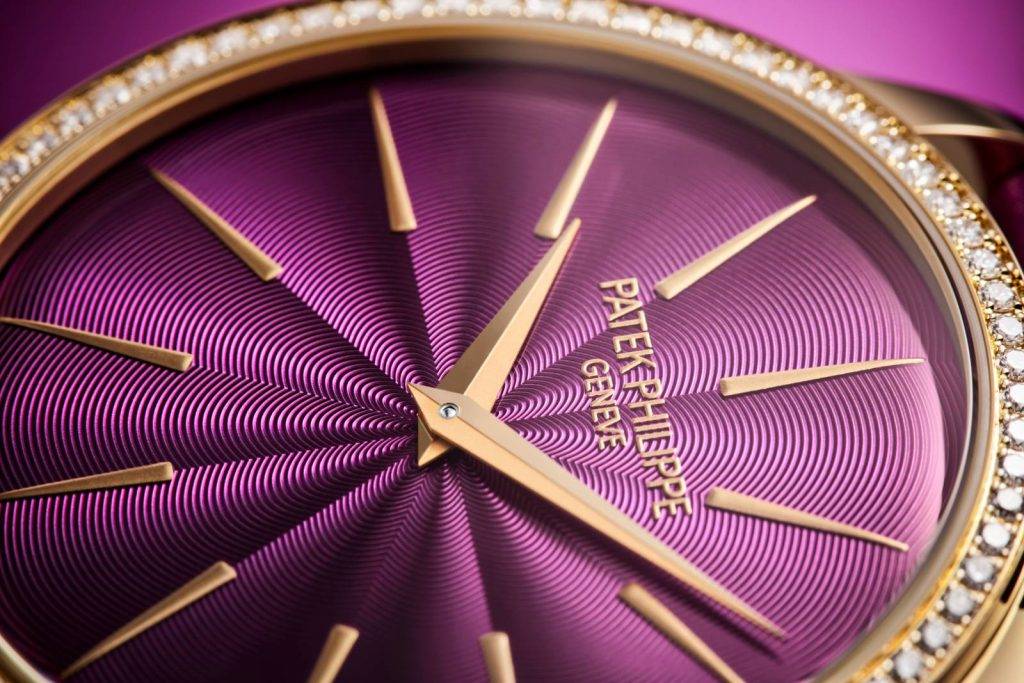
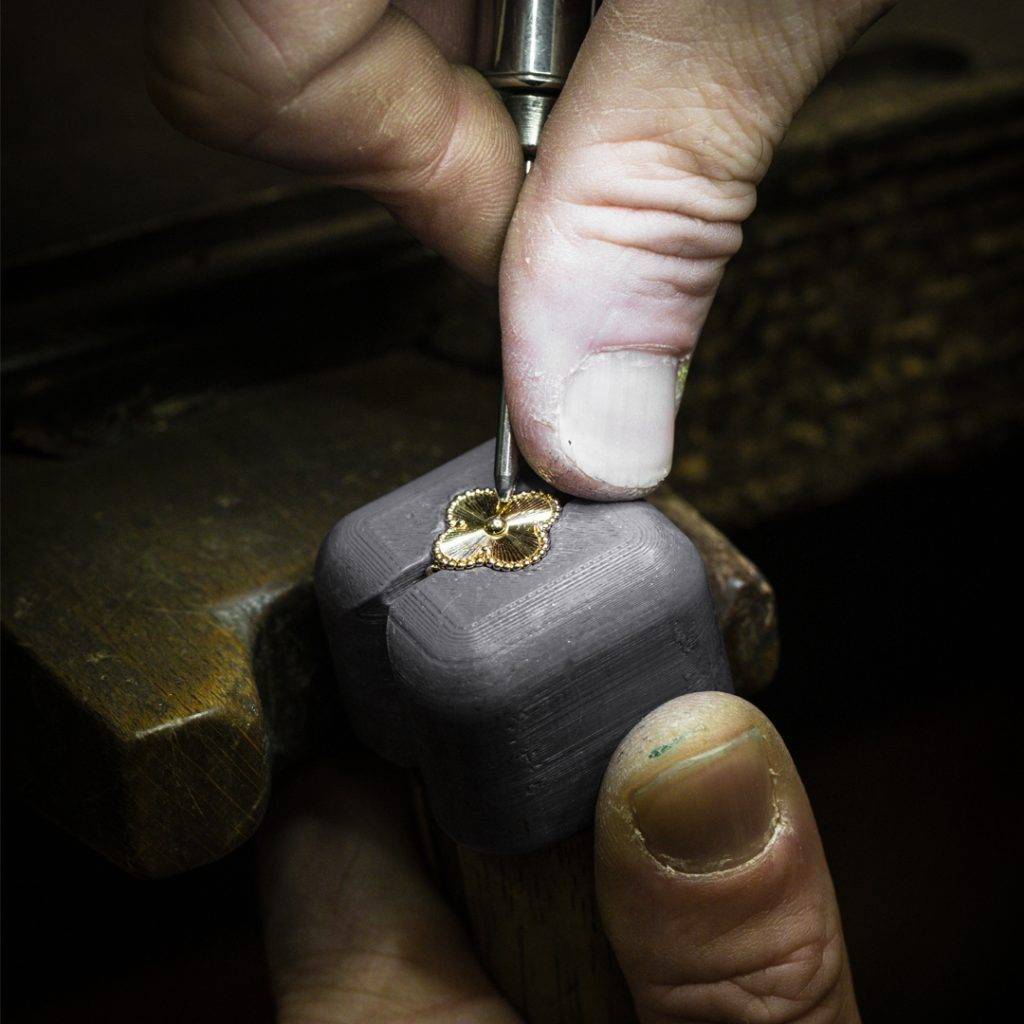
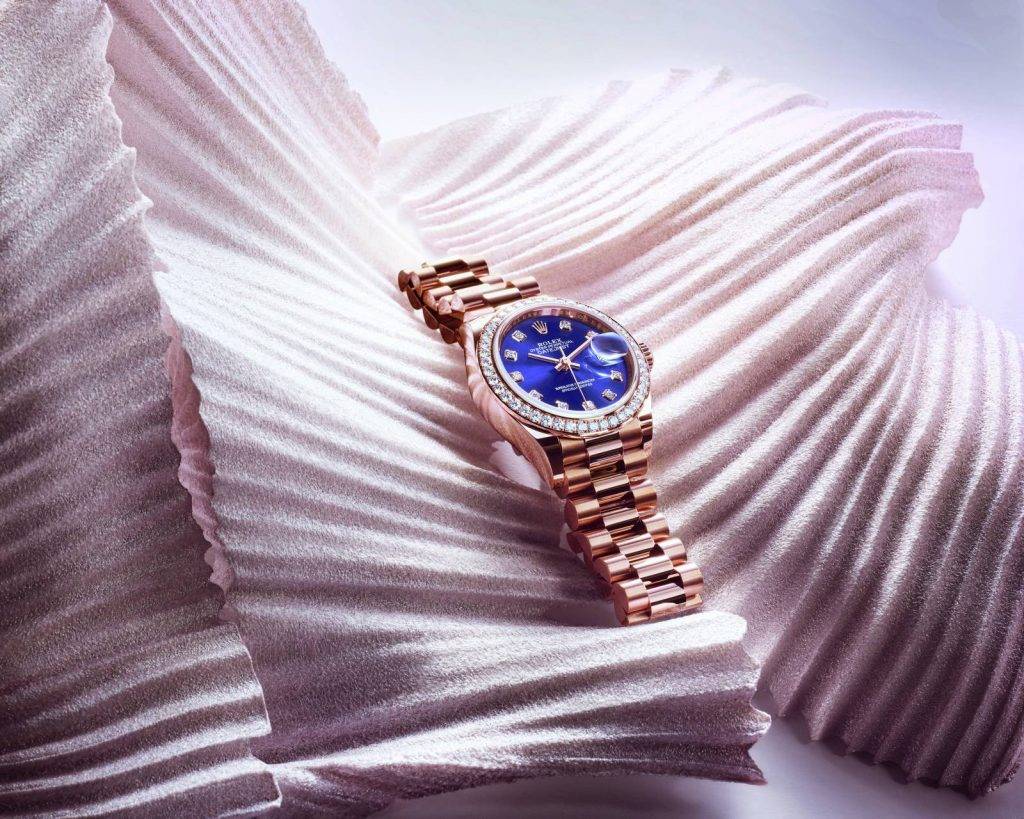
However, watch aficionados aren’t limited to buying brand-new pieces — the global secondhand market is said to have a value of $ 22 billion.
South African secondhand retailer Luxity says the watch market has often outperformed other luxury segments over the past two years.
South Africa’s watch market mirrors those of Europe and the US in terms of trends and what brands local consumers focus on, says Luxity cofounder Michael Zahariev.
“I think the interesting thing in South Africa is we see many of the same trends as Europe and America. We see Rolex being one of the biggest brands and the most sought-after. But you also see other brands, like Tag Heuer, perform much better locally because it is a more entry-level segment,” says Zahariev.
Although secondhand watches are often cheaper than new ones, 70% of Luxity’s clients pay off their purchases, which are in the R4?000 to R295?000 range.
Local buyers of secondhand watches tend to be between 35 and 50 years old.
“[Secondhand watches] are a bit more affordable and we are talking more than entry-level brands. They are still much more expensive for South Africa from an affordability point of view, so we haven’t seen the younger demographic getting into it,” says Zahariev.
All the items sold by Luxity are bought in South Africa. Often, when customers sell their products to stores like Luxity, they are not doing so to generate income but to clear space in their collections, he says.
Clocks with clout
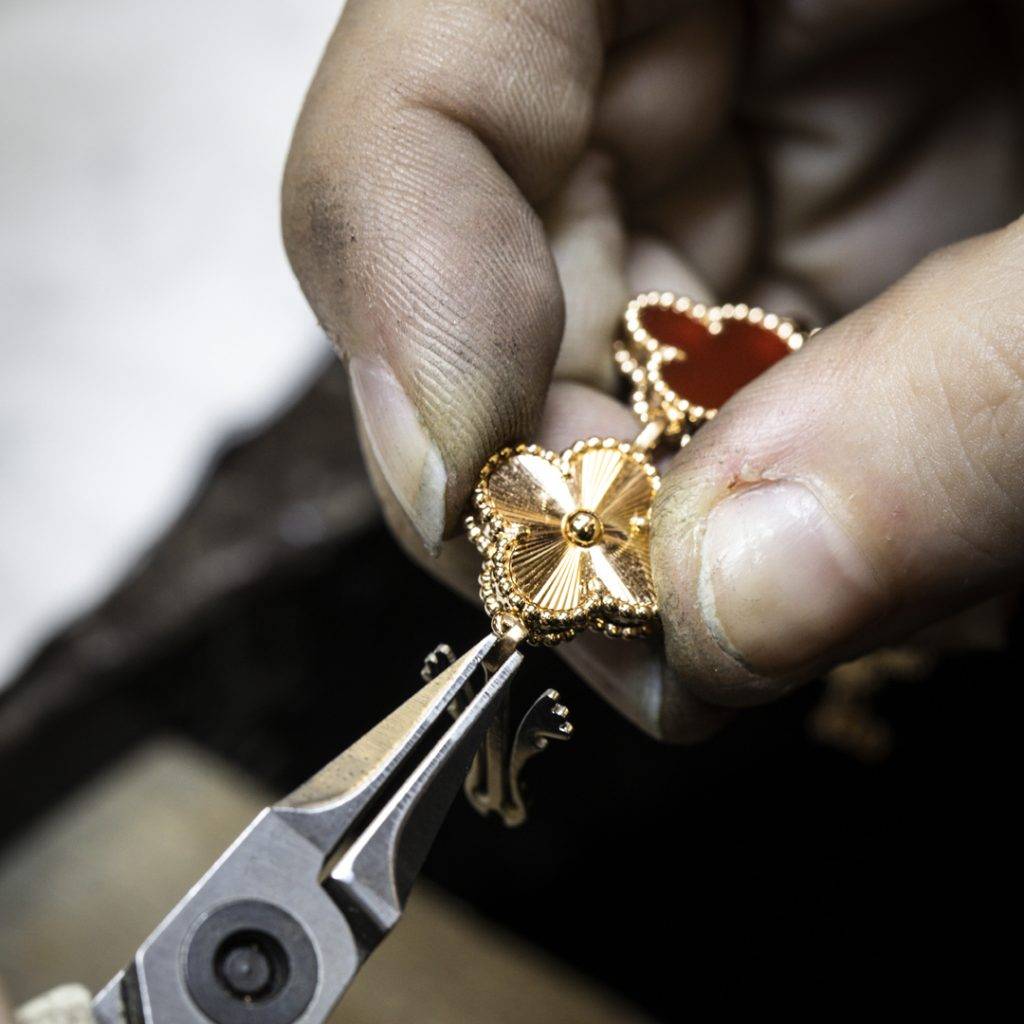
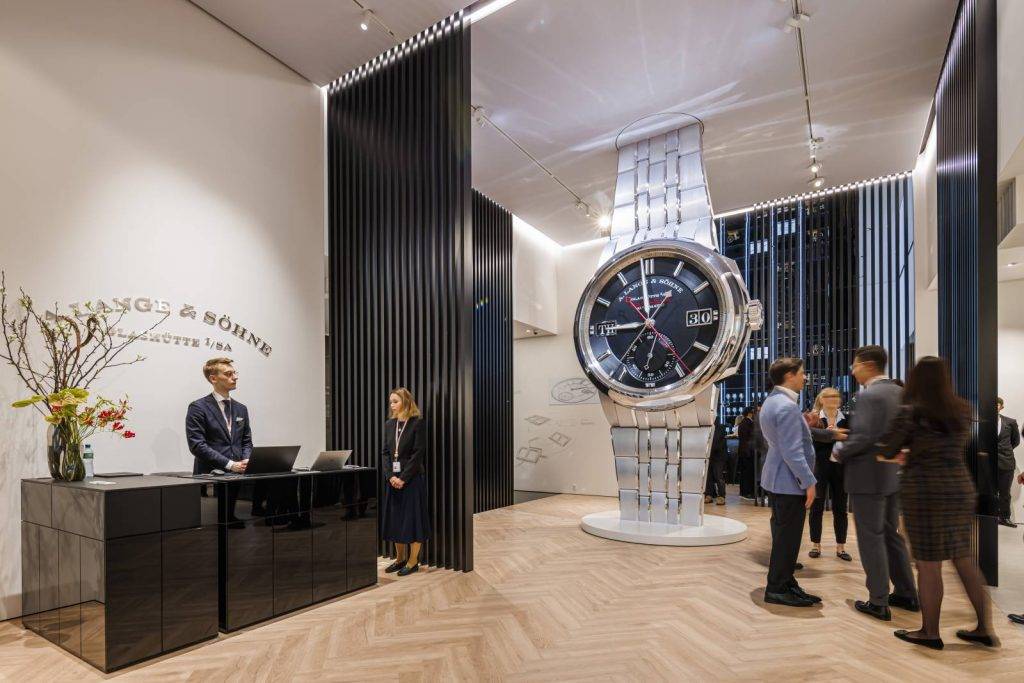
It is no secret that a luxury Swiss-made watch can be a hefty symbol of wealth, status and a taste for the finer things in life. Most luxury watch boutiques in South Africa offer customers the choice of being escorted to their cars by security.
The fact that the tastes of South African watch buyers align with wealthy international clients points to our local style of conspicuous consumption, at almost any cost. Social media accounts dedicated to watches have perpetuated the desire for watches in the age of hype.
Superwatchman, an Instagram account with 750?000 followers, posts pictures of Formula One drivers wearing their watches and includes their mega price tags. Dimepiece is dedicated to sharing women wearing luxury watches to its 40?000 followers.
“It’s a seemingly small world of horology, but when you look at the money, effort and time spent [at Watches and Wonders], it is incredible,” says Shaff.
“There was an incredible exhibition called the Rare Handcraft Exhibition by Patek Philippe in Geneva, with the most wonderful legacy timepieces from the past.”
Both Luxity and international reseller Rebag allude to the growing demand for Cartier’s iconic Tank watch. Its renaissance is seen via Instagram accounts and the wrists of influencers and celebrities such as American actor Donald Glover and late boxing legend Muhammad Ali.
Today, a watch might seem redundant when the screens we look at all day have a convenient digital clock in the corner. However, it’s the appetite for luxury that keeps the watch world ticking.
“Post the pandemic, the watch industry has had a lot of new developments. Especially with Asia being some of the worst affected, now is the first time the Asian media and buyers can be face to face; it’s a huge market,” says Myburgh Chemaly.
With the growing appetite for luxury goods, jargon terms such as “chronometer”, “brushed materials” and “deployant clasp” are being bandied about. It often distinguishes those who can afford a R4 million Patek Philippe from a boutique from someone buying a used Rolex online.
Picking a “timepiece” is a subjective choice at the end of the day, with endless sizes, materials, date formats, shapes and brands to choose from.
The accessibility of secondhand watches, paired with social media hype, has turned Swiss-made watches into must-haves, instead of nice-to-haves. This has helped redirect the feel of wearing watches away from James Bond suaveness to a fashion-forward choice of accessory.
Yet, the notion remains the same across the board — my time is more important than your time.
The Omoda is the Chery on top:
The number of Chinese cars that have taken to local roads in recent months is unprecedented. Chery has set the bar slightly higher than the rest, thanks to its impressive Tiggo lineup.
And now the brand is expanding with a slightly more stylish offering. You may have already seen the Omoda nameplate at your local shopping centre or at the 2022 Festival of Motoring at the Kyalami Grand Prix Circuit in Johannesburg. I recently got behind the wheel of the Omoda C5 compact crossover.
Exterior
The one thing I hear most often from friends and family is that Cherys look cool and this holds true with the Omoda.
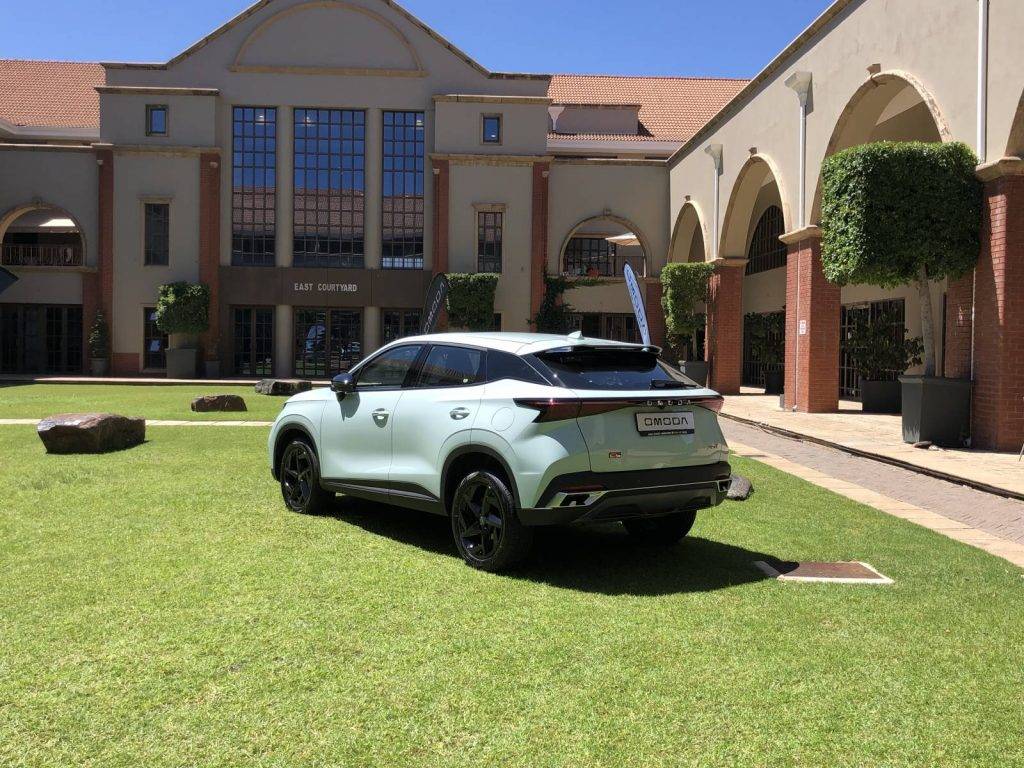
It is a good-looking vehicle, with an aggressive, futuristic front end. The side profile is sleek and has a sporty touch, which I was fond of.
Even the back end is head-turning. The use of LED lights and red accents gives onlookers a reason to do a double-take.
My only real criticism of the exterior is that the wheels could be slightly bigger — they seem to drown in those large arches — but I was looking for something to fault.
Interior
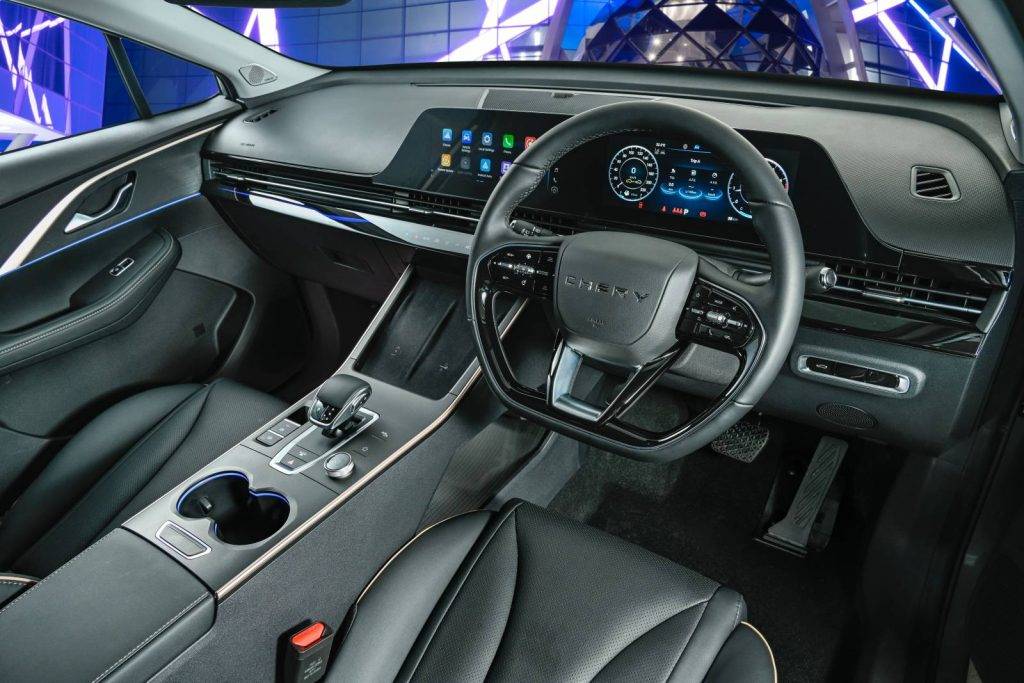
Sitting in the Omoda is a cool place to be. The highly customisable 10.25-inch infotainment display sets the scene for this tech-savvy car. The rather basic centre console follows the Chery trend by housing the control units for items such as the air conditioning and driver assist in the infotainment menu itself.
Despite its compact appearance, there is plenty of space inside and it can comfortably fit five people.
The floor mats are made of a rugged rubber material which, although they seem a little out of place, are perfect for easy cleaning and keeping the car’s floors in good condition.
The seats are the first thing you see when you get into a car and the Omoda C5’s are a striking design with unique stitching that many might consider premium. The seats are one of my favourite features. They are sporty and aesthetically pleasing with good support and comfortable positioning.
The sunroof is a nice touch on an interesting interior.
Driving
In keeping with Chinese tradition, the Omoda has the familiar 1.5-litre turbocharged 4-cylinder petrol engine found in the Chery range.
It has decent power but isn’t particularly frugal and it makes a fairly coarse sound when you rev it. Although it has a claimed fuel consumption of 6.9 litres/100km, I struggled to get the reading into the 7s.
The motor gives 115kW and 230Nm, which doesn’t leave you wanting much more.
The C5 comes with two driving modes, Eco and Sport. This makes for a customisable driving experience as you can change the steering feel, ride quality and throttle response. The ride quality is good and driving this car is a pleasurable experience.
There were, however, a few aspects where the model could be better. I found there is plenty of road and wind noise intrusion — significantly higher than what I have experienced in other Chery models.
Ownership
The Omoda C5 comes in three price tiers, the cheapest being the Tech at R447 900, which gives you fabric seats and 17-inch wheels as standard.
The second option is the Elegance at R507 900, which adds leather seats, climate control and all the benefits of the Advanced Driver Assist System.
The final option is the Elegance S, at R509 900, which features red exterior accents which will ensure you stand out from the crowd.
It comes as standard with a five-year/70?000km service plan and a mechanical warranty of five-years/150?000km, which is confidence-inspiring.
This car sports a five-star safety rating with six airbags and enough driver assistance to make sure your teenager arrives safely.
Conclusion
One of the biggest deciding factors is in the price sticker. It is a relatively affordable car with edgy styling, tech and decent build quality.
I did find that there were a few areas that needed improvement, particularly around the driving experience, such as the wind noise and the vague steering feel.
On the whole, Chery has produced a desirable vehicle which turns heads at an affordable price.
I would not be surprised if we see this stylish, compact SUV taking to the roads in droves.
Creecy: Just five of 87 ranger posts at Kruger Park have been filled:
In one year, the management of SANParks has only filled five of the vacant 87 ranger posts at the Kruger National Park.
This emerged in a recent response to a parliamentary question by Dave Bryant, the Democratic Alliance’s representative for forestry, fisheries and the environment to Barbara Creecy, which followed on from an answer by Creecy last year.
The minister of forestry, fisheries and the environment said that to date, five positions had been filled. “Interviews have been conducted for nine ranger positions and appointments for all nine positions are being finalised,” she said. “Specific filled positions include the following, namely one field ranger sergeant, three field ranger corporals and one field ranger lance corporal.”
Bryant had asked Creecy, too, whether a deadline had been given for the filling of the posts and whether her department had made provision for funding the outstanding posts. Creecy said, “Owing to the recognition of prior learning process, the deadline to fill all the prioritised positions within the ranger services is 30 June 2023.
“Positions are budgeted for and filled when funds become available. Provision is made in the 2023/24 budget for prioritised positions across the entire organisation, not only for ranger positions.”
In her reply last year, Creecy said that of the 87 vacancies in ranger services, 51 had been vacant for more than five years, and 36 had been vacant for less than three years. “Of the 87 vacancies, 30 exist among the positions of team leaders, storeman, store assistants and general workers.”
According to Bryant, filling the ranger posts will help contribute towards fighting the poaching of wildlife, in particular rhino. “The rhino population of Kruger National Park continues to plummet as a result of the international criminal syndicates smuggling horns into China.
“It is now essential that more funding be prioritised towards filling the remaining 82 vacant ranger posts as a matter of urgency, to assist in the ongoing fight against rampant rhino poaching and the associated criminal syndicates. There can be no excuse for not filling these critical positions,” he said.
Last month, the Mail & Guardian reported on a new report by Enact, which found that the national park’s most pressing problem is internal corruption.
This is a symptom of a breakdown in trust, staff cohesion and professionalism in the park, said the report’s author Julian Rademeyer, the director of East and Southern Africa at the Global Initiative against Transnational Organised Crime.
He said Kruger is severely affected by corruption and violent organised crime, particularly in Mpumalanga, where staff living in surrounding areas are vulnerable to entrenched criminal syndicates, he said.
Submit and get free exposure here: Showcase Your Business | Advertise Your Special Offers.
