Preschoolers falling through the cracks:
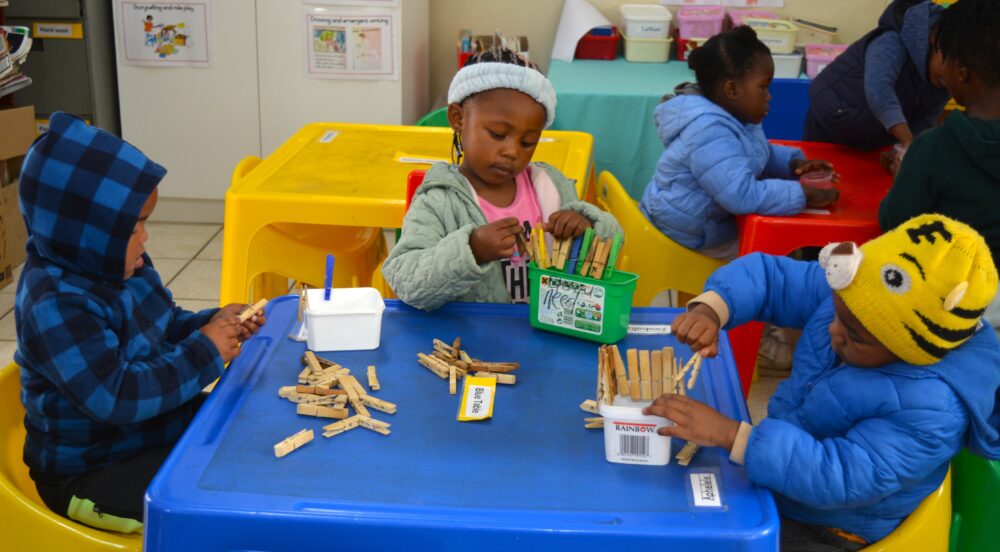
‘They just sat there. Some were so trussed up in their thick winter jackets that they could barely move.”
These are the heartbreaking conditions related to me about a crèche for children in Makhanda.
No outdoor play was allowed, donated toys remained behind lock and key. Working parents had entrusted their children to the care of someone running an ECD centre, but it would probably have been better for the children to be playing at home or in a neighbour’s yard.
At least they would have the freedom to explore and learn.
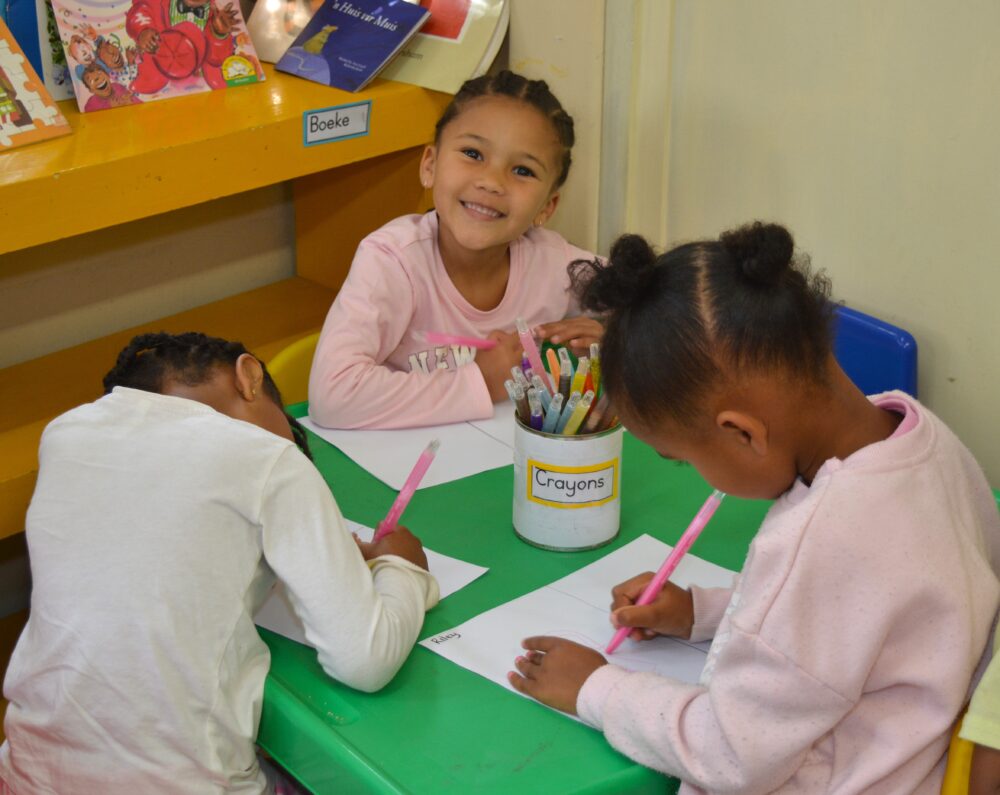
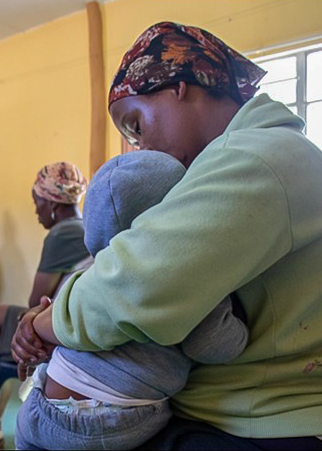
But picture this instead: In a modest shack behind a Makhanda nursery school’s swings, 12 mothers sit in a circle laughing as their toddlers explore handmade toys on dusty floors. The mothers are learning something profound: that playing with children can change everything.
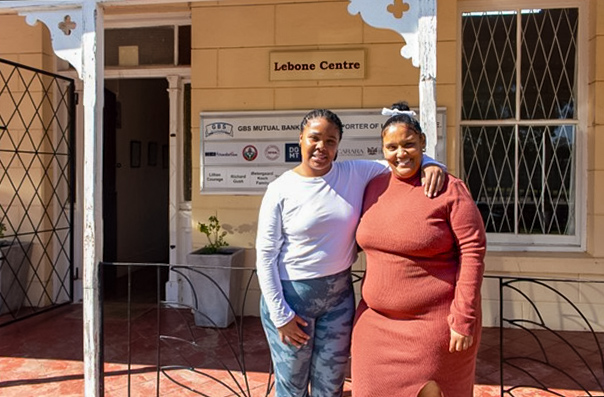
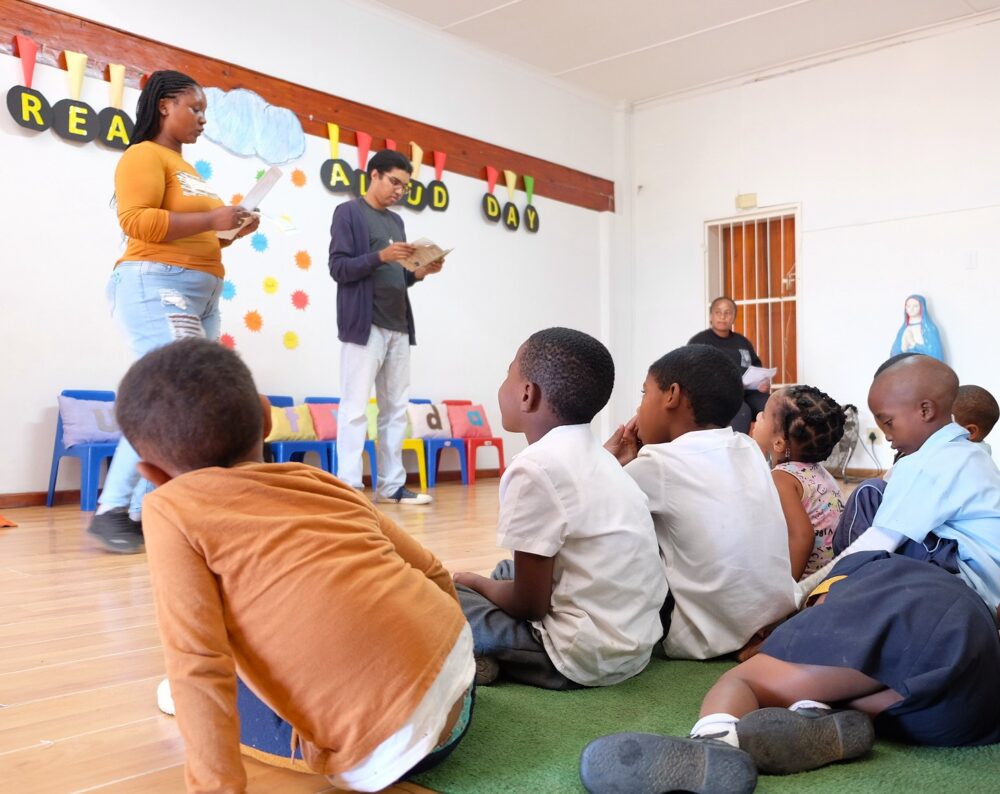
The Playmat session is facilitated by the Lebone Centre’s Kaylynne Rushin and Akia Lucas.
“Playing with your child doesn’t need to be expensive; it’s all about the bond and the skills they gain from it,” Rushin says, taking out handmade plastic balls and picture books made from cereal boxes and magazine pictures they taught the parents to make.
Laughter echoes through the room as they begin to play, sing and dance.
“It has helped me love my child,” says Olwethu Mphofu. The advice and encouragement she gets from the sessions help her sustain an environment of love and support for her child. “In the next 15 years, I will see my child at Rhodes University.”
Another mother, Laurene Jackson, says: “My daughter struggled with her development; she couldn’t speak properly and then there was a stage where she couldn’t walk. But we joined the programme and everything got better. She started walking, started growing. Now she is five, and she can count to 100.”
The funding crisis
Early childhood development (ECD) is a term that is being bandied about a lot these days. Minister of Basic Education Siviwe Gwarube has allocated additional funds for ECD centres to register through the Bana Pele Mass Registration Drive and receive an increased subsidy. A good start. But much more needs to be done.
The budget figures bear this out — R332 billion was allocated to primary and secondary education this year, while another R142bn was allocated to tertiary education (plus R55bn for NSFAS and R42bn for skills and vocational training).
But ECD gets around R10bn. That means ECD gets just 1.8% of the national education budget.
It implies that pre-school children are “lesser beings” — “residual” persons without full human rights and somehow unworthy of proper developmental and educational support.
The Thrive by Five Index 2024, the largest survey of preschool outcomes in South Africa, paints a grim picture: Only 42% of enrolled 4-year-olds are on track for early learning, with children in higher-fee centres faring better (69% on track in high-fee ELPs vs. 34% in low-fee). Alarmingly, 7% show signs of moderate or severe physical stunting, linked to long-term cognitive delays.
For the 30% of 4-year-olds not enrolled in ECD centres — around 350 000 children — the risks are higher, with a sub-study revealing that just 18% are on track in early learning and 18% are stunted.
The indices confirm that hunger and malnutrition remain widespread. Equally alarming is the statistic that shows most teachers and parents were unaware that their children were falling short of learning milestones. That is not good news.
Quality varies wildly
The well-known African adage, “It takes a village to raise a child”, implies that a child is part of an ecosystem of support that various role players contribute to.
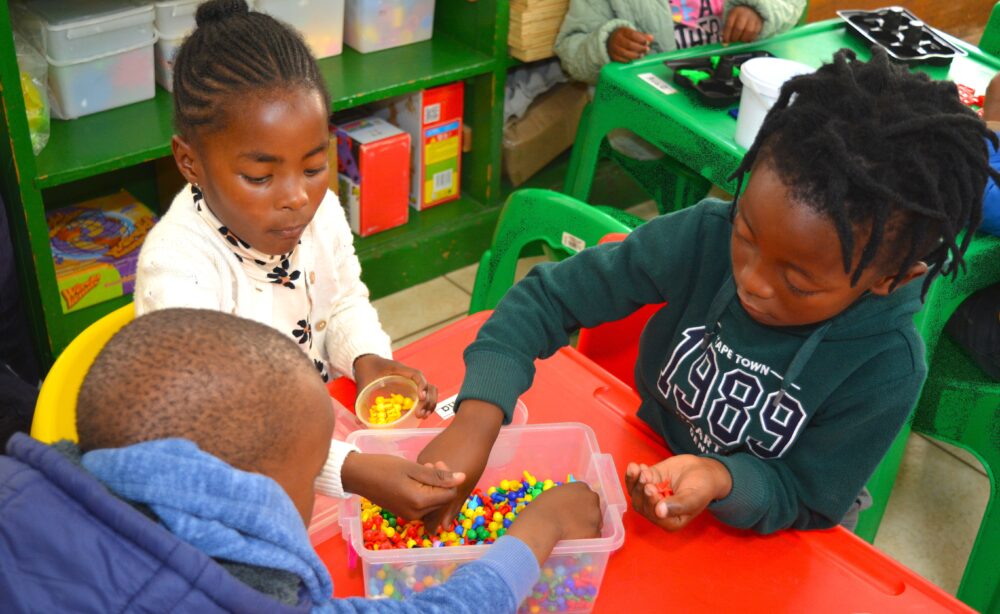
It’s bad enough that most children are not enrolled in preschools, but crèches and ECD centres also vary greatly in quality. Some are well-run facilities with good learning programmes; others are little more than holding pens.
But even some of the great ones don’t get support. Kate Kooson, an educator at the All for Christ ECD centre in Makhanda, has run her preschool for 10 years. Attempts to secure government funding have been unsuccessful.
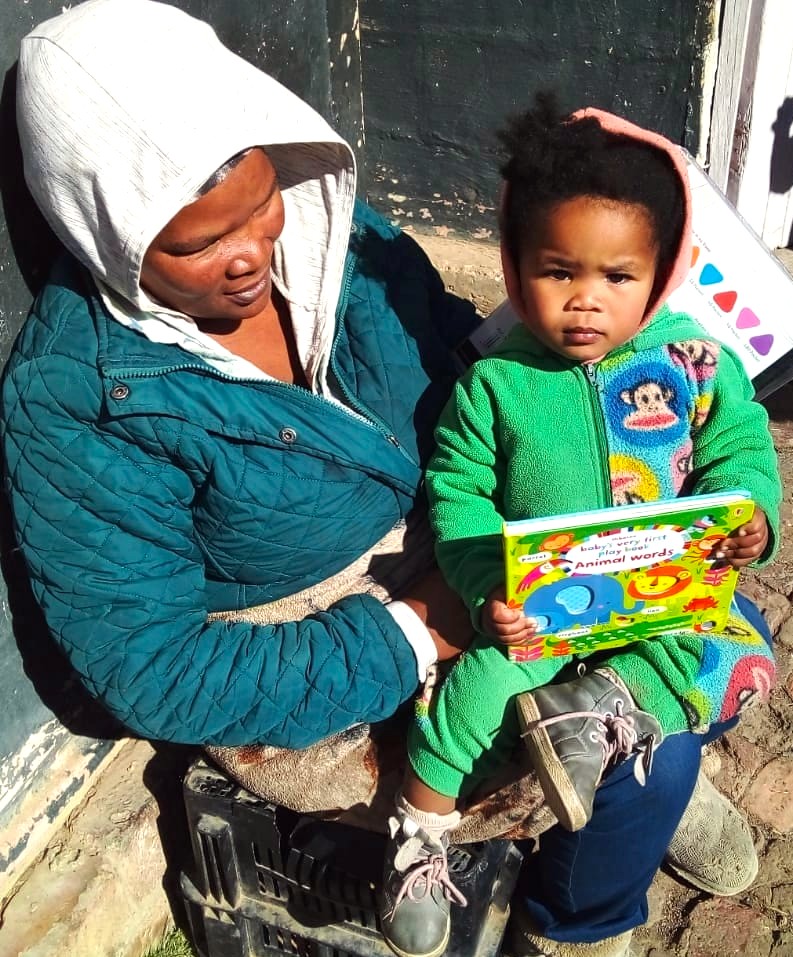
Many NGOs do their best to support ECD centres, but their resources are limited, and one of the hardest nuts to crack remains parental involvement.
Naycan Ferreira, from Rhodes University Pre-school in Makhanda, has witnessed this divide firsthand. She describes two groups of parents: those who are “eager” to know about their child’s progress, and others who consider it “insignificant”.
Perhaps the answer lies in finding new ways to communicate. Most families have cellphones. A myriad resources can be shared in this way.
Naycan says, “If we are doing a certain theme or activity at school, we share our outline with the parents so that they know we’re busy with pets now. At home, the children will take what they’re learning and apply it with the help of the parents.”
She says staff attend training sessions where they learn subject matter and pedagogy, but “what they lack is teaching us how to effectively communicate with parents”.
What good ECD looks like
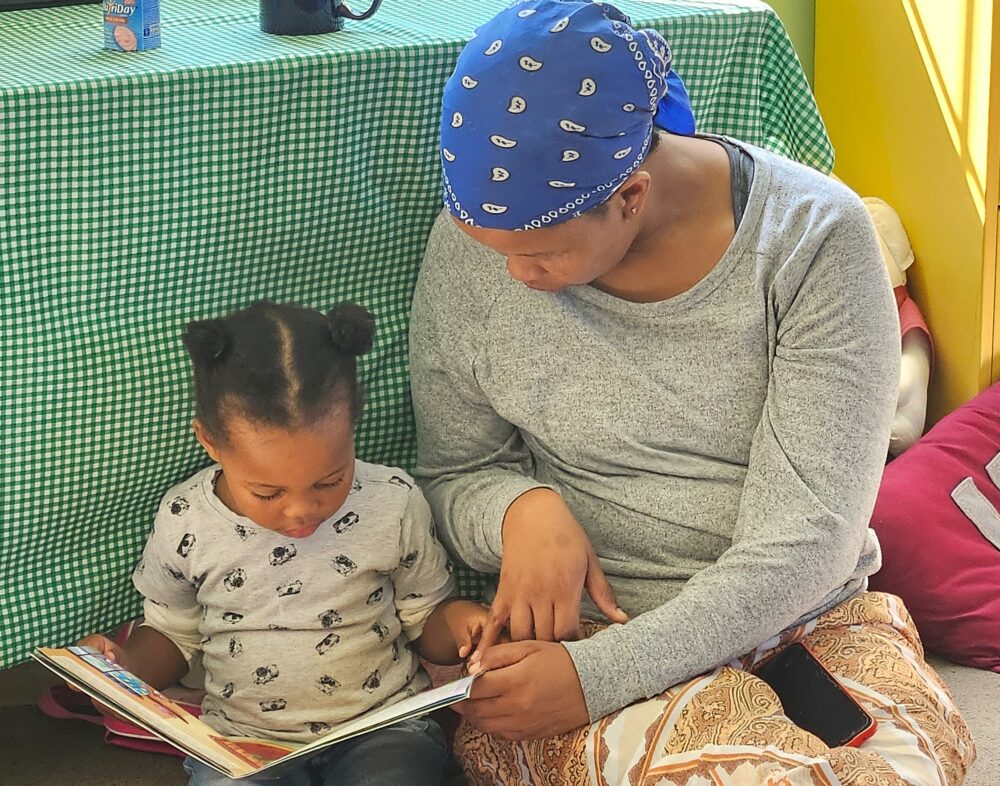
There needs to be widespread acknowledgement that learning through play is critical; that helping children to “read” their world and tell their stories is a vital step in their literacy development.
Early exposure to books, stories and language is equally important. Neuroscientists tell us that this helps lay the pathways in the brain that are needed for reading and writing. Tactile experiences such as planting and watering, and playing with wooden blocks are also crucial.
Early language development scholars talk about emergent literacy, which implies that it is a process that unfolds over time, beginning in the early years when about 80% of a person’s neural pathways are laid down. This puts an end to the idea that children suddenly learn to read and write when they start school.
Yes, it is the Foundation Phase teacher’s task to put the pieces of the puzzle together, but the building blocks need to be put in place long before.
There is growing recognition that the First 1 000 Days of a child’s life are crucial. Lebone Centre, a Makhanda NGO, is one of the organisations that has focused on this through its #EveryBabyMatters programme. Awareness-raising sessions are held at community clinics, followed by a home visiting programme that helps mothers understand and implement responsive caregiving and early stimulation.
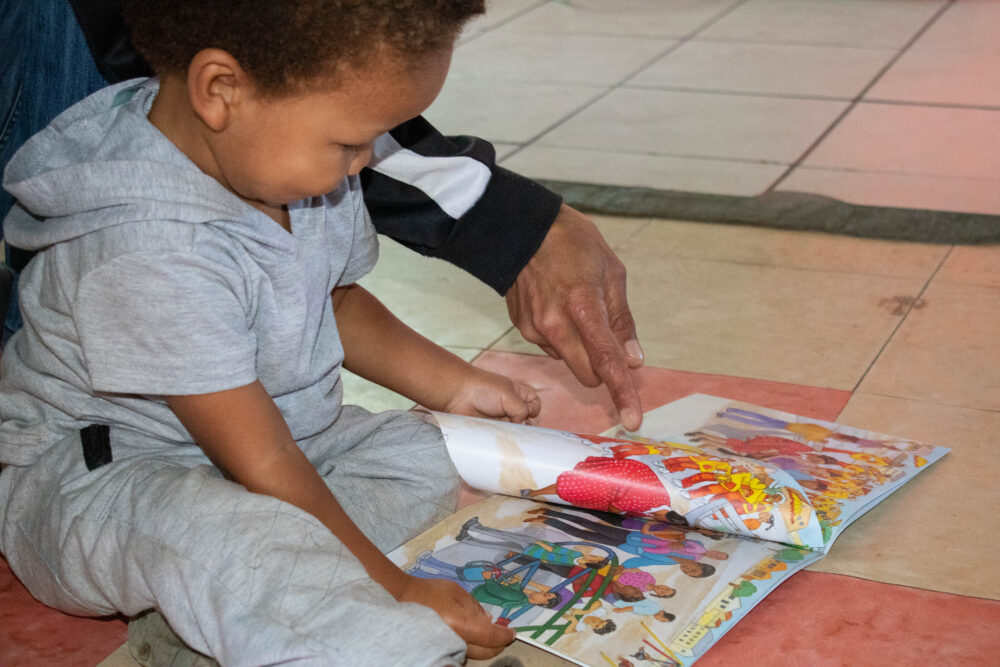
They are assisted by the Every Word Counts materials developed by the Wordworks early literacy organisation, which aim to show parents and caregivers the importance of talking, singing, telling stories and reading to children from an early age.
Working in homes and communities to support early childhood development has largely been the remit of NGOs. Organisations like Book Dash, the Mikhulu Trust and Nal’ibali are working to promote early literacy through book access and story-sharing, but their reach remains limited without government support.
Yet, as the Thrive by Five Index 2024 reveals, non-enrolled children are missing out. A sub-study of 272 such children found that 82% fell behind in early learning, with 18% experiencing stunted growth. The children need decent pre-schools or home-based interventions more than ever, yet government support lags.
Moreover, the registration of ECD centres is primarily concerned with infrastructure and child safety, rather than quality of learning. That is a separate Directorate. Fragmentation is the enemy of our young children — the most recent example being the unspent millions that were voted for the feeding of preschool children. That didn’t happen because the School Nutrition Programme and the implementing ECD agency were unable to agree.
The largest percentage of children not attending preschool is found in the poorest communities. This means that we must find ways to reach those children where they are — in their homes and communities. We also need a mind shift in how children are viewed and what constitutes good, responsive caregiving, learning and support. And that requires major campaigns, resources, funding and political will.
A path forward
Thrive by Five offers solutions: Boost funding to fix subsidy inefficiencies, train practitioners in effective, appropriate teaching methods, integrate health and nutrition services into Early Learning Programmes, support positive parenting through book access and male involvement, strengthen Grade R as a bridging year and invest in data to track non-enrolled kids.
What would happen if ECD centres received half of tertiary education’s R200bn+ budget? What if we insisted on decent wages and good qualifications for ECD practitioners and supported them with resources and play-based curricula?
Imagine the role they could play in preparing kids for literacy and numeracy — and a fulfilling life — later on? Add support for home-based literacy practices and libraries, and we could have a game-changing foundation.
At the Makhanda Playmat session, the mothers marvel at their clever children, how their bond has increased and how they see a great future for their children.
“At home, when I sometimes struggle with something, she’s the one encouraging me,” says one mother. “That’s why I say she’s intelligent.”
When you support a mother or an ECD teacher in connecting and engaging with children in loving and meaningful ways, kids become better learners and happier individuals.
Time isn’t on our side. We can fiddle while Rome burns, but we ignore the state of our young children at our peril. — Additional reporting by Rod Amner, Kabelo Mafiri, Kearabetwe Nkadimeng and Onele Rambe
The features were made possible by the Henry Nxumalo Foundation who funded the Between the Lines series
How 20 books make all the difference:
In the Masete household in Ghost Town, Makhanda, a young granddaughter, Enzokuhle, holds a baby and a book, confidently reading aloud to her siblings and cousins.
It wasn’t always like this. Reading once felt like a chore, something uncomfortable and unfamiliar.
“It was a miracle,” Nokuzola Masete recalls, summoning a video from her phone as proof of the transformation that began with a simple parcel of books dropped at their gate during the height of Covid restrictions. She watches with pride as her granddaughter turns pages effortlessly, even before starting school.
Campaign takes flight
The Lebone Centre’s “20 books in 200 homes in 2020” campaign delivered carefully curated, age-and language-appropriate books to enigmatically named communities, including Sun City, Ghost Town, Scott’s Farm, and Vergenoeg.
The campaign drew from a 2010 longitudinal study of 27 nations by Professor Mariah Evans and her colleagues, which showed that children growing up in homes with books receive three years more schooling than children from bookless homes, independent of their parents’ education, occupation and class.
The researchers discovered this was as great an advantage as having university-educated rather than unschooled parents and twice the benefit of having a professional rather than an unskilled father.
It holds equally “in rich nations and in poor; in the past and in the present; under communism, capitalism, and apartheid”, the study concluded. Homes with at least 20 books provided a “tipping point” for literacy development, with benefits increasing in proportion to the number of books.
Twenty books per household was Lebone’s initial target.
Once Covid-19 restrictions eased, Lebone staff, like home visitor Kaylynne Rushin, sanitised books and their hands before delivering packages to gates in neighbourhoods where books were scarce and literacy practices rare.
Families watched from afar, but the seeds were planted. By 2022/23, the project had deepened, focusing on 50 of the original homes with follow-ups, training and resources, sparking lasting literacy habits.
Masete describes how the centre’s advice to parents on helping children read built confidence and routine.
Reading evolved from a burden to a daily joy, with her granddaughter not only reading independently but sharing stories with others.
“After Lebone gave us the books, they didn’t just disappear. They follow up with the kids as well as the parents.”
“We’re going to cry if we lose Lebone,” she says. “It was life-changing … Other parents must not take this project like a piece of paper. They must take it seriously and intervene because it has opened our minds and our children’s minds.”
The fieldworker’s story
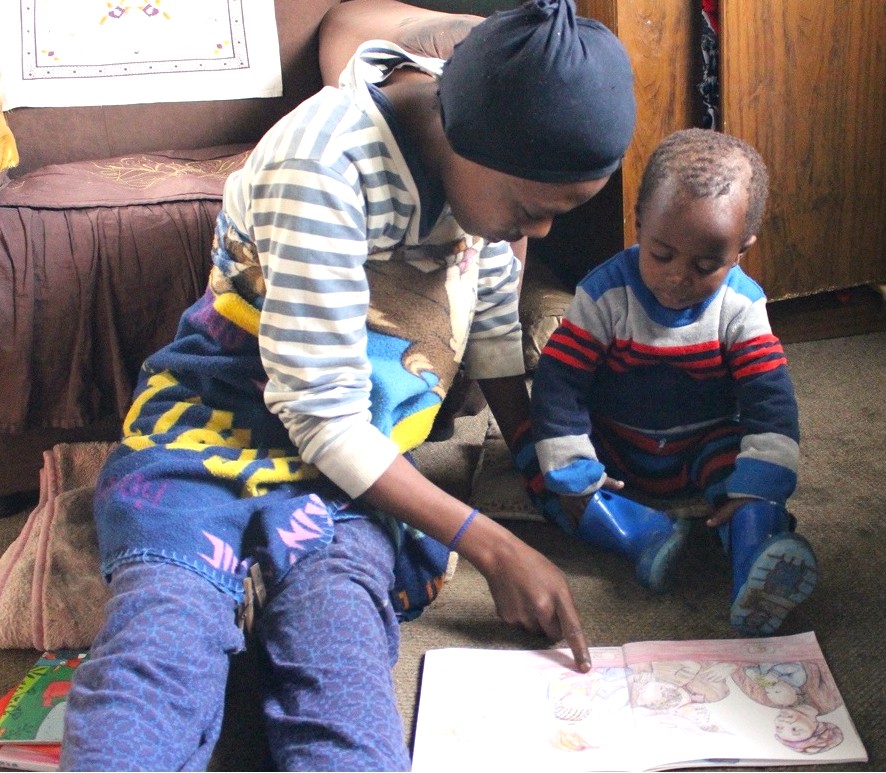
Fieldworker Rushin notes initial hurdles: parents feeling inadequate due to their own educational backgrounds, especially in informal settlements. Through patient training on book sharing, the barriers dissolved, fostering stronger relationships and increased confidence.
Rushin’s family story mirrors this: her eight-year-old daughter was “over the moon” upon receiving a package, deciding to open a home library and share books with her siblings, aged two and 10.
“I really believe that this one book package will help all my children prosper in their education, especially their reading, literacy and language skills,” Rushin says.
In another home, Katryne Maphele’s story echoes this evolution. Early attempts at teaching her children sparked fights as they resisted her efforts. Persistence paid off; now, Selunathi, Libanathi and Luminathi read daily at 5.30pm, even in her absence.
Her advice to fellow parents? “Do not be tired. You must have patience with the kids.”
The children light up as they recount tales from Lefa’s Bath and Goldilocks and the Three Bears. They discuss lessons learnt: “Do not be mean; be kind, and be clever and sweet.” They love discovering new words, studying pictures to fuel their imagination and sharing their reading adventures with others.
Building parents’ confidence
The approach shows that with the right resources and guidance, families can become powerful partners in their children’s literacy journey.
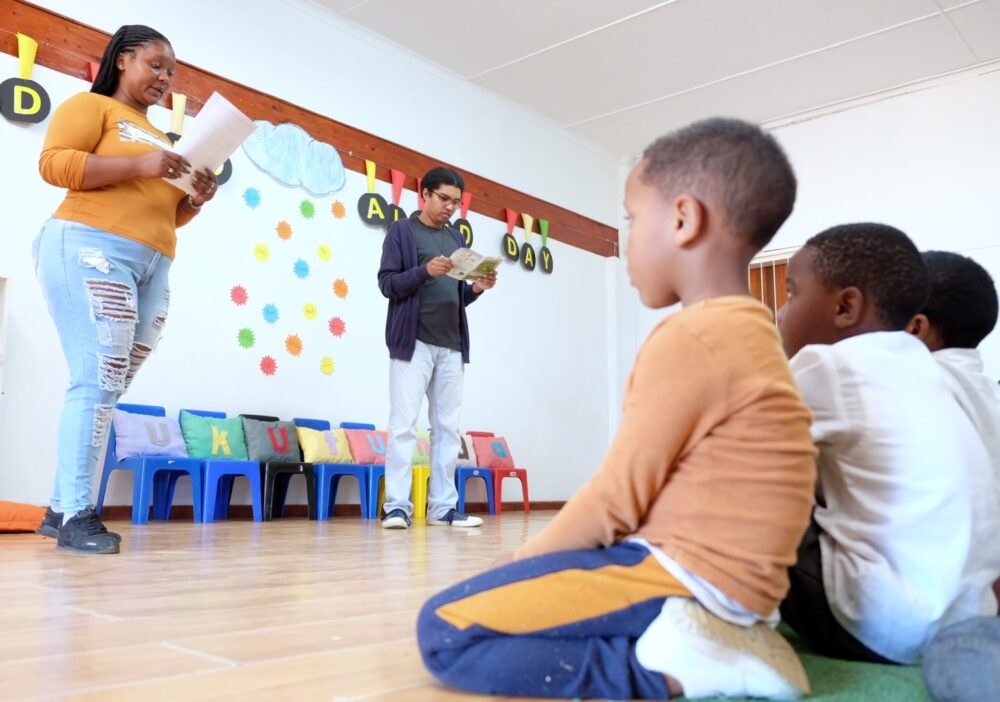
Yet Rushin reveals a common hurdle: “Some of the parents think they are not good enough to teach their children, depending on their educational background.”
This reluctance is transformed through patient intervention.
“When we come, we give them the skills, we give them training and teach them about book sharing; then they gain more confidence about sitting with their children with books.
“In some homes, especially in the more informal settlements, we needed to gain people’s trust because it’s not a good feeling for someone to admit that they can’t read or can’t write. As the time grew, I really built some good relationships in the community and earned people’s trust.”
Lebone’s fieldworkers approach their mission with patience, perseverance and unwavering commitment. They understand the transformative power of literacy in families. Books deepen family relationships and are gateways to meaning-making and world-understanding.
Pre-school literacy scaffolding
Globally, debates rage around how children learn to read (sometimes referred to as the “literacy wars”), but this detracts from the essential steps of moving children into the next phase of reading for meaning, understanding and enjoyment.
What children need in the early years of their literacy development is scaffolding — the fine network of support that surrounds the technical skills of learning to read and write: the reading and telling of stories, the singing of nursery rhymes, creating access to books, modelling reading behaviour, sparking imagination and joy, creating safe spaces and pleasurable connotations of sharing and attachment.
Much of the scaffolding needs to take place in homes and community spaces, as there is often little time, capacity or willingness to provide it in schools, especially in overcrowded classrooms with few or no reading resources.
The 2016 and 2021 PIRLS Reports reinforced this, linking higher test achievements to more home books and parental involvement, amid South Africa’s stark reality where 81% of Grade 4 pupils couldn’t read for meaning.
Reading versus literacy
Too many parents hold the misconception that literacy support begins and ends with reading, leaving Foundation Phase teachers to shoulder the burden. Yet children require the foundational support during their earliest developmental stages to arrive at the Foundation Phase prepared for learning.
“The ‘Creating Communities of Readers’ project successfully accompanied these families on a journey towards believing in the value of reading and being more knowledgeable and confident about sharing books with their young children,” said Dr Shelley O’Carroll, who evaluated the Lebone project in 2024.
“The majority of caregivers and parents were reading more, but also spending more time telling stories and playing. There was also a marked increase in time spent engaging in drawing and writing activities. It was evident that books sparked new reading habits, with many parents and caregivers inspired to read more and requesting more adult reading materials,” she wrote.
The high impact of simple, low-cost strategies
As a relatively low-cost intervention, Lebone’s home-based literacy initiative confirmed the value of simple strategies, such as providing the right resources and meeting parents where they are.
Lebone targeted poorer homes with few or no books. And yet, there was a hunger for reading resources and a willingness to participate.
Masete is proud of how reading as a daily habit joyfully enhanced her granddaughter’s early development. The shift from an uncomfortable task to a pleasurable routine demonstrates how targeted support can transform literacy cultures in families — and, eventually, wider communities.
Who’s who in home literacy in South Africa?
Other organisations that work in the home and community are:
- Nal’ibali (nalibali.org) emphasises the production of story and reading resources in all of the South African languages. Provincial teams mobilise communities, conduct caregiver training, run home visits, distribute multilingual reading materials, encourage library membership and establish reading clubs that involve families directly. All these activities create a bridge between schools, communities, and homes.
- Book Dash (bookdash.org) emphasises child book ownership for young children.
- Mikhulu Trust (mikulutrust.org) focuses on parent-child book-sharing.
- Wordworks (wordworks.org) focuses on early literacy stimulation.
- Programs like READ Educational Trust’s family literacy modules (spanning seven sessions over two years, emphasizing play), the Family Literacy Project (using REFLECT for adult literacy and child-to-child sessions in rural KwaZulu-Natal), Project Literacy’s Run Home to Read (training low-literacy parents to read storybooks), and ELRU’s Family and Community Motivators (empowering caregivers with child development guidance and home visits) demonstrate diverse approaches, often showing improved child literacy, parental confidence, and home-school bonds.
This feature was made possible by the Henry Nxumalo Foundation which funded the literacy project.
Sub-Sahara’s severe nature losses:
Sub-Saharan Africa has already lost nearly a quarter of its biodiversity since pre-industrial times, according to a major new African-led study.
The research, published on Wednesday in Nature, found that on average, populations of plants and animals across the region have declined by 24%, with some species — especially large mammals — suffering far more severe losses.
Yet the analysis also delivers a crucial insight: more than 80% of the region’s remaining wild plants and animals persist outside formally protected areas, surviving instead in largely untransformed natural forests and rangelands, where people coexist with and depend on biodiversity.
“Conserving and restoring biodiversity, while working towards just and sustainable development, requires a focus on these working lands that sustain more than 500 million people,” said the study, which represents the most comprehensive assessment to date of biodiversity intactness in sub-Saharan Africa.
Its strength lies in an unprecedented collaborative approach: over five years, a team of 200 Africa-based experts – including researchers, field ecologists, rangers, tour guides and museum curators – pooled their ecological knowledge to build a continent-wide picture of biodiversity change.
“Many global biodiversity assessments do not represent African conditions well because they rely on sparse local measurements and draw insights from more data-rich regions of the world, where contexts are very different,” said the study’s lead author, Hayley Clements from Stellenbosch University’s Centre for Sustainability Transitions (CST).
By working directly with the people who study and manage African ecosystems, “we were able to capture a much more realistic picture of where biodiversity is declining, where it is being sustained, and why.”

Filling a long-standing gap
The contributors independently estimated how human pressures – from croplands and livestock grazing to urbanisation – have affected species in different ecosystems, before refining these estimates through facilitated discussions.
Their assessments underpin a new continent-wide Biodiversity Intactness Index (BII), which measures the percentage of original species abundances that remain compared with pre-industrial levels.
African countries often lack fine-scale biodiversity data for policy and planning, while global models frequently mischaracterise regional patterns. For the first time, governments and regional bodies have access to an indicator built on in-country ecological expertise.
The study shows striking variation across regions, ecosystems and species groups. Disturbance-tolerant plant species have declined by as little as 10% but large mammals — including elephants, lions and several antelope species — have lost more than 75% of their historical abundance.
This is driven mainly by habitat loss to croplands, unsustainable harvesting and intensive grazing.
Central Africa retains some of the continent’s highest intactness levels thanks to the survival of humid forests. In contrast, West Africa shows some of the lowest, owing to widespread forest and savanna degradation linked to agricultural expansion and over-harvesting.
Rwanda and Nigeria have the lowest biodiversity intactness (<55%), while Namibia and Botswana rank highest (>85%). Losses are driven by cropland expansion in grasslands and fynbos, by non-agricultural degradation in forests, and by a combination of both in savannas.
Across the region, more than four-fifths of remaining wild species live in working landscapes that provide essential ecosystem services – clean water, pollination, grazing resources, wild foods, building materials and carbon storage – but are under increasing pressure.
This shifts where and how biodiversity conservation on the continent is approached. Despite being a major global conservation strategy, strictly protected areas sustain less than 10% of the remaining indigenous plants and animals of the region because of their limited extent.
“Protected areas are particularly important for large mammals, which are especially vulnerable to human impacts,” Clements said. “Megafauna have BII levels half those of other species groups and are largely absent outside protected areas.”
However, countries like Namibia and Botswana show that large-mammal conservation can be successfully integrated into broader land governance systems through models such as community conservancies and wildlife economies that empowering local people as the custodians of biodiversity, she said.
Alone, protected areas are insufficient, Clements pointed out. “Sustainable management of shared working landscapes is key to maintaining biodiversity and supporting livelihoods.”
Existing models – such as community-led wildlife conservancies, sustainable pastoralism and biodiversity-positive farming – already show how this balance can be achieved, she said.
Agriculture and the path forward
The analysis identified cropland expansion as the greatest threat to biodiversity across sub-Saharan Africa. Intensive, high-yield agriculture reduces habitat diversity and increases chemical inputs, with significant impacts on a wide range of species.
In contrast, traditional smallholder systems tend to maintain more ecological complexity and support higher levels of biodiversity.
Countries with the most cropland—Nigeria and Rwanda—also show the lowest biodiversity intactness. This contradicts global models that suggest these heavily farmed landscapes remain more than 90% intact, with “serious potential implications for national and regional policy”.
“We found that biodiversity intactness of the high-yielding intensive croplands in this region—most of which lie in the grasslands—is notably less than its least-intensive, smallholder croplands that are more common in the savannas,” the study said.
These trends have stark implications given that cropland is projected to double and cereal demand to triple in sub-Saharan Africa by 2050, the authors said.
They noted that this increase will likely entail significant changes to current agricultural practices in a region where 75% of the cropland comprises smallholder farming, which have some of the lowest crop yields in the world.
These findings underscore the need to limit the impacts of intensive commercial agriculture while strengthening biodiversity-friendly aspects of smallholder and agroecological farming systems promoted under global sustainability frameworks.
A new policy tool for African decision-makers
The assessment provides African governments with a long-needed evidence base for national biodiversity planning, land-use decisions and global reporting. Its expert-driven method could also be applied to other regions to capture local complexities that global assessments often miss, the authors said.
“This study showcases the depth of ecological expertise across Africa,” said Oonsie Biggs, the co-director of the CST and a co-author of the study. “By grounding biodiversity measurement in local expertise, we now have a more credible evidence base to support development strategies that sustain both nature and people.”
By combining local ecological knowledge with spatial data, the authors said their study provides a tool showing not only where biodiversity is at risk, but also where it is being sustained, offering practical guidance for policies that support both ecosystems and human well-being.
Submit and get free exposure here: Showcase Your Business | Advertise Your Special Offers.