
SA Guide Dog Association for the Blind wants to sue Uber for R10 million over alleged discrimination: The association claims that Uber has not take action regarding some of its drivers refusing to allow guide dogs in their vehicles
Revitalising communities through urban green zones – the key principles of transformation:
Collaborative efforts enhance sustainability, impact and long-term viability, fostering a sense of collective responsibility and investment in community development
In South Africa, urban green spaces are essential catalysts for social cohesion and economic development. Inspired by successful initiatives like Heineken® ‘s Green Zones and supported by organisations like Greenpop, design principles guide the creation of vibrant, inclusive and sustainable community spaces.
“In South Africa, urban green spaces are not just amenities; they are vital catalysts for social cohesion and economic development,” says Bhavna Mistry, Senior Brand Manager at Heineken®. She added “We have experienced first-hand the need for green spaces as well as the opportunities these spaces present. Filled with indigenous plants and useful structures, these green lungs provide valuable, inspiring meeting spaces for community members.”
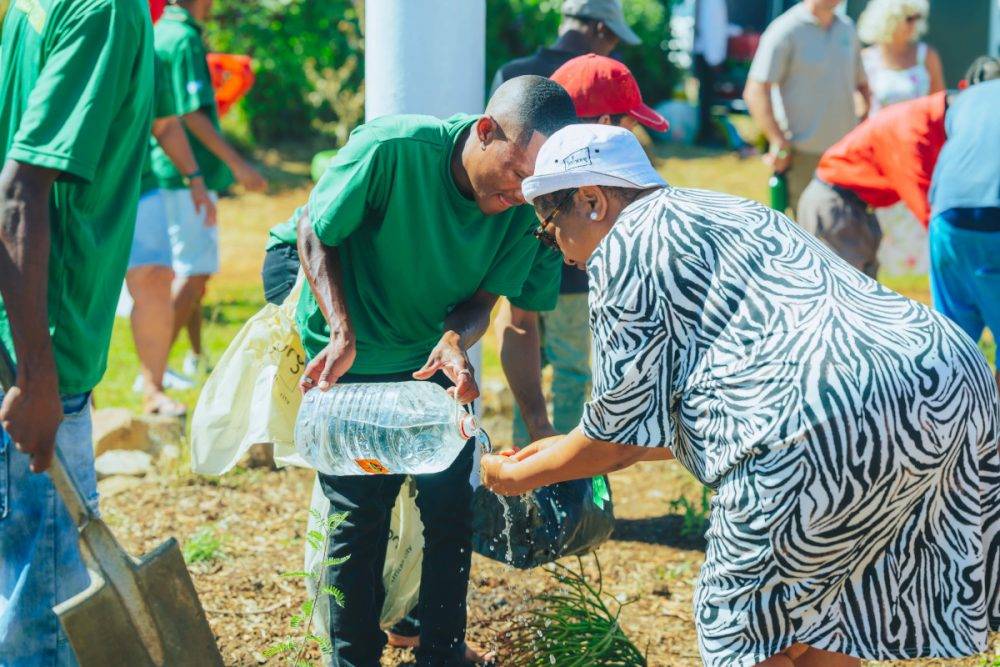
Chris Nash is Urban Greening Project Manager for Greenpop, the project partner for the Heineken® Green Zones. Green Pop has planted a quarter of a million trees and greened hundreds of urban spaces. Nash emphasises that green spaces need to be created to match the needs and expectations of the communities. He emphasises: “Collaboration is the cornerstone of effective community development. By working together, we can create spaces that truly reflect the needs and aspirations of the people they serve in underdeveloped communities.”
Partnerships and collaboration: Collaboration is essential for creating sustainable urban green spaces. Forge partnerships with local government agencies, NGOs, businesses and community organisations to leverage resources, expertise and networks. Together, collaborative efforts can enhance sustainability, impact, and long-term viability, fostering a sense of collective responsibility and investment in community development.
Community engagement and ownership: Involve residents in the design process to ensure the space reflects their needs and aspirations. Empower them to take ownership of the green space through participatory decision-making and ongoing involvement in maintenance.
Multi-functionality: Design green spaces that serve multiple purposes, such as community gardens that provide fresh produce, recreational areas for sports and leisure, and gathering spaces for meetings, events and socialising. This maximises utility and ensures the space remains relevant to the community’s diverse needs.
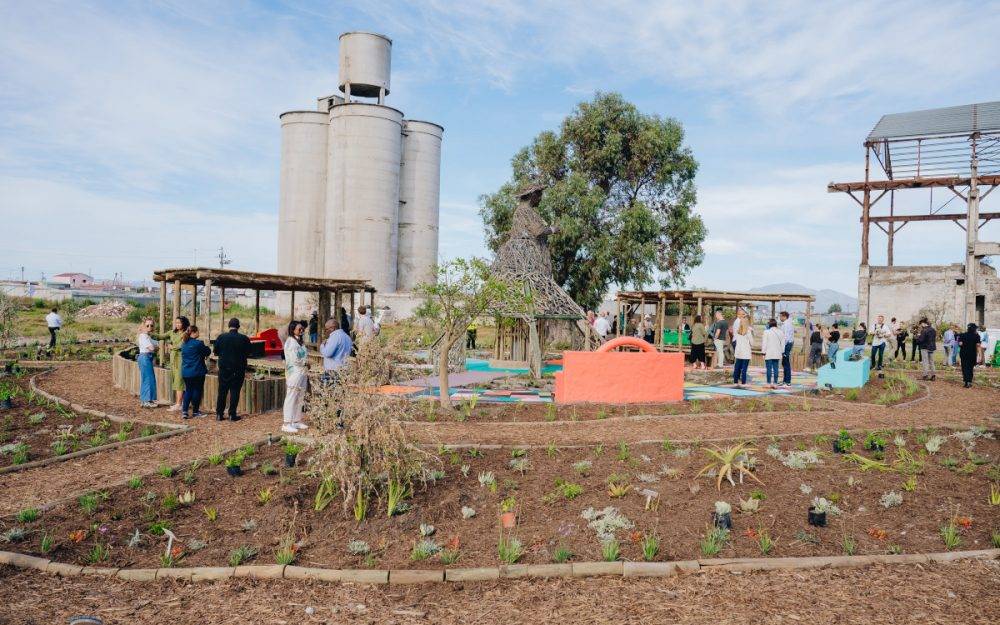
Accessibility and inclusivity: Ensure that the green space is accessible to all members of the community, including people with disabilities. Incorporate universal design principles to accommodate various age groups, abilities and cultural backgrounds. Additionally, prioritise locations in the heart of residential areas to encourage usage by the neighbourhood and local residents.
Sustainability and resilience: Implement eco-friendly design elements such as rainwater harvesting, indigenous plantings, and renewable energy sources to minimise environmental impact and enhance resilience to climate change. Foster a sense of environmental stewardship by integrating educational components that promote sustainability practices.
Art and cultural expression: Integrate public art installations and cultural elements that celebrate the community’s heritage and identity. Artistic interventions can beautify the space, stimulate creativity, and foster a sense of pride and belonging among residents. Additionally, incorporate drought-tolerant plants and species with local traditional uses, such as a medicinal garden, to not only conserve water but also reconnect residents with indigenous knowledge and practices, promoting cultural preservation and environmental sustainability.
Safety and security: Design green spaces with safety in mind, incorporating lighting and visibility to create a welcoming environment that discourages crime and antisocial behaviour. Collaborate with local authorities and community organisations to implement ongoing safety initiatives and programming.
By adhering to these principles, urban green spaces in neglected communities in South Africa can become vibrant hubs of activity, connection, and empowerment, catalysing positive social, economic and environmental change for residents.
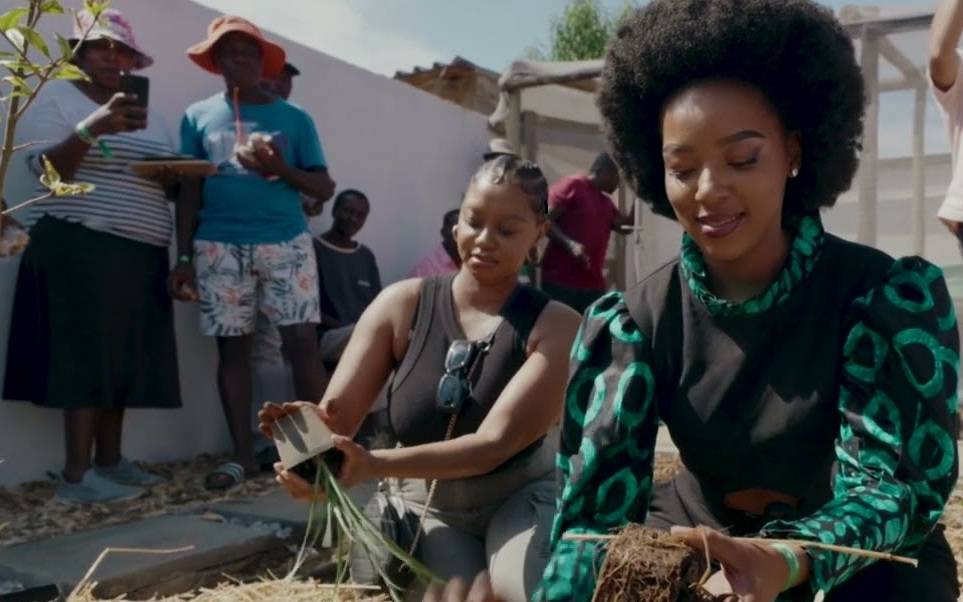
About Heineken® Green Zones
The Heineken® Green Zones Project aims to support under-resourced communities’ sustainable development by establishing accessible and inclusive urban green spaces across major South African cities. Phase 1 of the Heineken Green Zones project in 2024 will see 5 Green Zones being built in Cape Town, Johannesburg, Pretoria and Durban. Each Green Zone is designed to meet local community needs and includes indigenous gardens, grassy lawns, art by local artists, and complementary infrastructure to make these spaces functional, welcoming, and beautiful.
What is Greenpop?
The Greenpop Foundation NPC is an award-winning registered non-profit organisation (NPO#: 151-411 NPO; PBO#: 930050622) headquartered in Cape Town, South Africa. We work to restore ecosystems and empower environmental stewards through forest restoration, urban greening and environmental awareness projects across Sub-Saharan Africa. Greenpop was founded in 2010 and has since planted over 230 000 trees, greened over 400 urban spaces, and inspired over 350 000 active citizens across South Africa, Zambia, Malawi and Tanzania.
Former Springbok captain Adriaan Strauss receives MBA at NWU, with distinction:
Former Springbok captain and firebrand Cheetahs and Bulls hooker, Adriaan Strauss, graduated with honours from North-West University (NWU) with a Master of Business Administration (MBA) on Thursday, 25 April.
The graduation ceremony was held on the NWU’s Potchefstroom Campus.
In 2022, Strauss enrolled for his MBA at the NWU’s Business School, and two years later, he added another qualification to his CV.
Strauss says he wouldn’t trade his journey into the world of academia for anything, but he doesn’t mince words about the demands of this internationally accredited course.
“It has been a wonderful experience; I have loved every moment and I have improved so much. It’s the best thing I could have done. I would advise anyone to do an MBA at the NWU. However, it requires a great deal of dedication and work. My advice is to take in everything that is offered during the two years of the course. But you must be prepared and know what to expect.”
On the rugby field, he was known for his exceptional leadership and performance, and the latter proved to be a valuable arrow in his academic quiver.
“There is a huge difference between sitting behind the books and being on the field. As a professional rugby player you have to train every day and you have to constantly work on your physical conditioning. I think that work ethic has helped me with my studies. Then there is the matter of competitiveness. During my MBA I competed with myself every day and made sure that every assignment I submitted was a reflection of my best work. The workload is considerable and there is a lot of pressure, but I was determined not to deliver substandard work.”
It is an attitude that has paid off for him. He’s going to savour that distinction for a long time to come.
“It’s quite nice. My goal was simply to pass, so to pass with distinction was a surprise,” he says.
Now he is even better equipped to match or even surpass his success on the field in the business world.
“The course is very relevant, and I have already applied it with great success. You learn not only book knowledge, but also how to work together in a group and how to improve your time management. It has changed the way I think and taught me how to solve problems.
“Then I have to say that the quality of the administrative staff at the university made it easy for me, and the professors were fascinating. The North-West University is an incredible institution, and what makes this qualification even more special is that it is internationally accredited.”
The final destination was reached, but for Strauss it was by no means a solitary journey.
“I couldn’t have done it without my wife, Carmen. We have three children, the youngest of whom was about seven months old when I commenced my studies, so [my wife] had a lot on her plate. I want to thank all my family for their support. There were a few family gatherings that I was unable to attend due to class on a Saturday, but they understood. I would also like to single out Prof Hein Prinsloo, my supervisor. He provided me with invaluable guidance and support.”
Please click here to watch the video.
Submit and get free exposure here: Showcase Your Business | Advertise Your Special Offers.
