
Unions threaten legal action over jobs at Durban port:
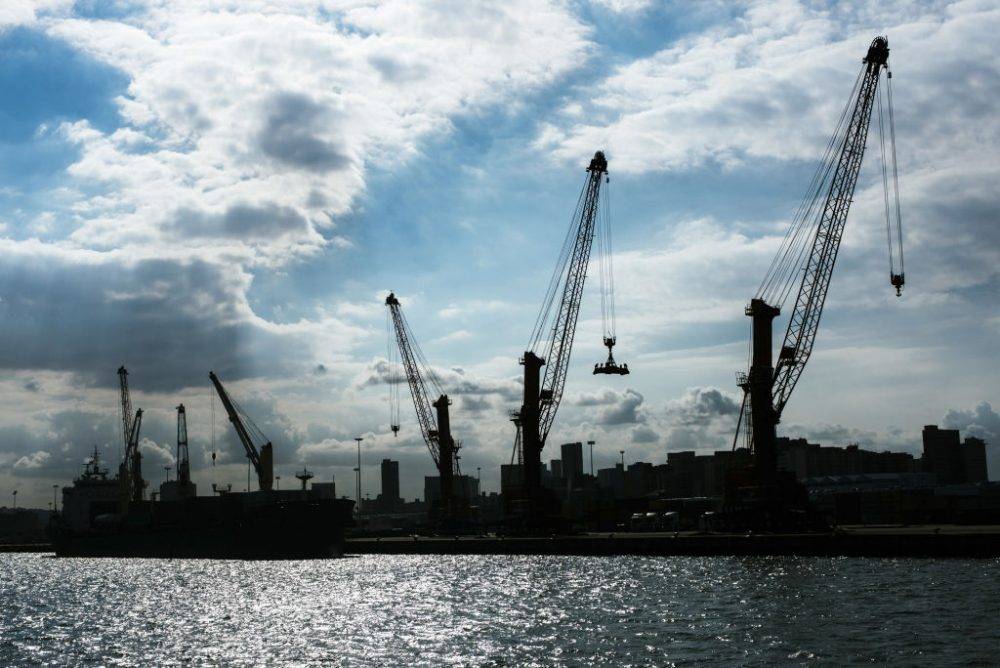
Dock workers are demanding transparency over Transnet’s partnership with the Filipino container company and an assurance there will be no retrenchments
Health cost of climate change will climb to .5 trillion by 2050:
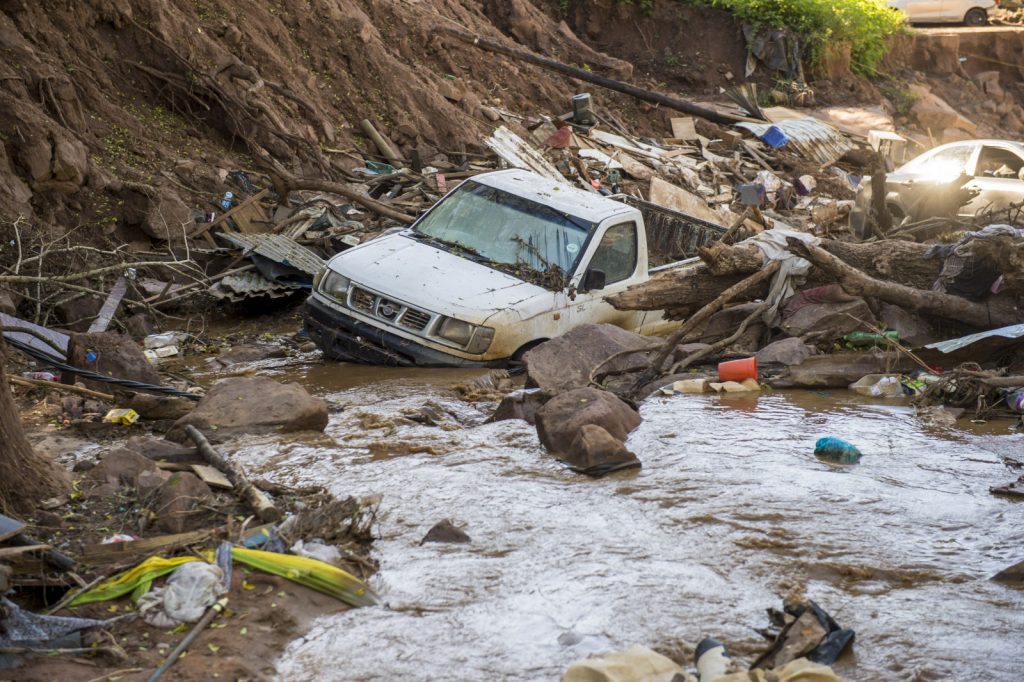
By 2050, climate change will probably cause an additional 14.5 million deaths and $ 12.5 trillion in health-related economic losses worldwide, according to a new report out of the World Economic Forum.
The report, released on the second day of the forum’s annual meetings in Davos, endeavours to quantify the consequences of climate change — in terms of both the health outcomes and the economic costs to the healthcare system. To do so, the report’s authors analysed six major climate event categories as important drivers of negative health outcomes: floods, droughts, heatwaves, tropical storms, wildfires and rising sea levels.
According to the report, floods were found to pose the highest acute risk of climate-induced mortality, accounting for a projected 8.5 million deaths by 2050.
South Africans are familiar with just how destructive extreme weather events can be. Over the weekend, KwaZulu-Natal was hit by another bout of flooding, killing 11 people and ravaging infrastructure.
In 2022, the province was hit by the most catastrophic floods on record, which led to 459 fatalities. More than 4 000 homes were destroyed and the estimated infrastructure and business losses reached $ 2 billion.
Tuesday’s World Economic Forum report notes that climate change will also have more indirect effects on health, triggering “a catastrophic rise” across several climate-sensitive diseases.
It says by 2050, an additional 500 million people may be at risk of exposure to vector-borne diseases such as malaria, dengue fever and Zika. This is as warmer temperatures increase both the breeding period and geographical range of mosquito colonies, causing these diseases to spread to Europe and the United States.
Climate change also stands to widen the regional socio-economic divides, with Africa and southern Asia being at a higher risk of negative health outcomes.
The report says Africa will bear the brunt of climate change-related health losses, sustaining a staggering 1.29 billion disability-adjusted life years (a measure of the years of life lost to premature mortality associated to a specific cause as well as the years of healthy life lost to disability or reduced health) by 2050.
The continent will also incur an economic cost of more than $ 2 trillion from lost productivity and healthcare costs.
At least 15 wild animals killed in collisions with vehicles in Kruger, says Creecy:
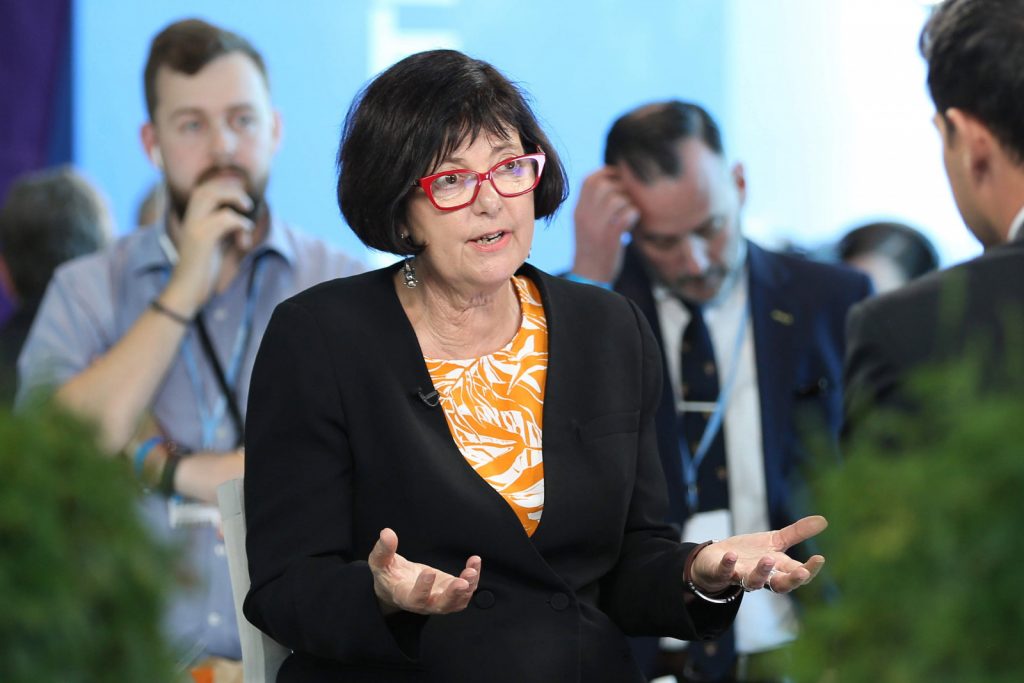
Fifteen animals, including a lion and several hyenas, have been killed by vehicles on roads inside the Kruger National Park since 2020, according to Forestry, Fisheries and Environment Minister Barbara Creecy.
Roadkill figures provided by the minister for the Kruger showed that in 2020, a bateleur and a zebra were killed on the park’s roads and, in 2021, three impala, a lion and a zebra. In 2022, two brown hyena and an impala were killed and, in 2023, a brown hyena, an impala, a kudu, a spotted hyena and a steenbok were recorded as roadkill.
Creecy was responding to parliamentary questions posed by Tamarin Breedt of the Freedom Front Plus last month. Breedt had asked the minister about vehicles speeding and resulting in associated animal mortalities in the Kruger, including unethical behaviour by visitors and overcrowding at animal sightings; and what the total number and kind of species killed by vehicles was from 2020.
She also inquired whether any regulations had been proposed or implemented to control unethical behaviour by visitors to the Kruger National Park and to limit overcrowding at animal sightings.
“The number of animals killed on Kruger National Park roads is difficult to quantify accurately as most carcasses, especially those of smaller animals and birds, are scavenged quickly and disappear by the time the local ranger passes on the road,” said Creecy in her written response.
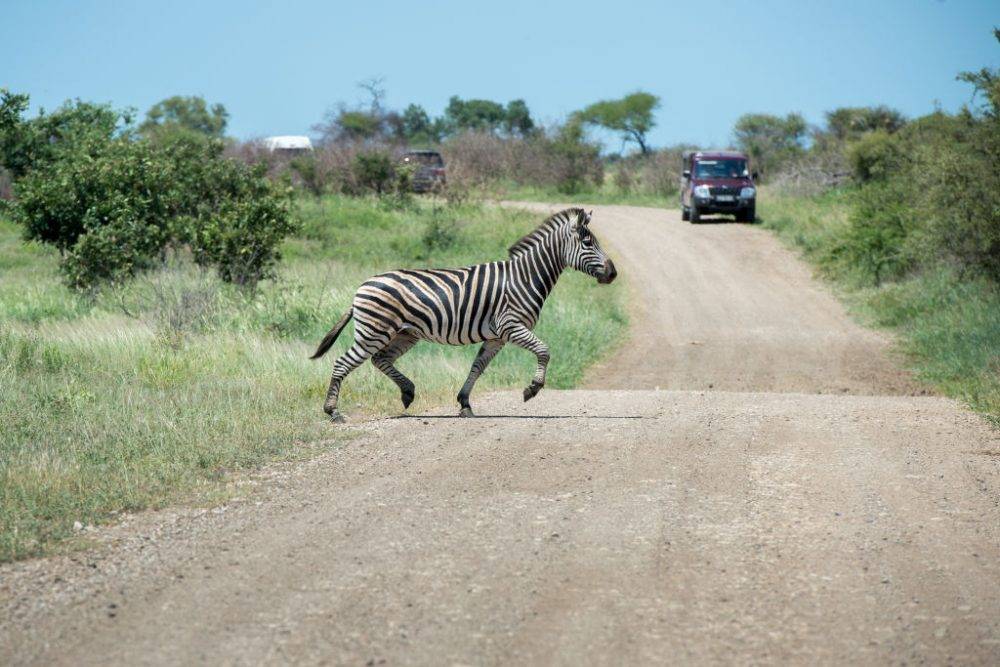
She said all visitors to the Kruger are given a copy of the park rules upon their entry in their permit. The national park has 10 traffic officers to manage visitor behaviour on the 2 775km of tourist roads, the minister said.
Additional interventions include regular communication campaigns on the results of speeding in the park. “This campaign includes information and awareness about the park rules and the consequences for breaking the rules. The communication campaign is also conducted through the … SANParks social media sites to reach a wider audience.”
Road signage has been redesigned to make it more visible while research has been done to identify the most effective road signs and high-risk points in the park. There is continuous speed monitoring using “hotspot” camera trapping by the park’s traffic officials.
“Speed-governing devices have been installed in almost 90% of official vehicles where fleet vehicles have a speed limit of 60 km/h,” the minister said. “The only exceptions are emergency vehicles and some official ranger vehicles.”
Two processes have been launched to address the “escalating problem” of overgrown road verges. The first clearing programme is through the SANParks Honorary Rangers, and the second is through a job fund application, which has made it through to the final round of consideration. But Creecy said that bush thickening on road verges will need more money to implement.
“The KNP’s management recognises unethical behaviour, speeding and roadkill as a serious matter and will continue to give it the fullest attention,” Creecy said.
“Visitation to the Kruger National Park has grown exponentially over the years. The increased pressure on facilities and congestion on roads necessitated Kruger National Park management to implement gate quotas,” she said, adding that these vary at each entrance gate and are usually only reached on long weekends or during school holidays.
Submit and get free exposure here: Showcase Your Business | Advertise Your Special Offers.
